Skip to content

Cart

Your cart is empty

Men's Derby Shoes

Goodyear-welted Derbys with open lacing and more room over the instep.

Sort by

7 products

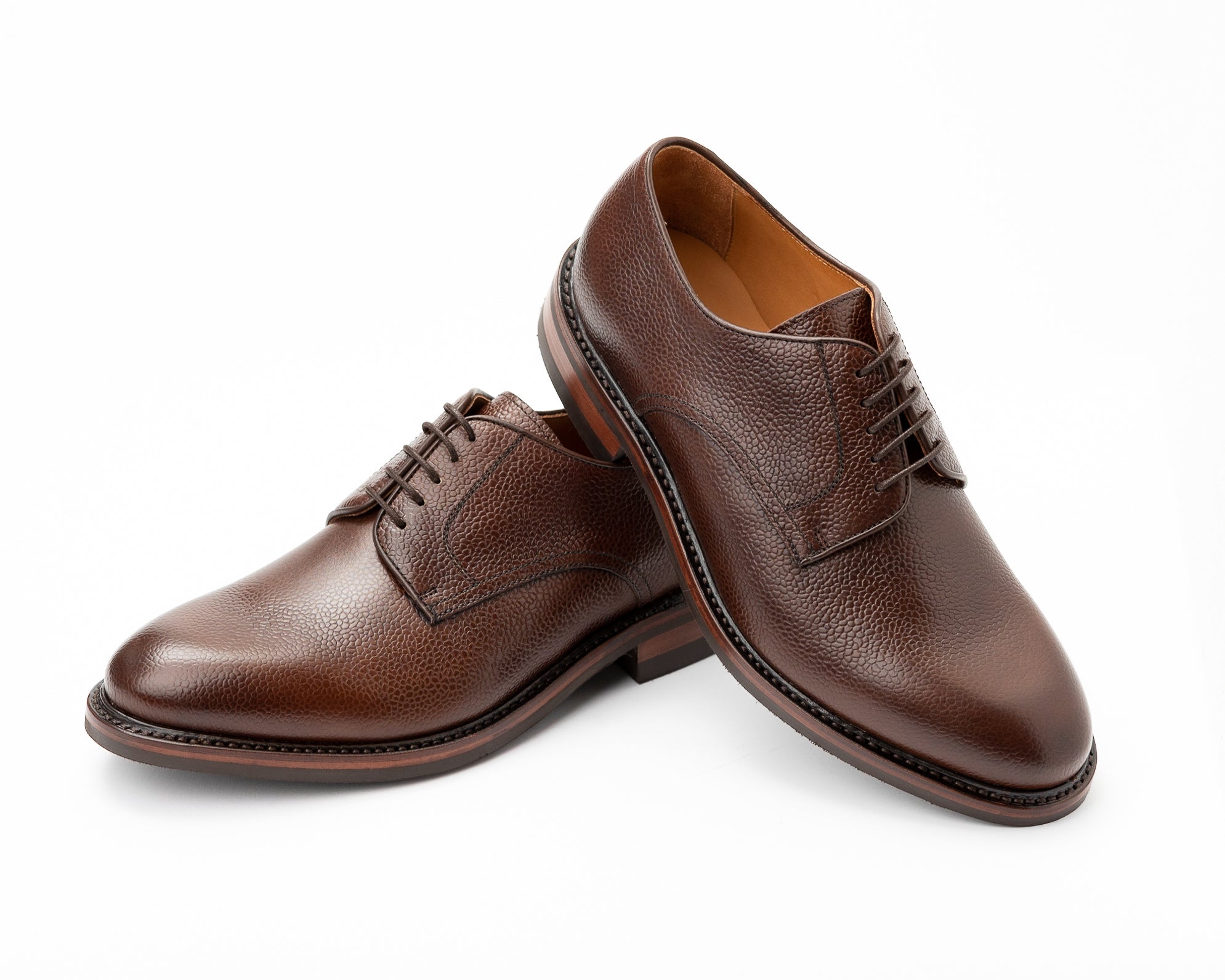
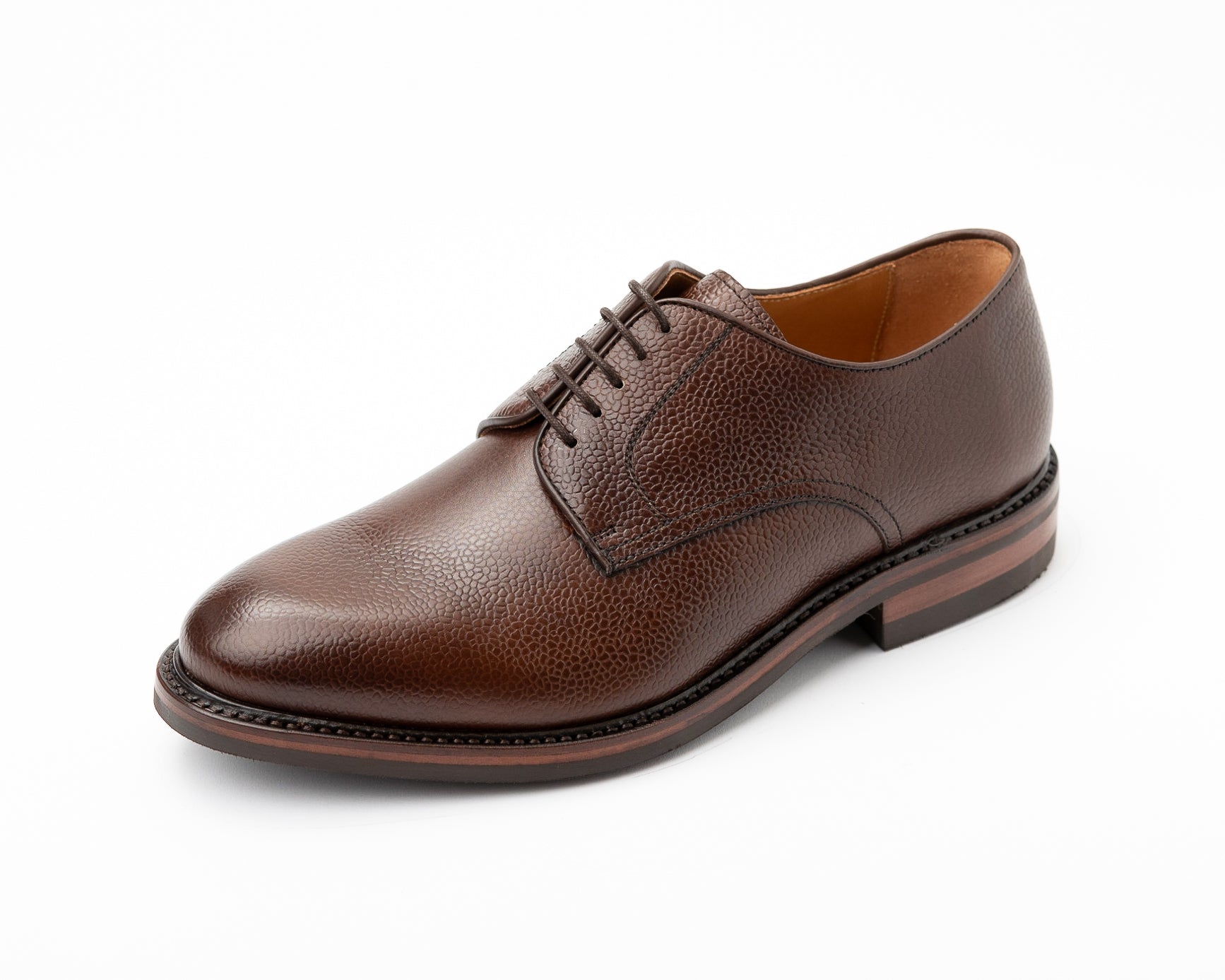
−20% with code CROCKETMen's Derby shoe in chestnut brown with Norwegian stitching, pair viewed at an angle from aboveMen's Derby shoe in chestnut brown with Norwegian stitching, side view
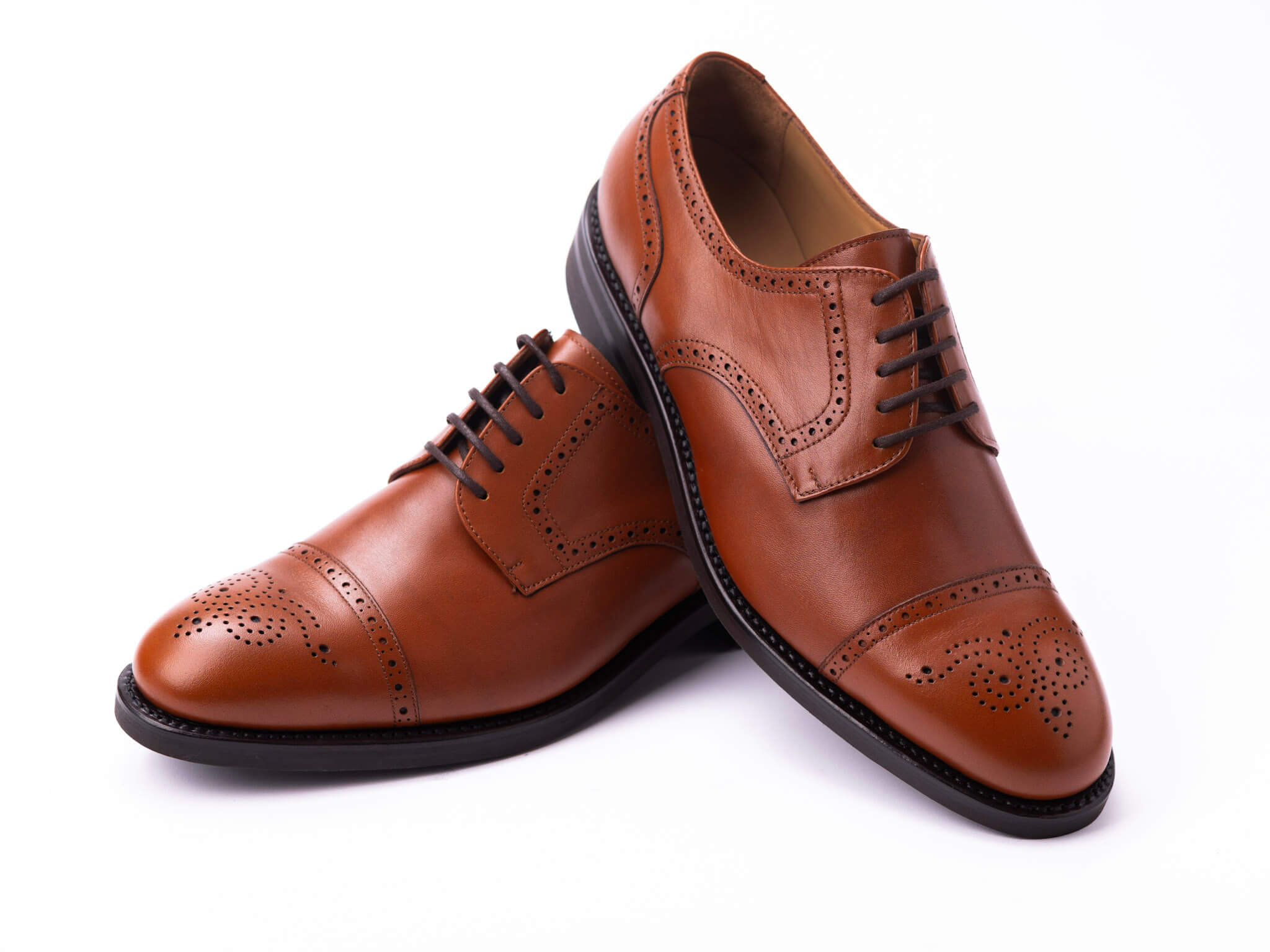
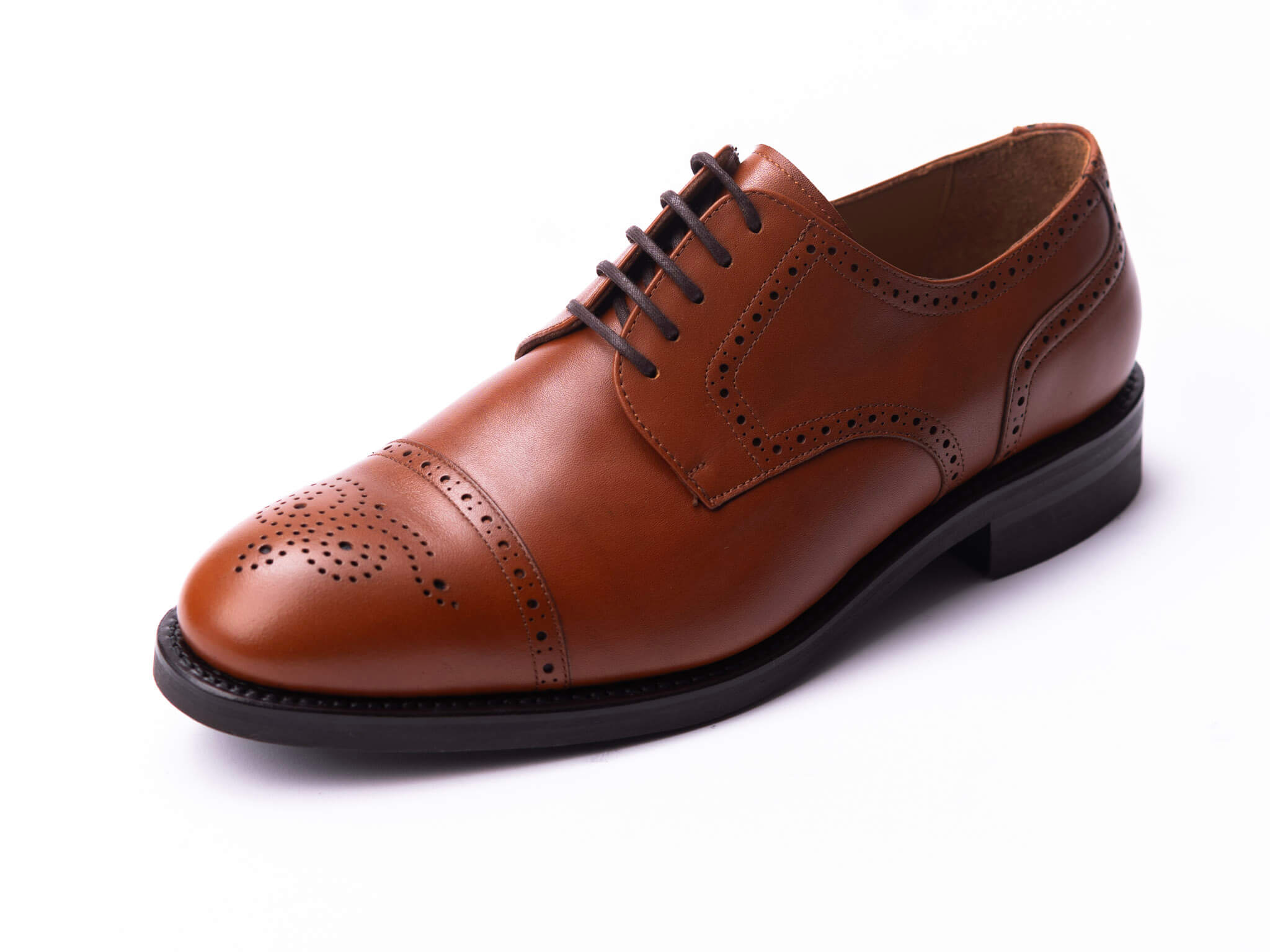
Men's Semi Brogue Derby shoe in dark brown, front viewMen's Semi Brogue Derby shoe in dark brown, front view
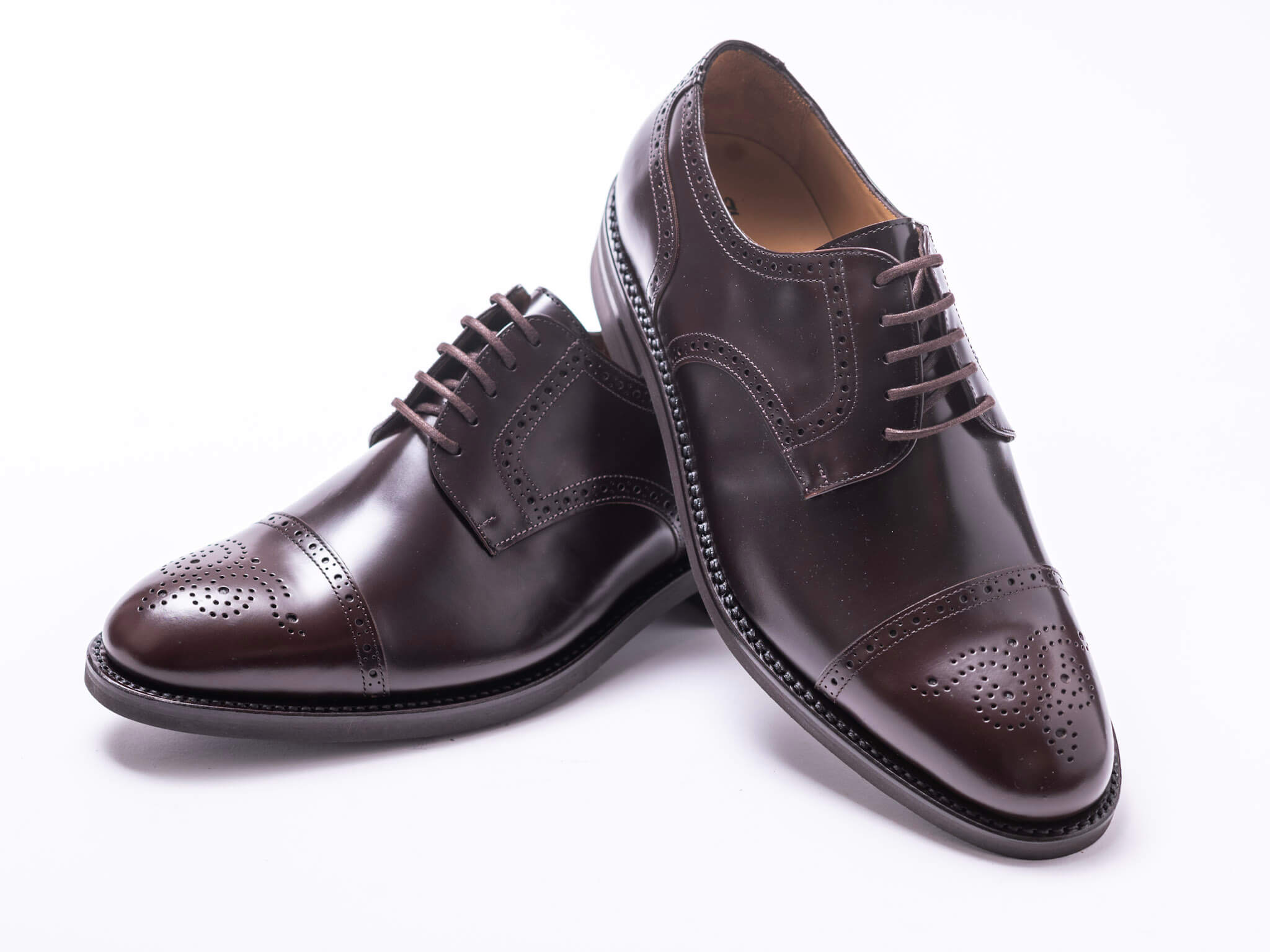
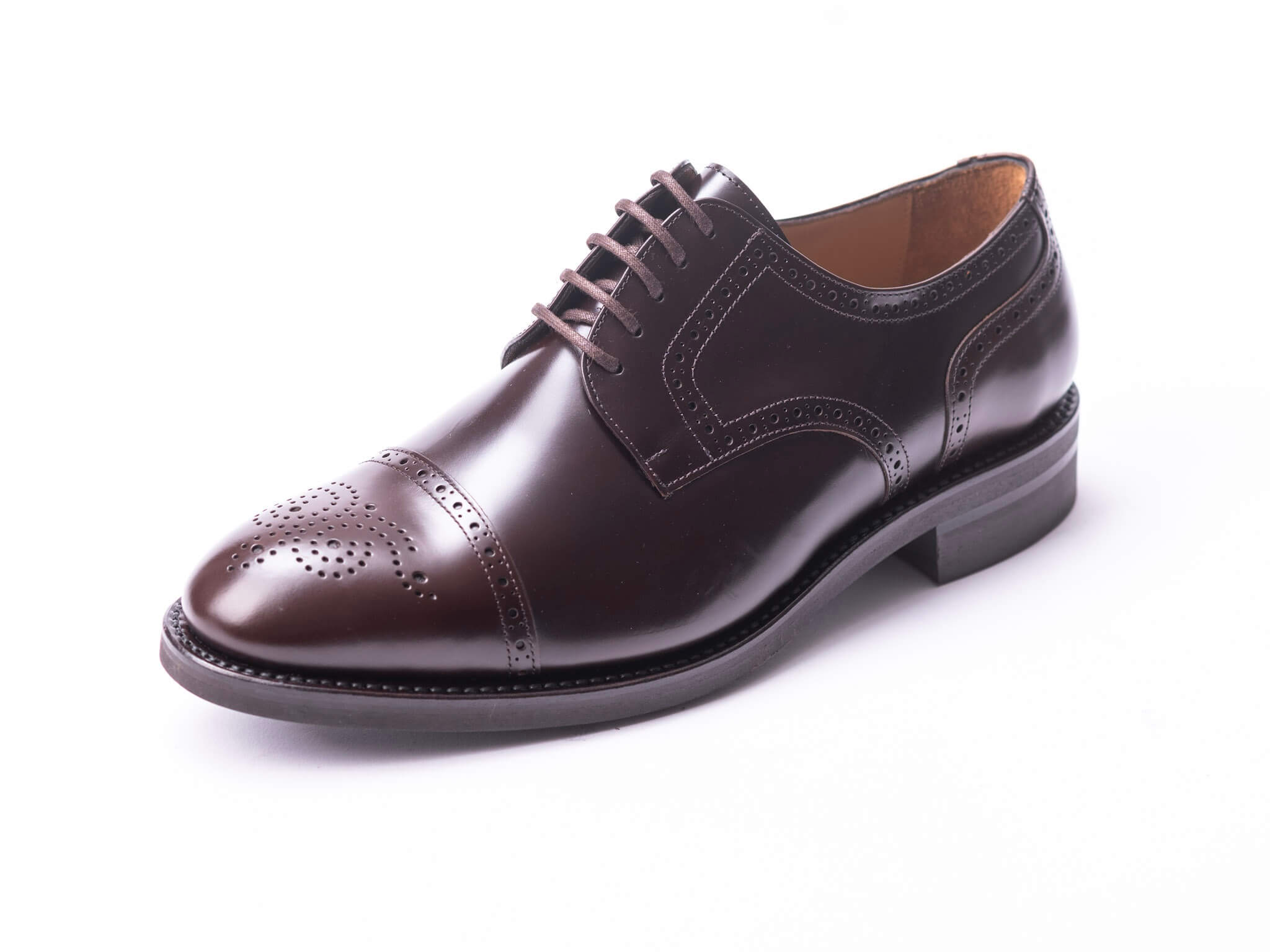
Men's Semi Brogue Derby shoe in Chocolate, front viewMen's Semi Brogue Derby shoe in Chocolate, front view
Men's Semi Brogue Derby Shoe in Chocolate with Vibram Sole Sale price174 € Regular price289 €
Men's Derby shoe in dark brown, front viewMen's Derby shoe in dark brown, front view
Men's Plain Derby Shoe in Dark Brown with Dainite Sole Sale price174 € Regular price289 €
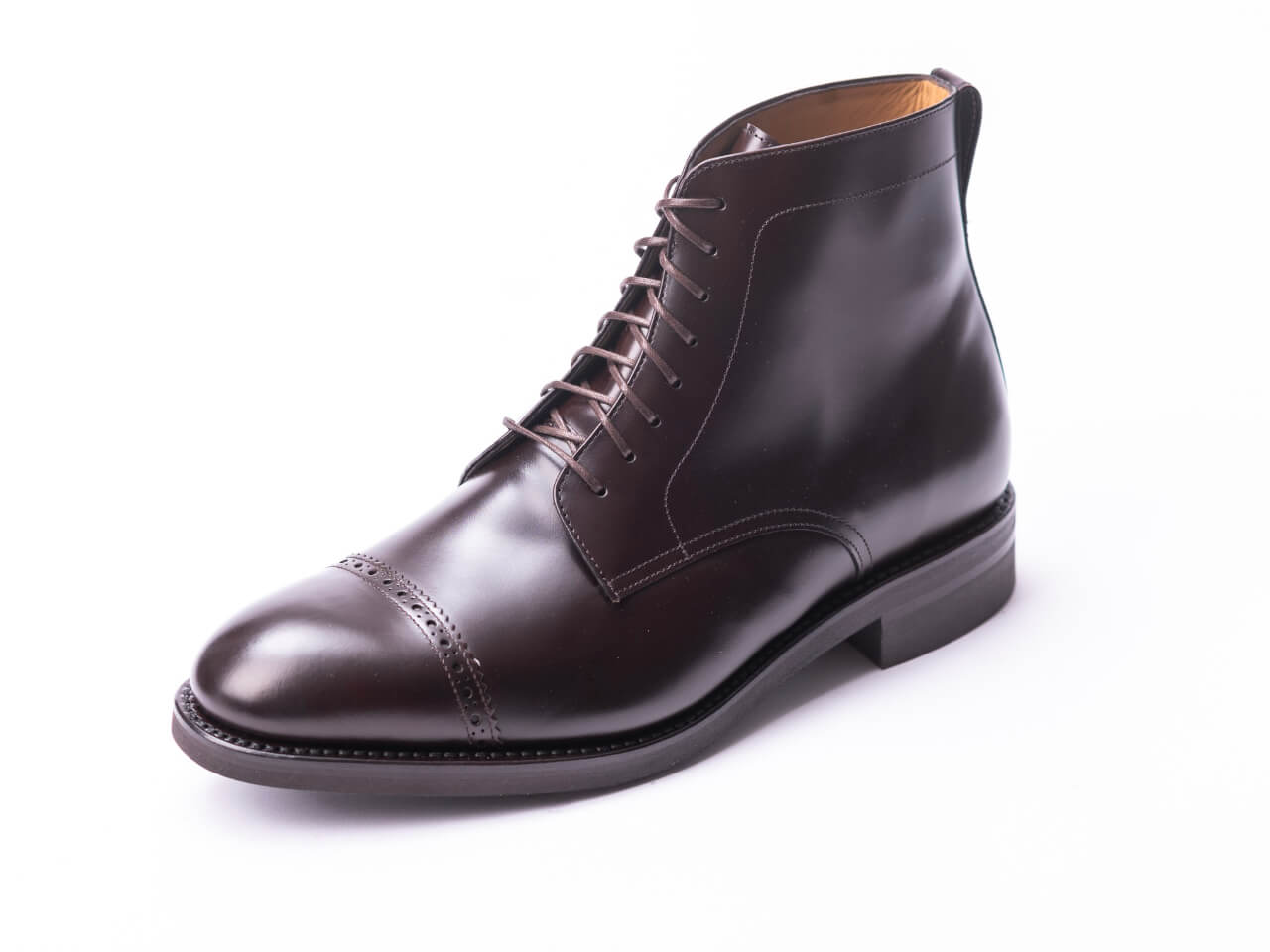
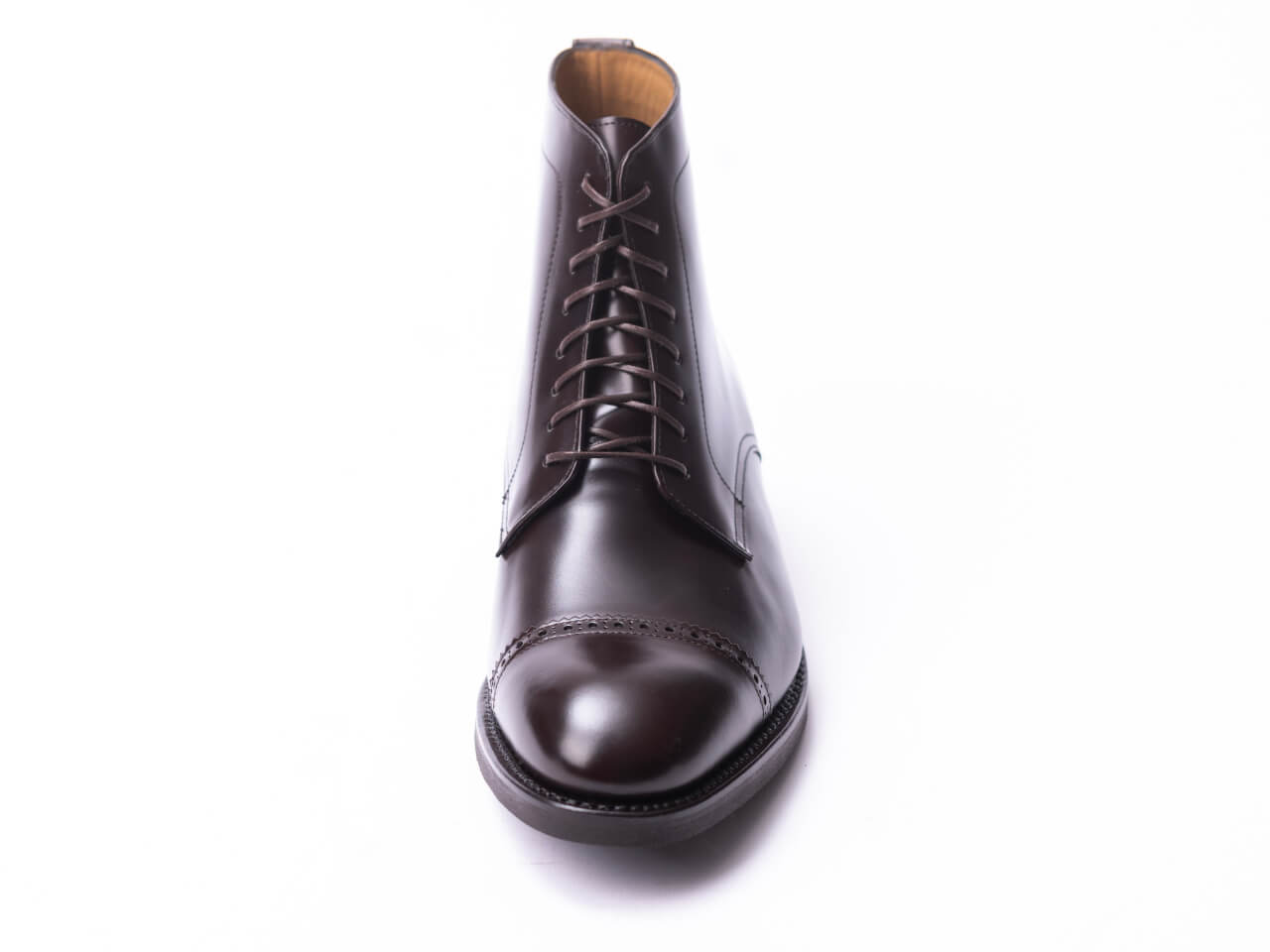
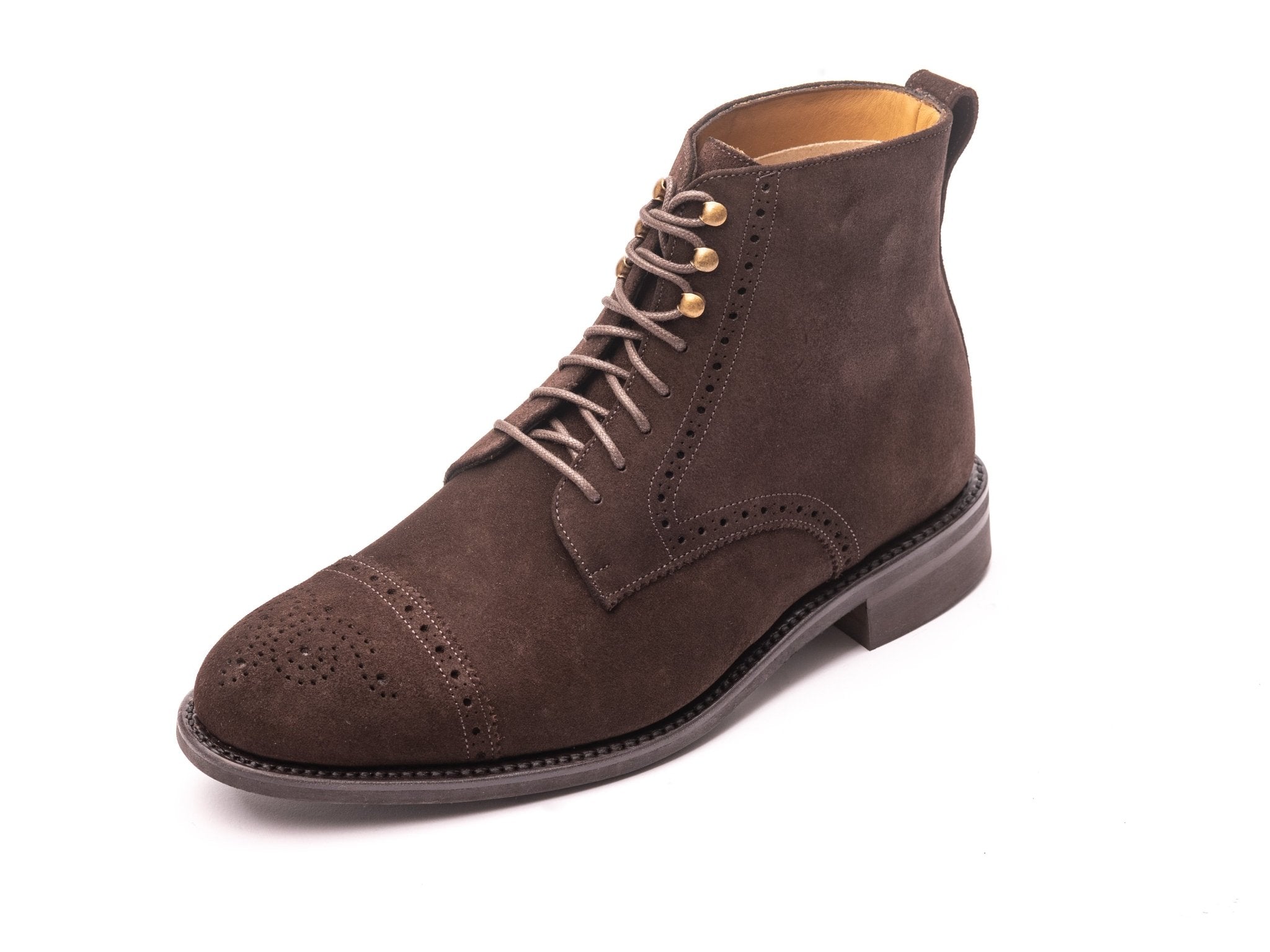
−20% with code CROCKETMen's Punched Derby boots in dark brown, front viewMen's Punched Derby boots in dark brown, front view
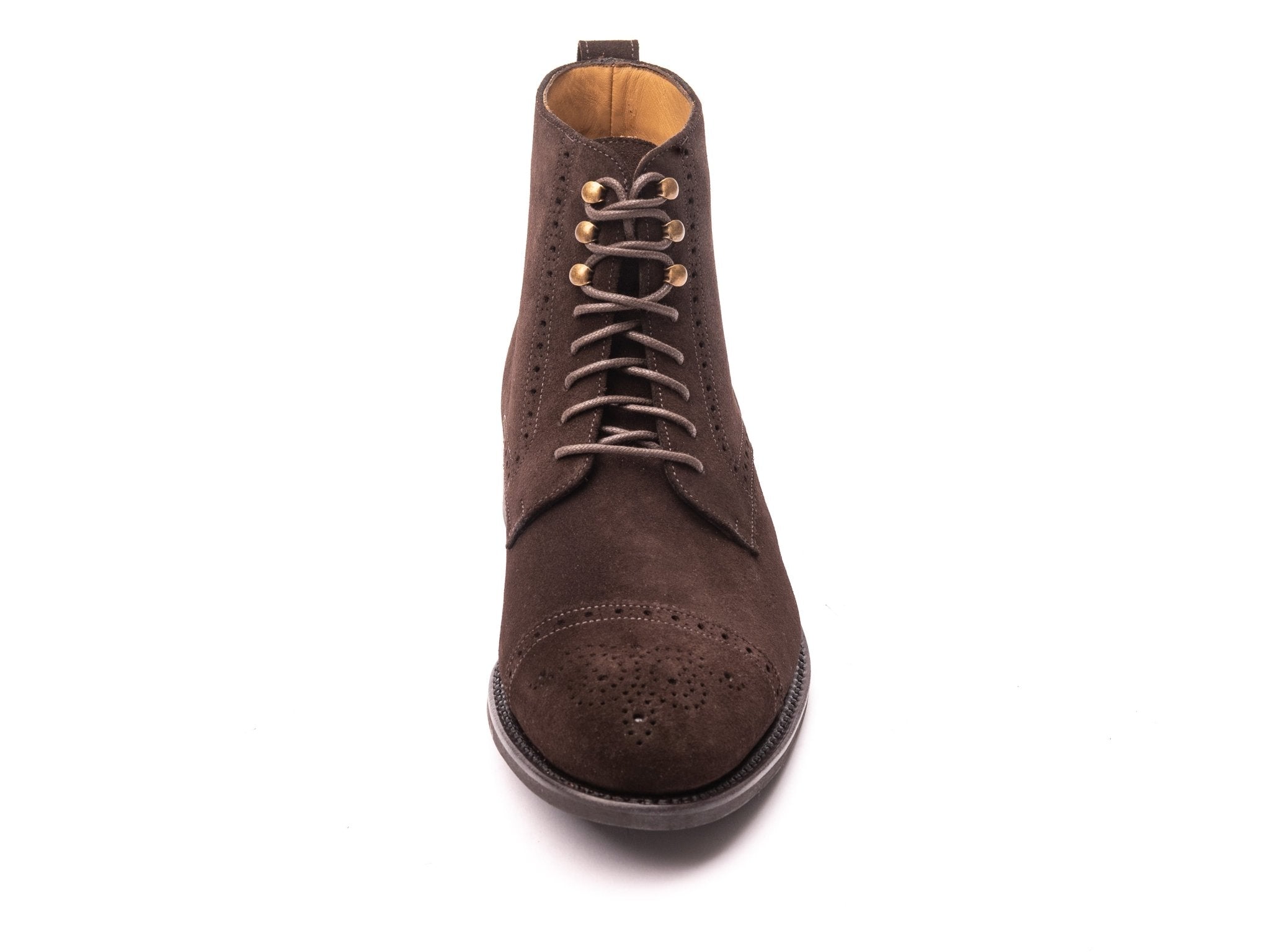
Men's Punched Derby Boots in brown suede, front viewMen's Punched Derby Boots in brown suede, front view
Men's Punched Derby Boots in Brown Suede Sale price197 € Regular price329 €
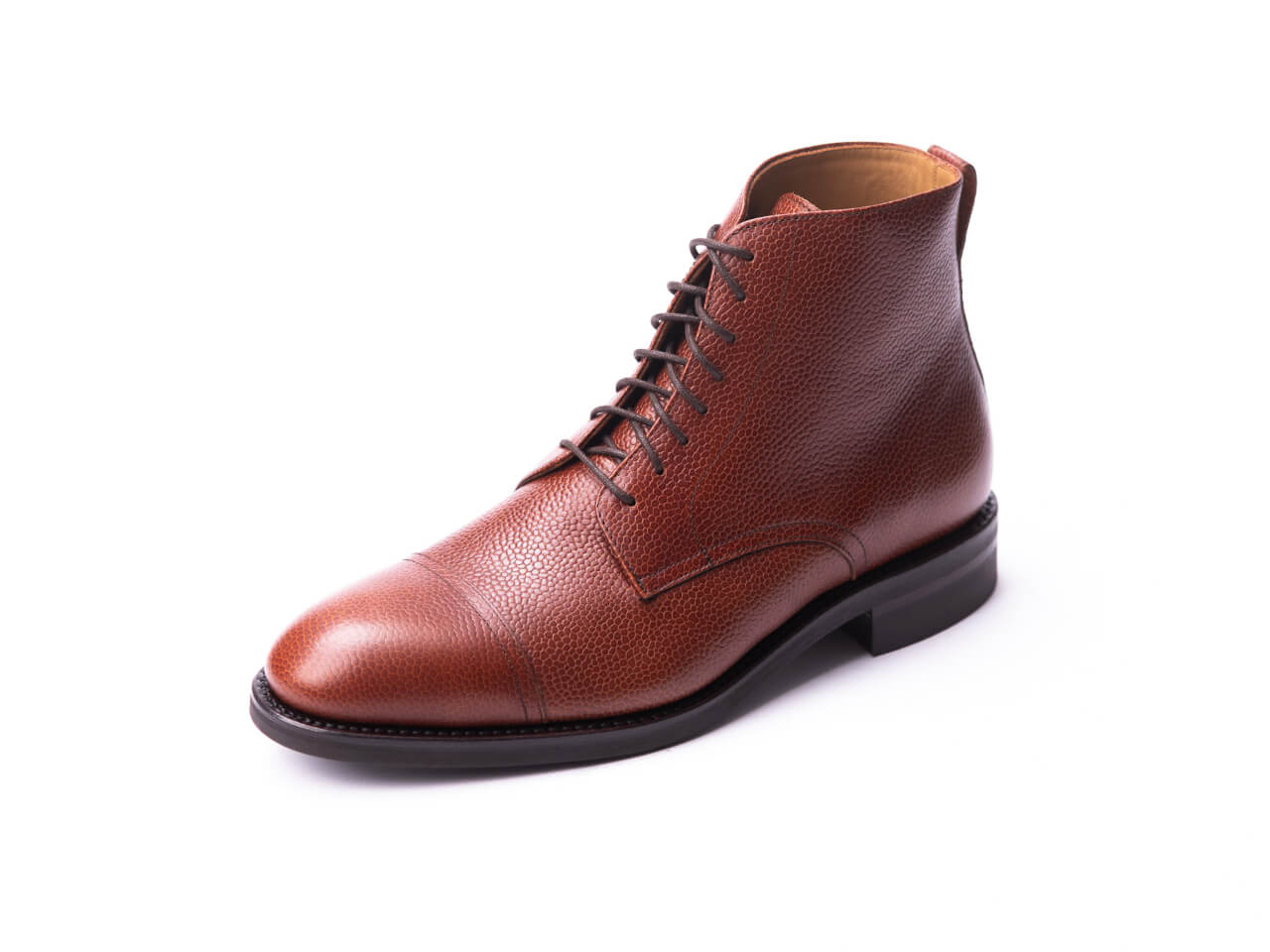
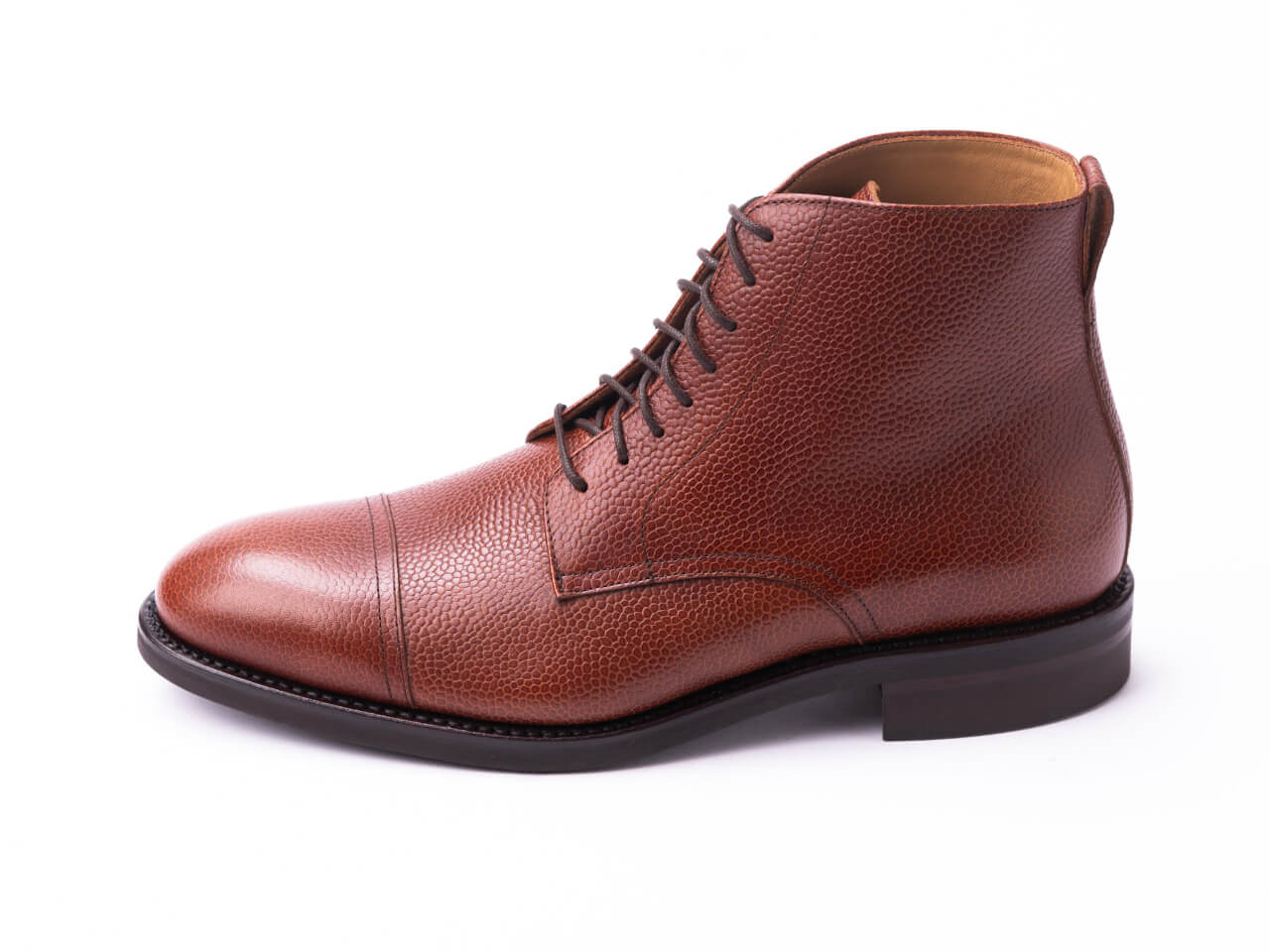
Men's Derby boots in light brown, front viewMen's Derby boots in light brown, front view
Men's Derby Boots in Light Brown Pebble Sale price197 € Regular price329 €

What makes a good Derby shoe?

The Derby is a lace-up shoe with open lacing. The quarters carrying the eyelets sit on top of the vamp, whereas on an Oxford they are stitched beneath it and meet at the front. This gives the Derby more room over the instep. If you have a high instep or a fuller foot, it is often the better choice. One clue: if the lacing on your Oxfords gapes wide even when laced tightly, a Derby will probably fit you better.

The Derby is considered less formal than the Oxford. It goes with a sports jacket, corduroy or flannel trousers, or tweed. The plainer the Derby, the better it also works with a suit.

Features of a good Derby

  • Quarters stitched on top. The quarters sit on a one-piece vamp, with the tongue cut as part of it. This is what gives the extra room over the instep.
  • Goodyear-welted construction. The upper, insole and outsole are joined by a strip of leather running around the shoe, the welt. This lets a cobbler replace the outsole without affecting the rest of the shoe.
  • The right sole. On wet days, a treaded rubber sole gives more grip than a smooth leather sole.
  • Decoration to suit the occasion. A plain vamp is the most formal option. Broguing, as on the semi-brogue, or decorative stitching, as on the Norwegian, makes the shoe more casual.

The Norwegian

When it comes to shoes, 'Norwegian' means two different things. Norwegian stitching is a U-shaped seam on the vamp that frames the toe like an apron. Norwegian welt construction, on the other hand, is a way of making the shoe: the upper is turned outwards at the edge and stitched visibly on the outside. A Derby with Norwegian stitching therefore need not be made with Norwegian welt construction.

Our Derbys are Goodyear-welted and made in Spain, using leather from European tanneries. Both the lining and the sock lining are leather. The Derby with Norwegian stitching is made from oil-tanned cowhide, which copes better with wet weather and keeps its matt finish.

→ For closed lacing, see our Oxford shoes

→ For shoes with broguing, see our Brogues

→ All styles, and more on Goodyear welting, in our overview: Shoes

FAQ

What is the difference between a Derby and an Oxford?
The lacing. On a Derby the quarters carrying the eyelets sit on top of the vamp, so the lacing is open at the front. On an Oxford they are stitched beneath the vamp, so the lacing is closed. This makes the Oxford look sleeker and more formal, while the Derby allows more room over the instep.
Who is a Derby shoe best suited to?
Above all, men with a high instep or a fuller foot, because the open lacing is less restrictive over the top of the foot. If an Oxford's lacing gapes wide even when laced tightly, a Derby is usually the better choice. In terms of style, it goes as well with a sports jacket and tailored trousers as with tweed.
What size should I choose in a Derby?
Our Derbys come up large, so we usually recommend half a size smaller than your normal shoe size. If you are between two sizes, we are happy to advise you personally.
Can you wear a Derby with a suit?
Yes, if it is plain. A smooth leather Derby with a plain vamp works with a suit at the office. For formal occasions, the Oxford remains the better choice. The more decoration a Derby has, the more it belongs with a sports jacket and casual trousers.
What is a Norwegian shoe?
A Derby with a decorative seam on the vamp that frames the toe in a U shape. The stitching gives the Norwegian a more casual look than a plain Derby. It goes well with corduroy trousers, chinos and a tweed jacket.
Is a Norwegian made with Norwegian welt construction?
Not necessarily. Norwegian stitching is a design feature on the upper, whereas Norwegian welt construction is a distinct way of making the shoe, in which the upper is turned outwards at the edge and stitched visibly on the outside. Our Derbys with Norwegian stitching are Goodyear-welted.
Is a Blucher the same as a Derby?
In everyday usage, mostly yes. Both terms refer to lace-up shoes with open lacing. Specialists distinguish between the Blucher and the Derby in the details, but in practice the two terms are usually used interchangeably.
Can Goodyear-welted Derbys be resoled?
Yes. With Goodyear welting, the upper and insole are stitched to a strip of leather running around the shoe, and the outsole is attached to that strip. Once the sole is worn down, a cobbler can replace it without affecting the rest of the shoe.
Where are your Derbys made?
In Spain, by a family-run firm. The leather comes from European tanneries, and both the lining and the sock lining are leather. All our Derbys are Goodyear-welted.
Powered by Omni Themes