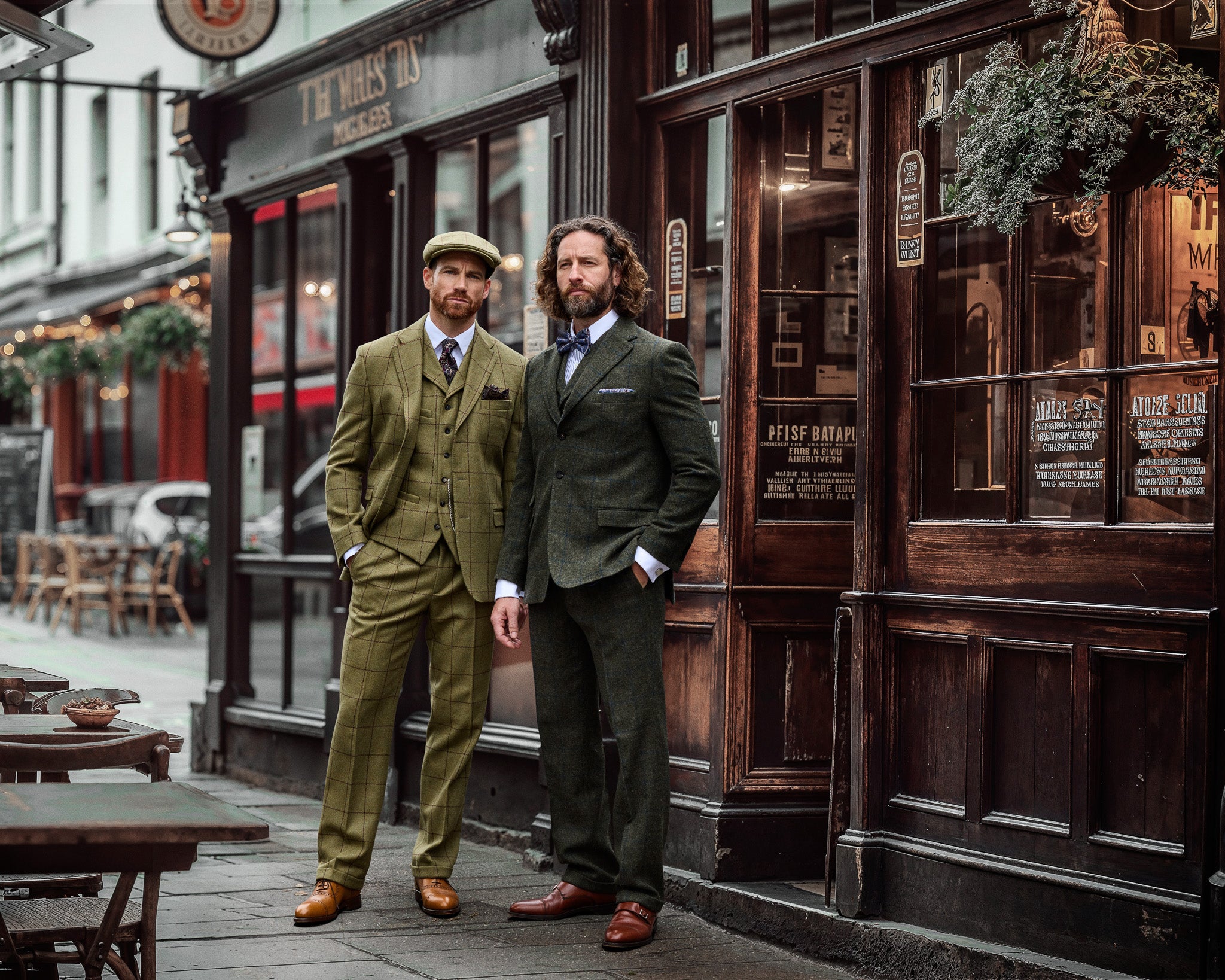
Tweed Lexicon
What is tweed?
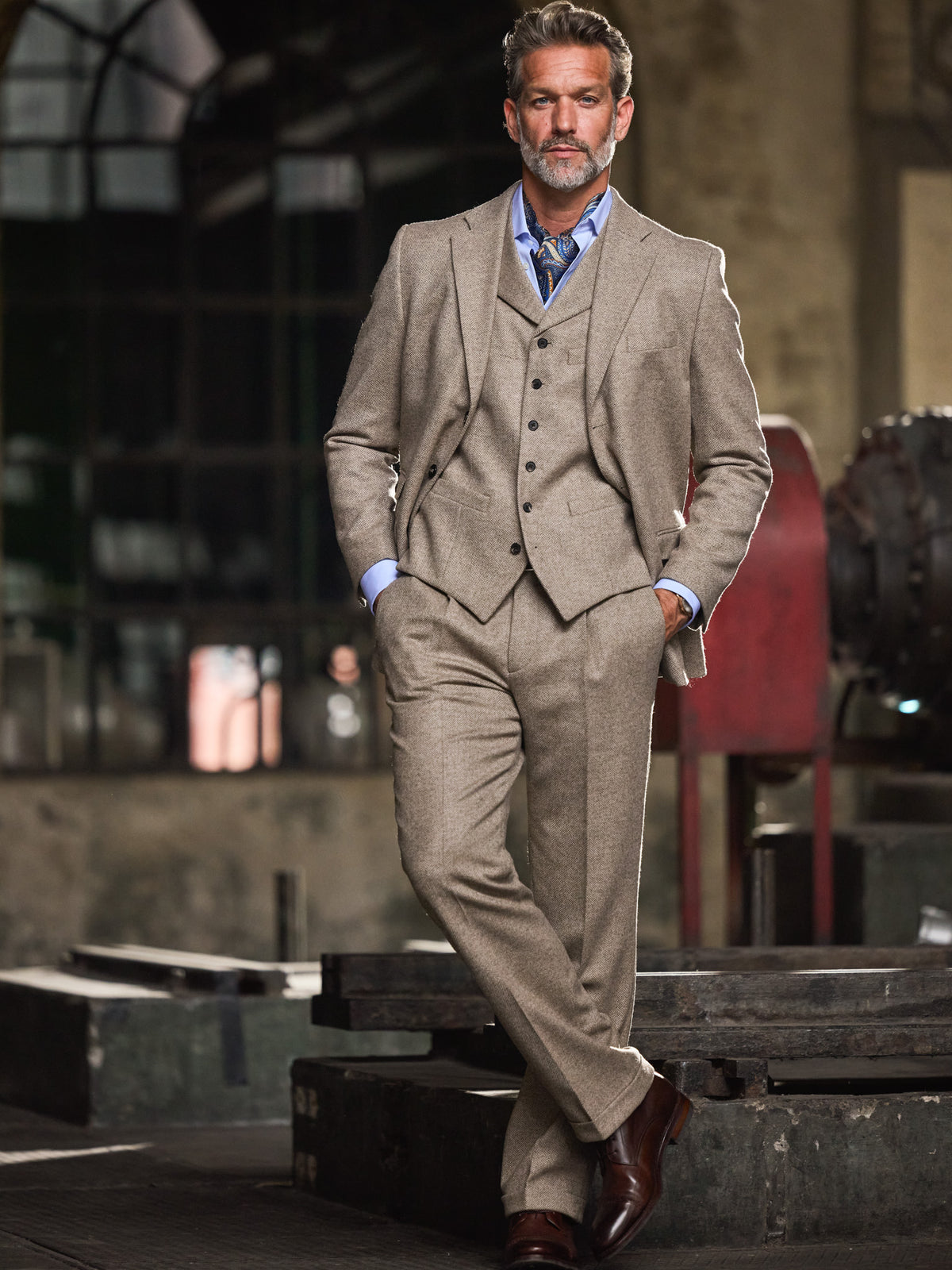
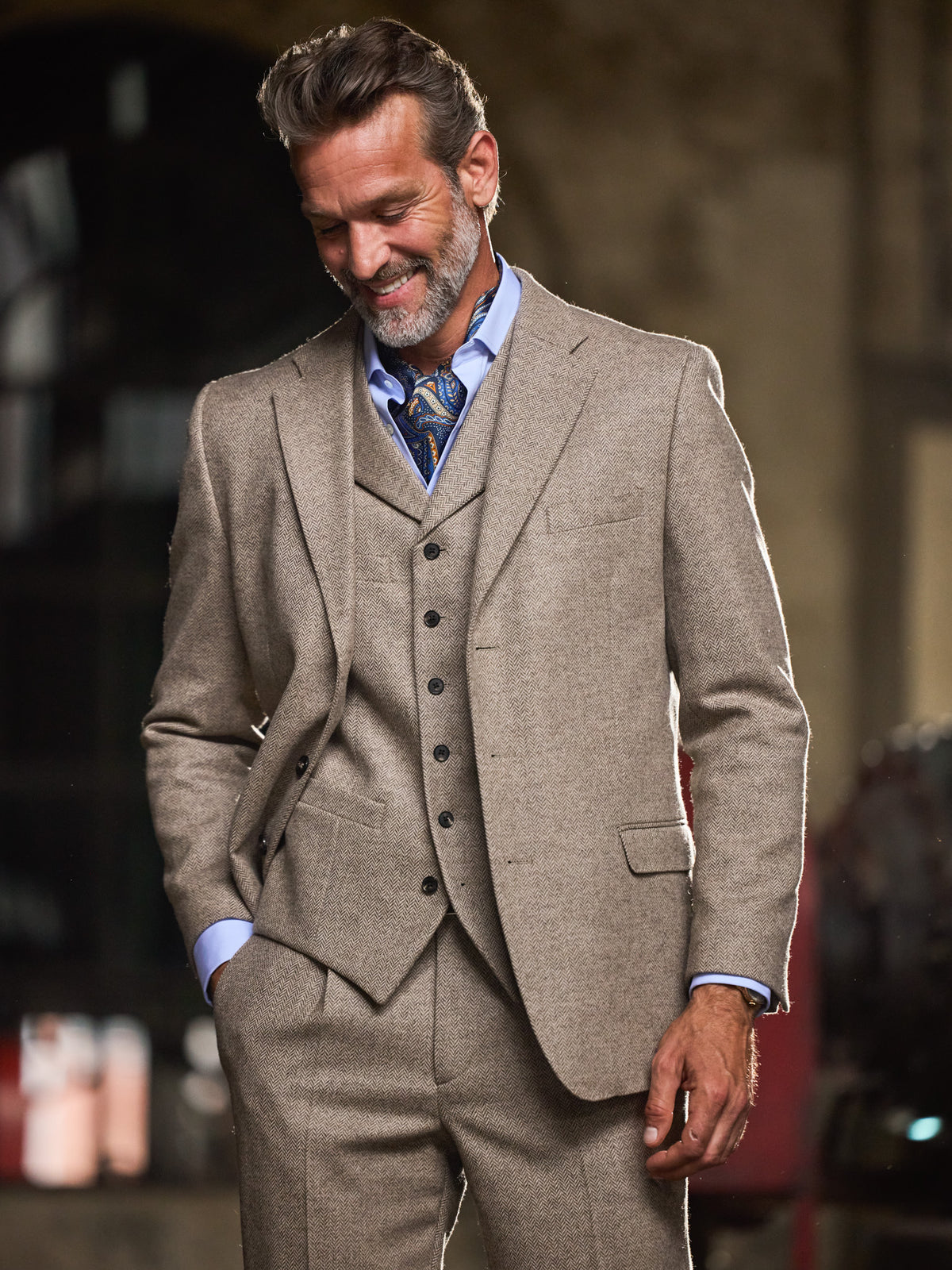
Tweed is a cloth woven from pure new wool, and its origins lie in the British Isles. The name probably derives from its characteristic structure, known as twill, or tweel in Scotland. In German, this is generally called Köperbindung or “Zwillich”: the weave that produces a diagonal pattern in the cloth.

Originally, the name tweed was used above all for cloths handwoven from hand-spun yarns. The small weave patterns were therefore based mainly on fairly coarse woollen yarn, but also on plied warp yarn and worsted.
A point that matters to us: our producers support animal welfare, which is why we stock only mulesing-free wool.
The history of tweed
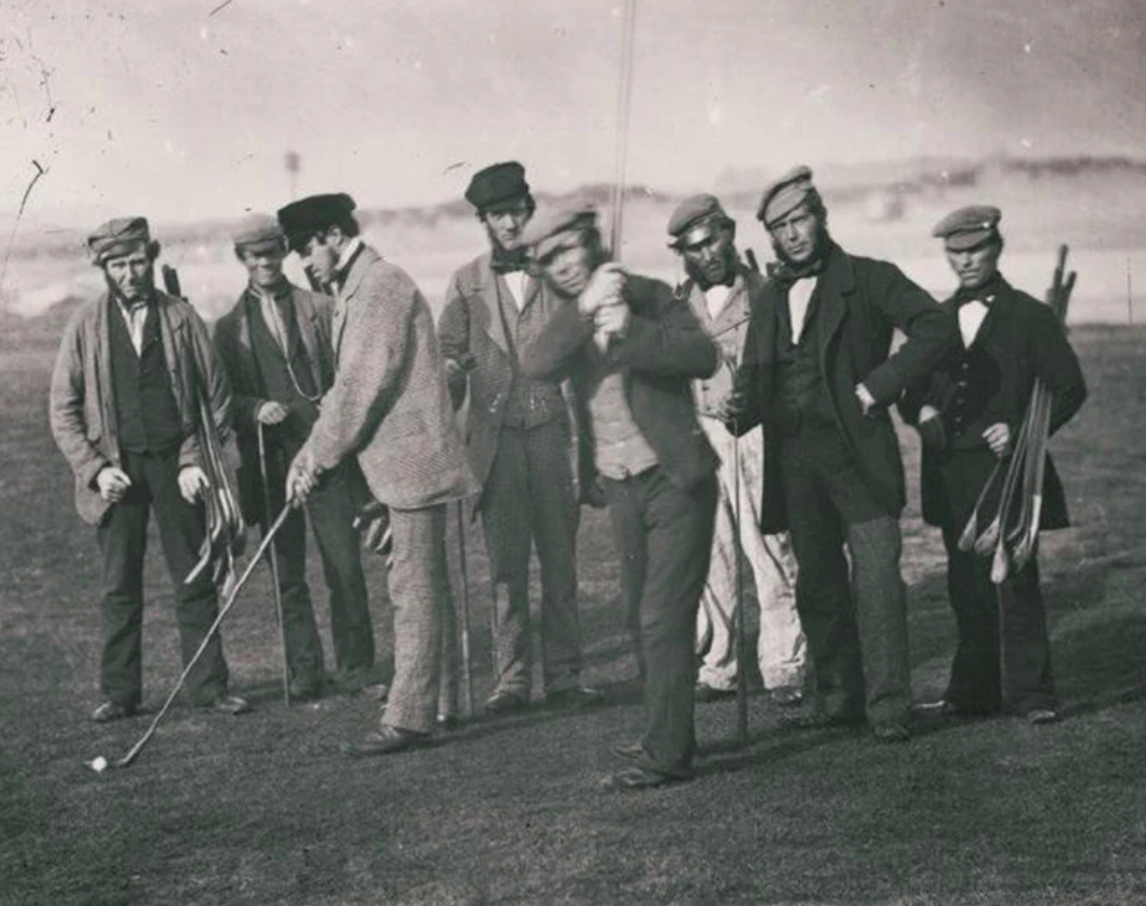
The origins of tweed most probably lie in the rural regions of Scotland and Ireland. Tweed was distinguished by its particularly robust construction and so protected men working outdoors from the cold, rainy British climate. As the sheep have also adapted to the harsh climate, wool shorn from Scottish sheep is particularly well suited to tweed. Their wool is correspondingly thick, robust and waterproof.
From working cloth to the cloth of the aristocracy
Dyes were always natural: orange was obtained from ragwort, wheat and iris provided the green, and lichen the red. Before long, however, tweed was no longer just the cloth of farmers. After the royal family acquired Balmoral Castle, buying a country estate in Scotland became established throughout English society. To set themselves apart, large landowners designed their own tweed patterns, known as estate tweed, which were worn only by the staff of each estate. This followed the Scottish tradition of dressing according to one's clan.
How is tweed made?
The production process begins with dyeing the wool. Large batches of wool are first placed in a closed vat. After dyeing, the wool is spun to extract the moisture from the fibres. To create the characteristic tweed pattern, the individual dyed batches are shredded and then blended. Only the blend produces the final shade.
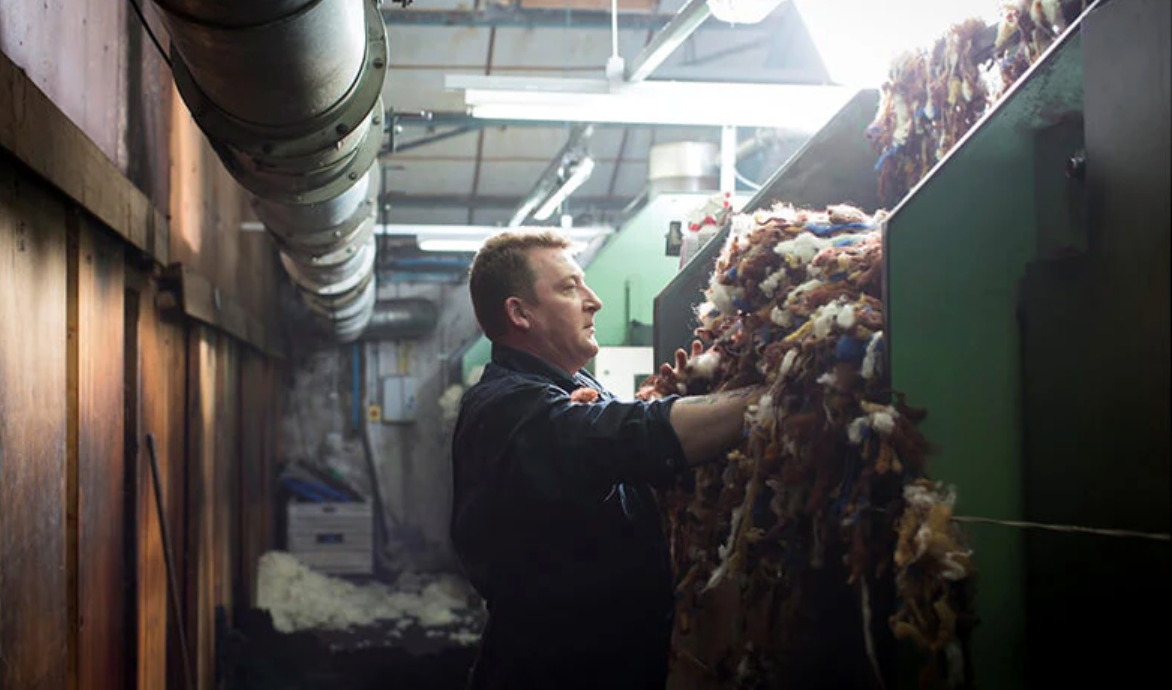
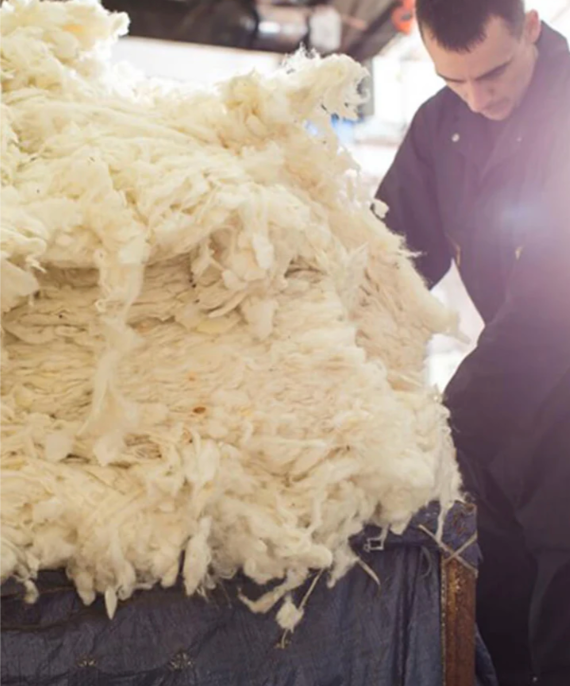
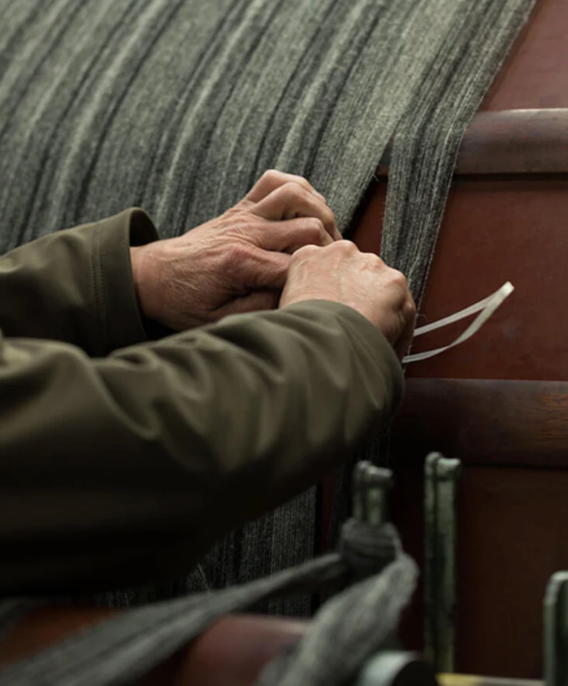
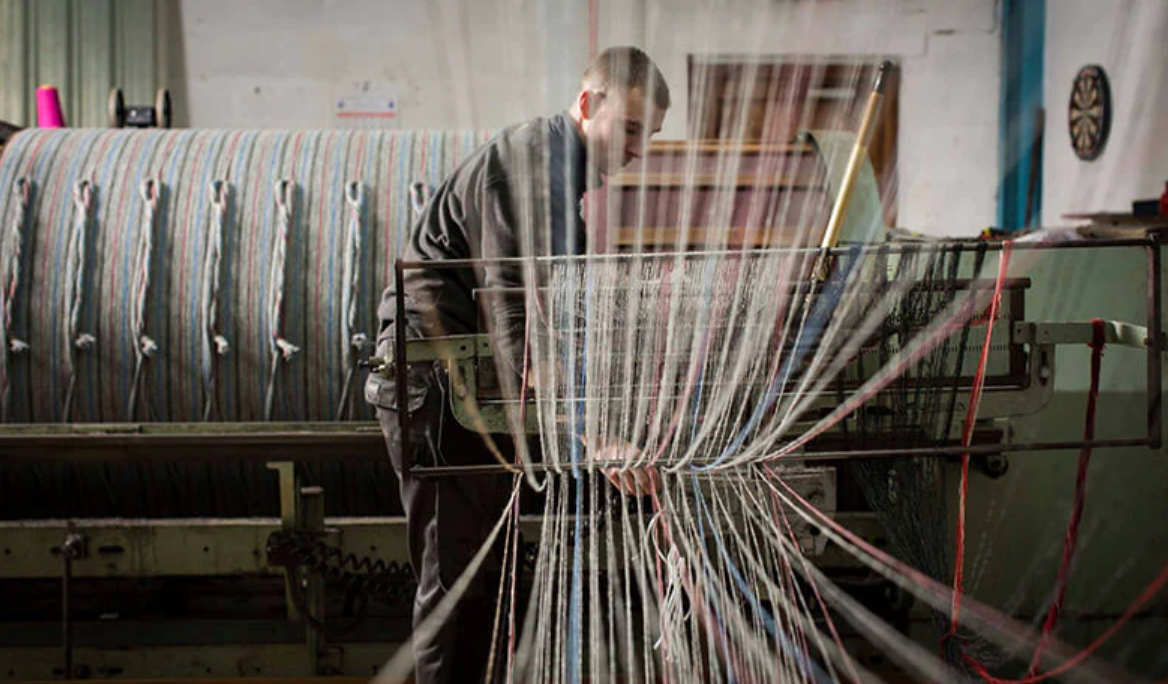
Next, machines draw the individual wool fibres in the same direction and carry them through a series of rollers so that the fibres can be stretched. A further machine draws off the right quantity of fibre to form a very loose strand. To give the yarn the strength needed for weaving, it must then be spun into a strong thread. For this, it is twisted six to eight times, which gives the yarn considerably greater tensile strength.
Discover now
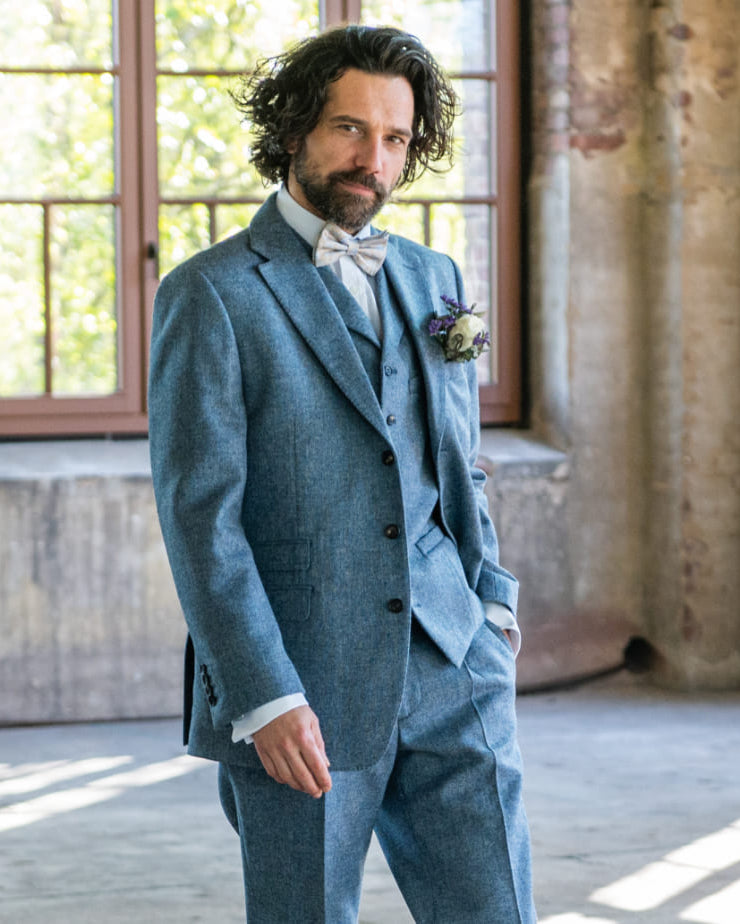
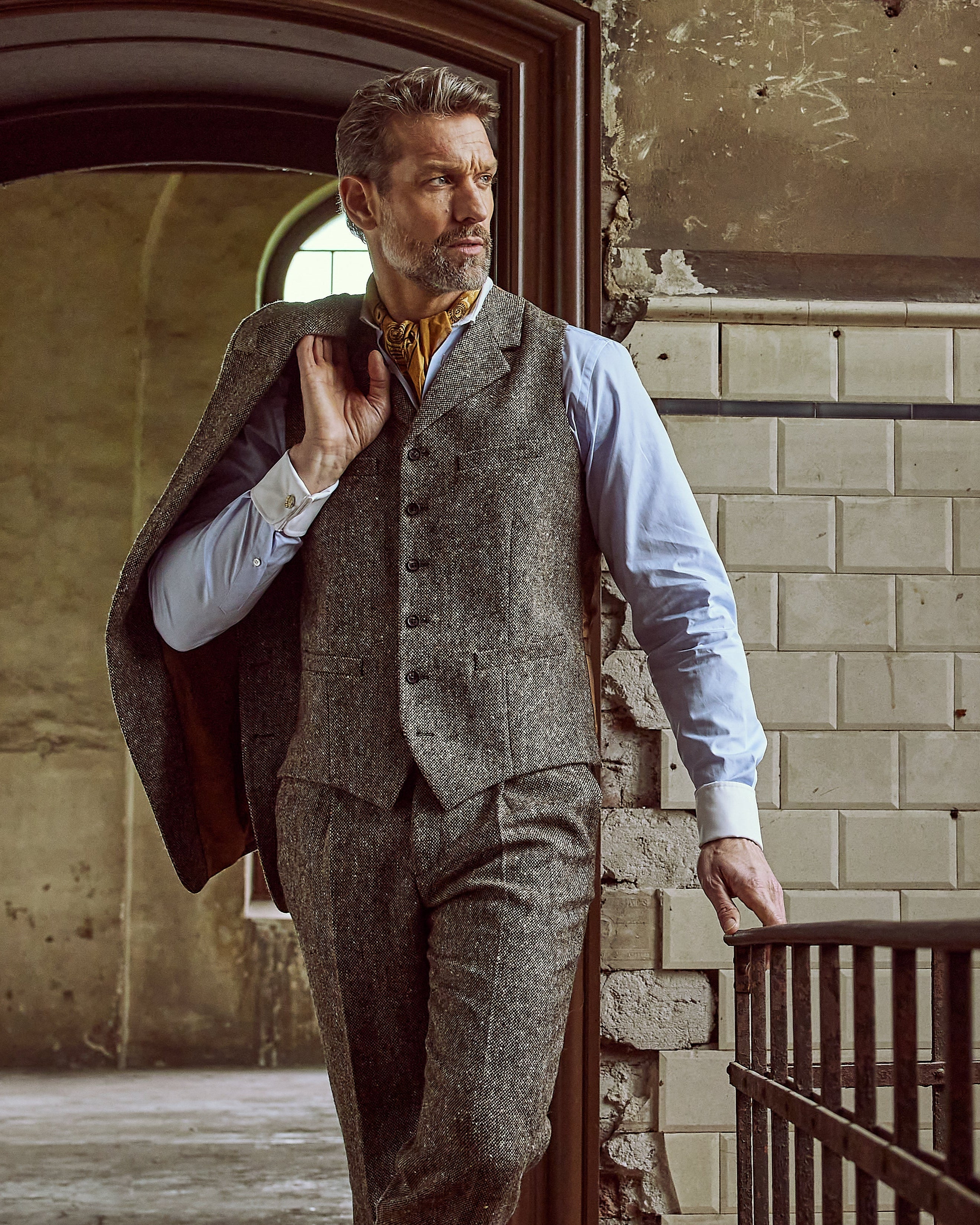
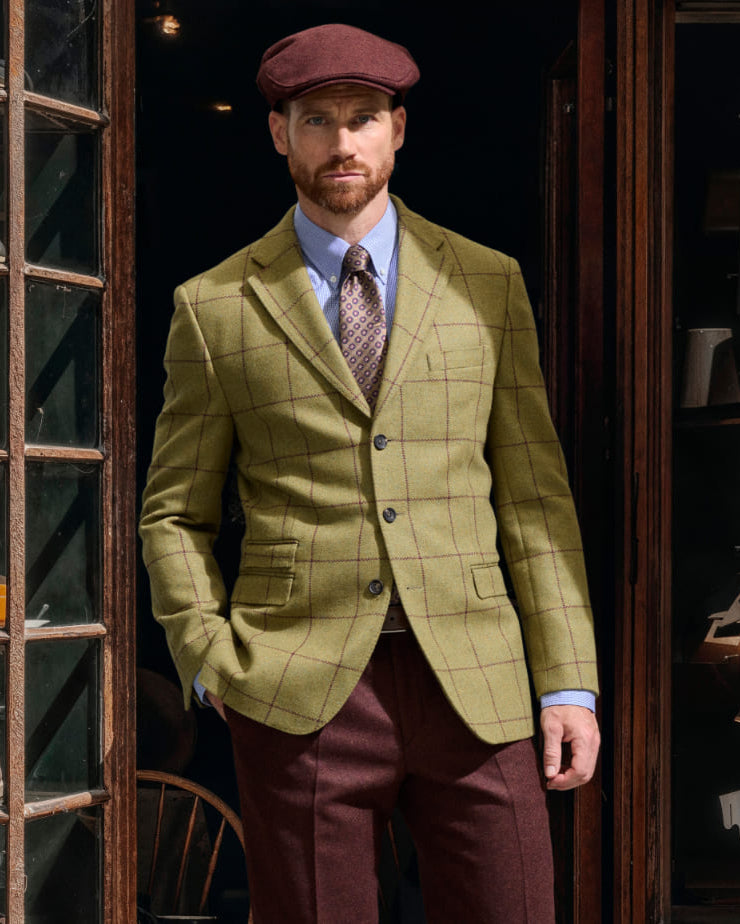
A film on the history of tweed
Our tweeds
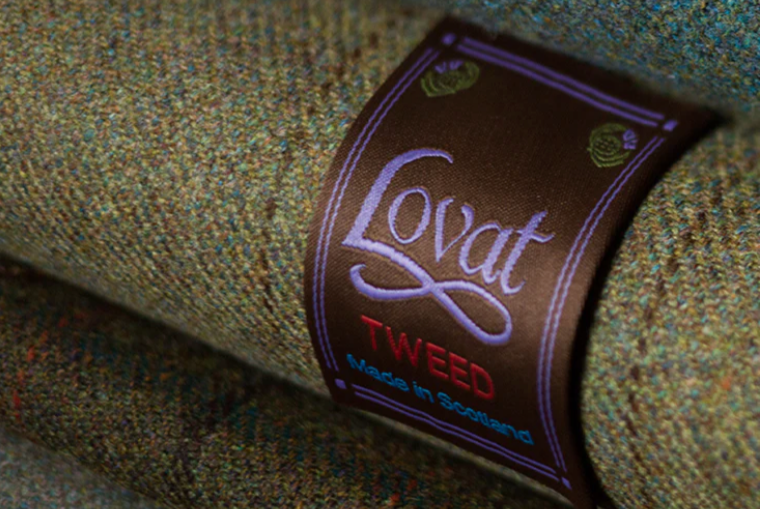
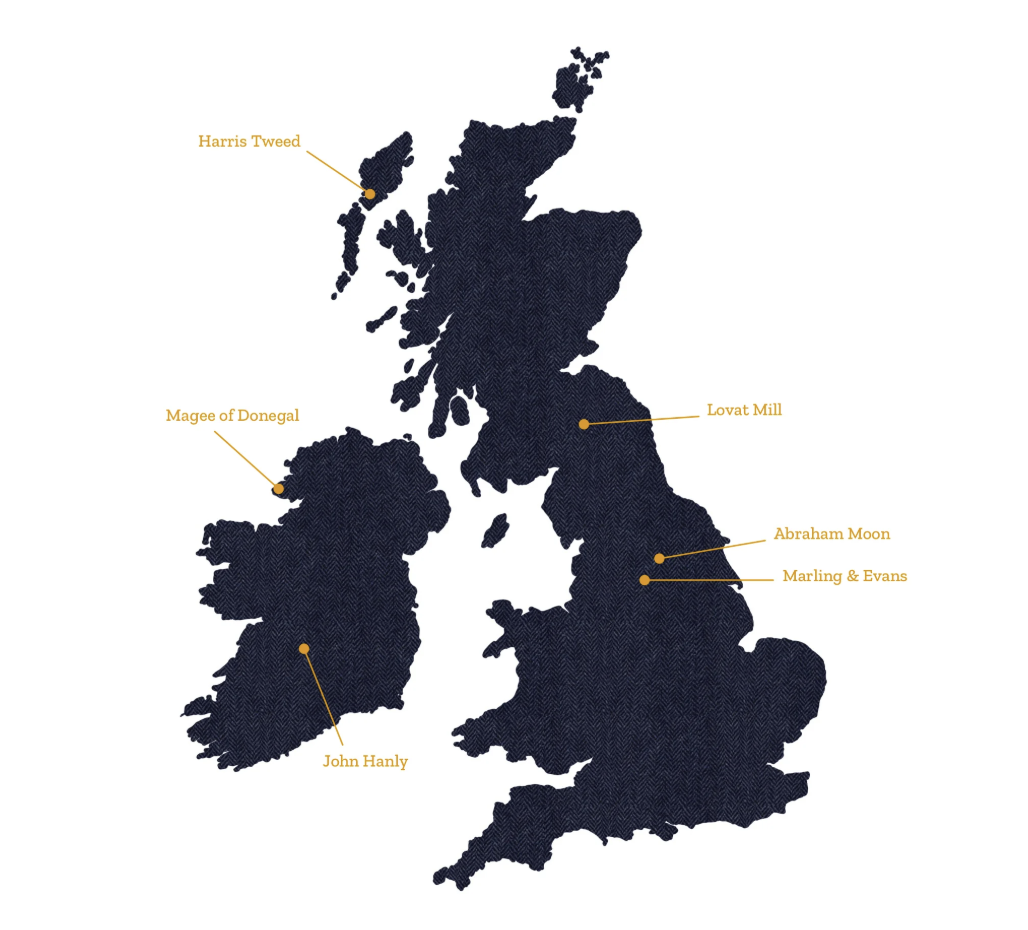
Lovat Tweed
Lovat Tweed keeps you warm and remains very hard-wearing, even in damp conditions. Its colourways recall the Scottish landscape.
Lovat Tweed Mill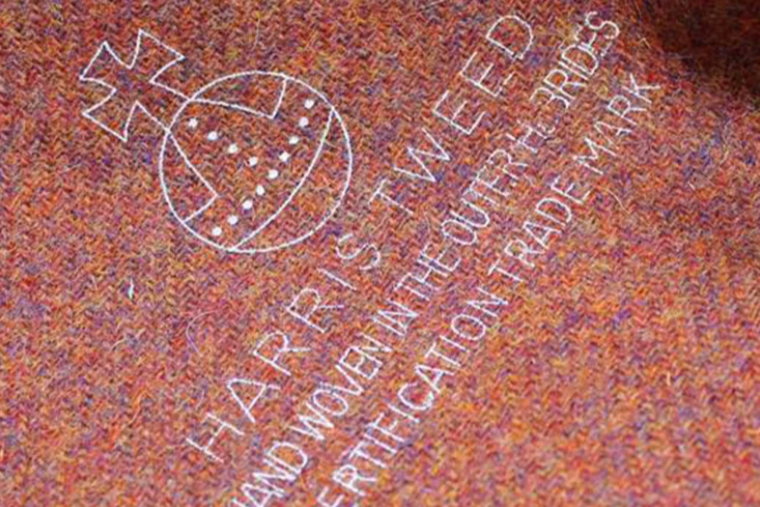
Harris Tweed
Harris Tweed is particularly hard-wearing, comes in distinctive colours and combines well with other fabrics.
Harris Tweed
Moon Tweed
Moon Tweed has a particularly pleasant handle and keeps you warm, even in cool temperatures.
Moon Tweed Mill
Magee Tweed
Magee Tweed is particularly durable, with heavy cloths from County Donegal in Ireland.
Magee Tweed Mill
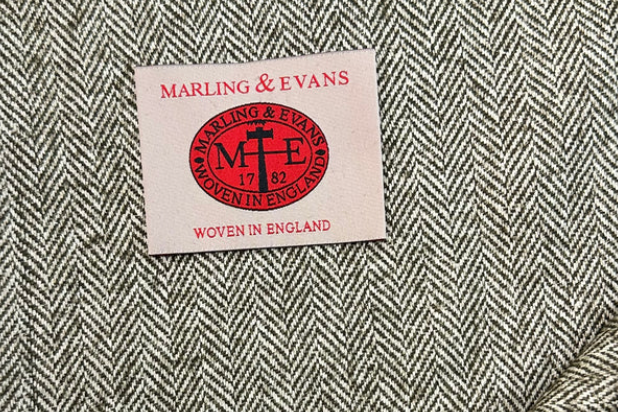
Marling & Evans Tweed
Marling & Evans tweeds have a strong, distinctive character. Spinning, weaving and finishing all take place in Huddersfield, England.
Marling & Evans MillTweed Suits