Skip to content

Cart

Your cart is empty

Men's Oxford Shoes

Goodyear-welted Oxfords in vegetable-tanned leather, to wear with a suit at the office and on formal occasions.

Sort by

8 products
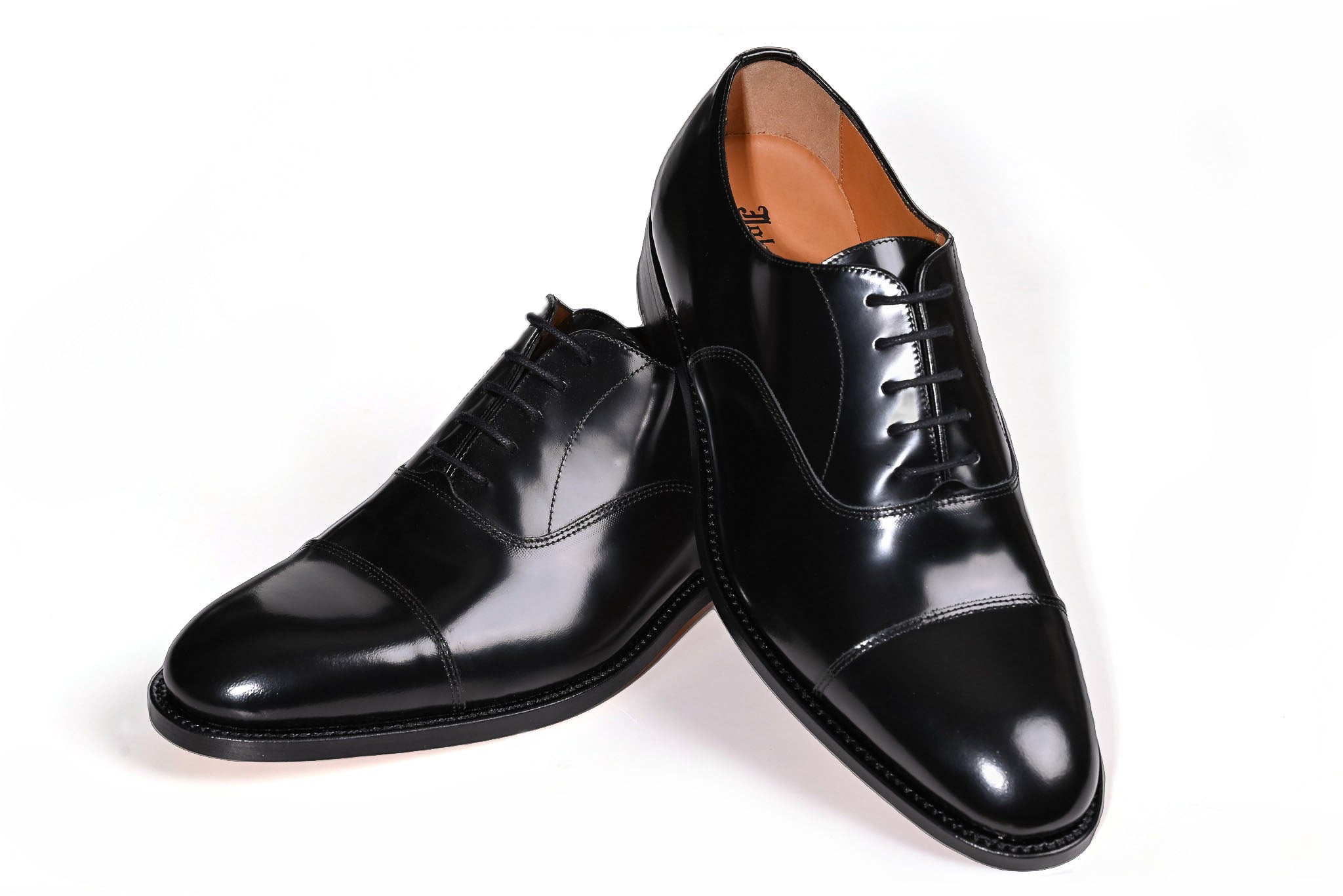
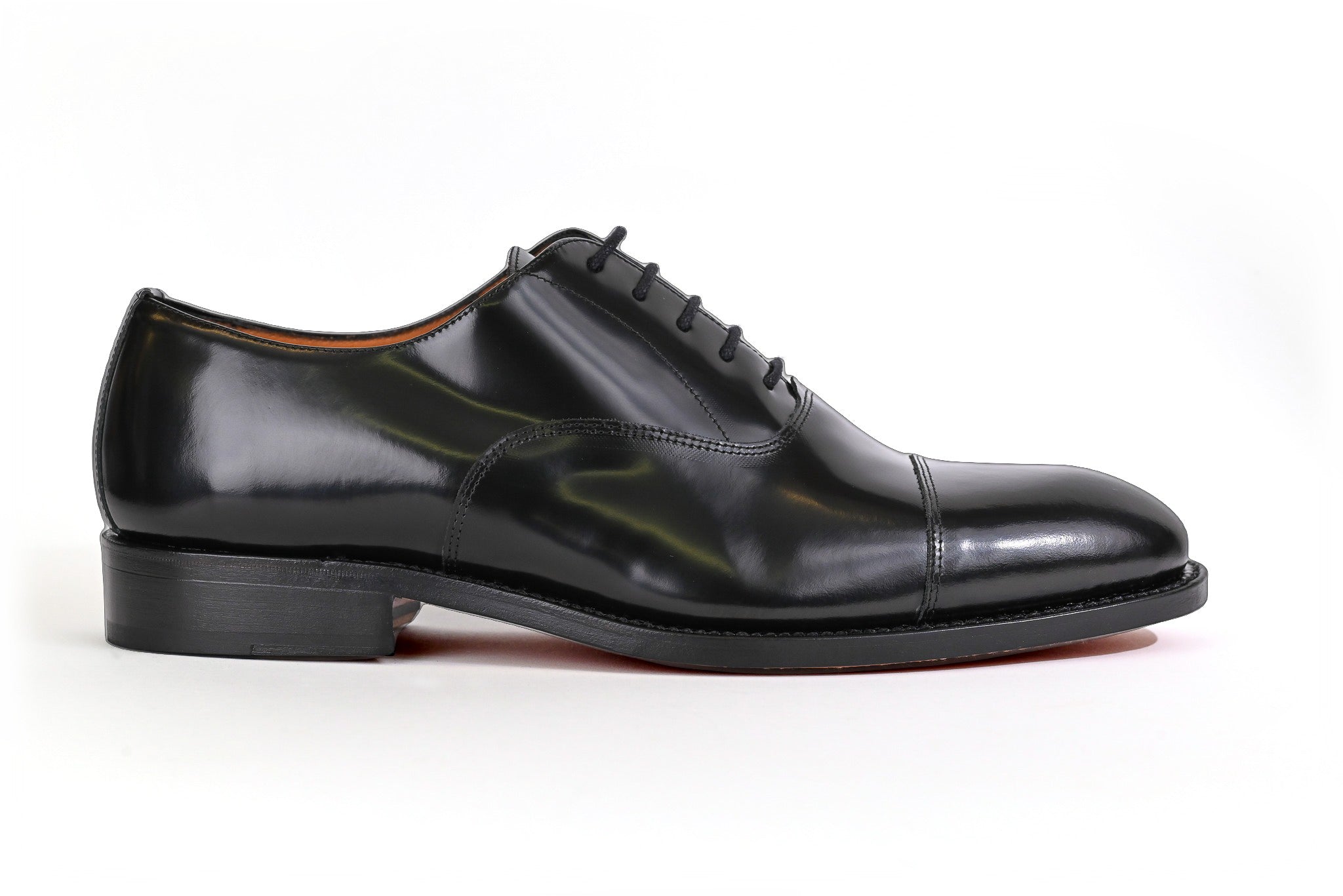
−20% with code CROCKETMen's Plain Oxford shoe in high-shine black, pair viewed at an angle from aboveMen's Plain Oxford shoe in high-shine black, side view
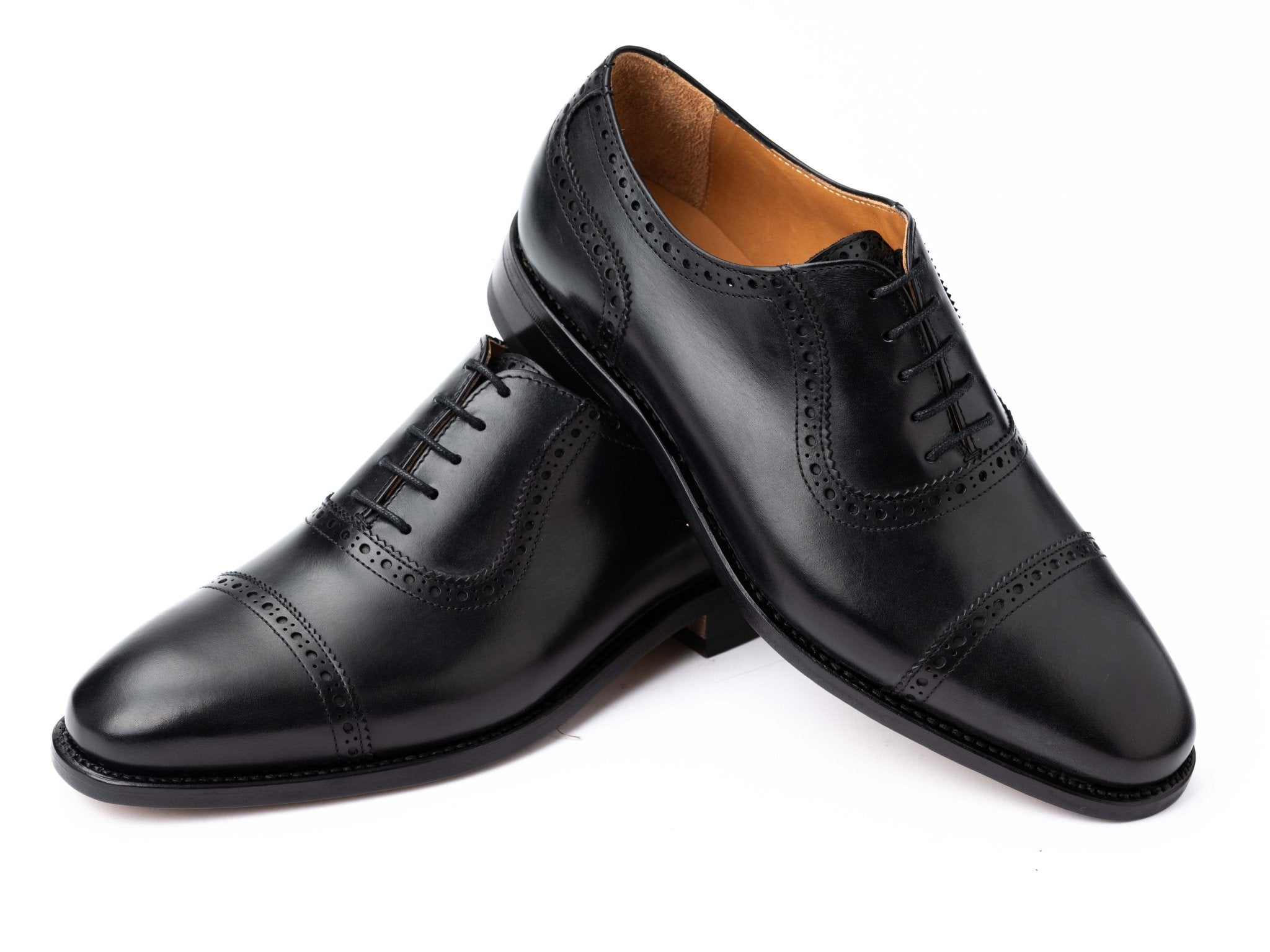
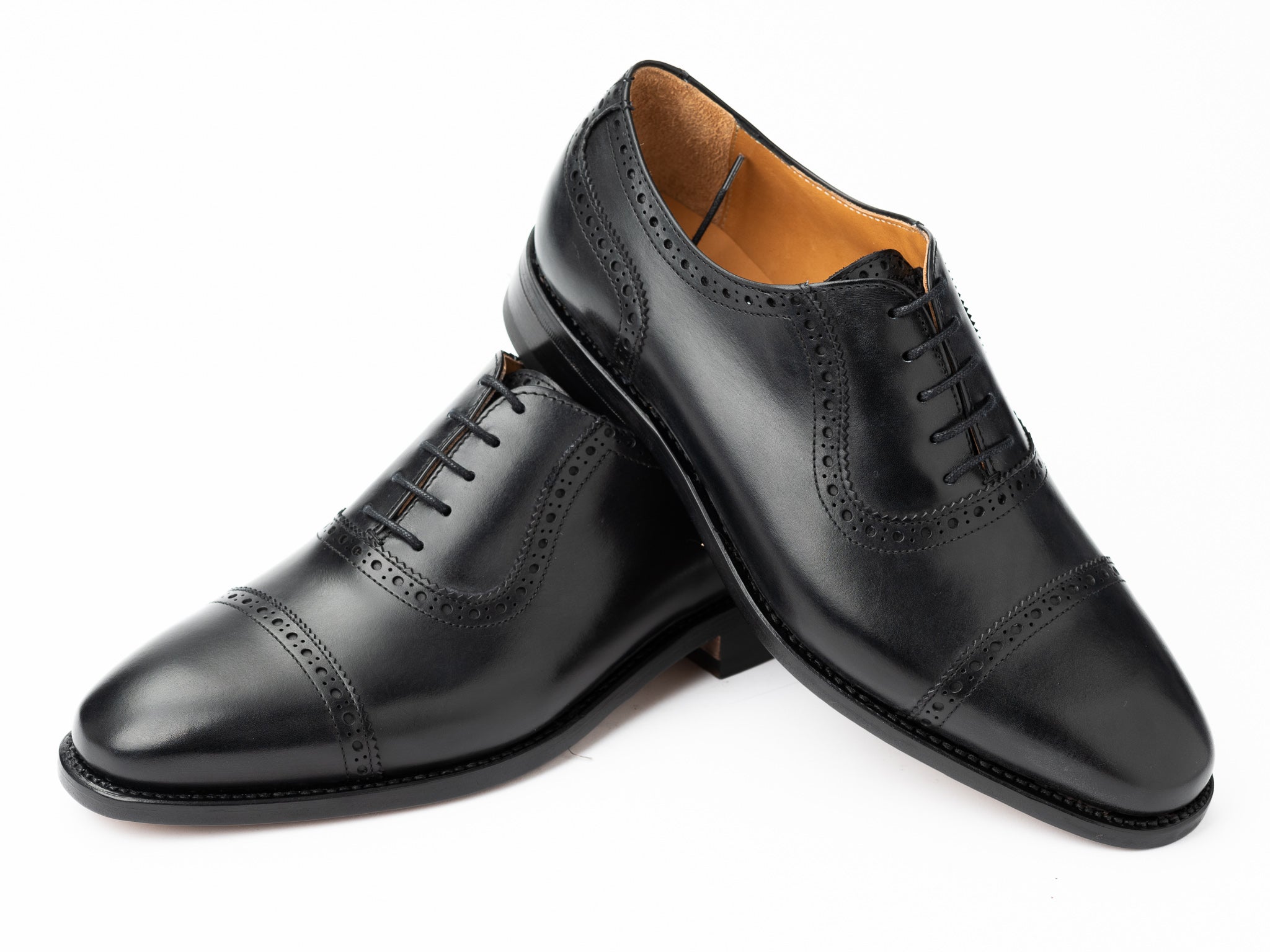
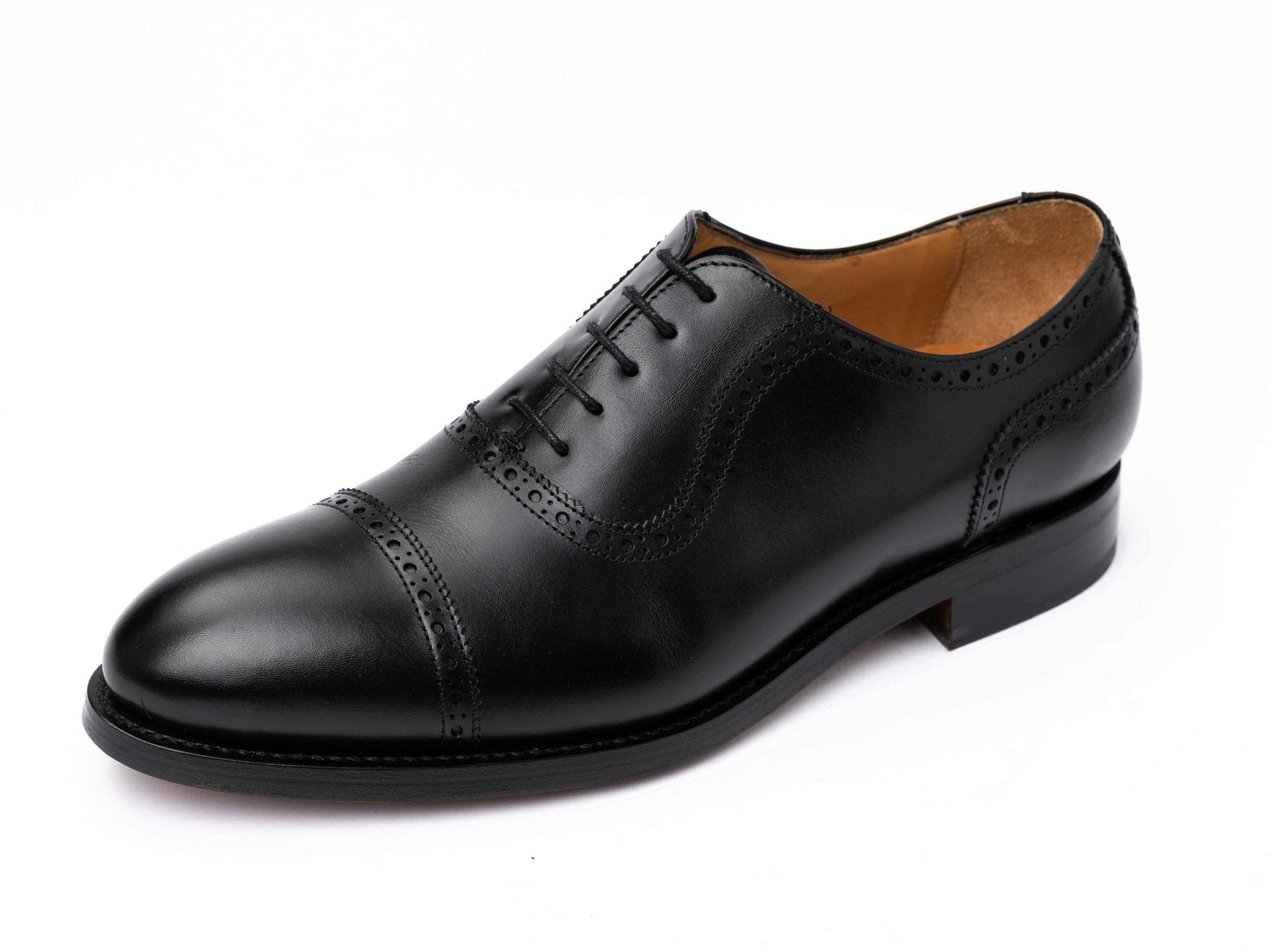
−20% with code CROCKETPunched Oxford men's shoe in black, front viewPunched Oxford men's shoe in black, front view
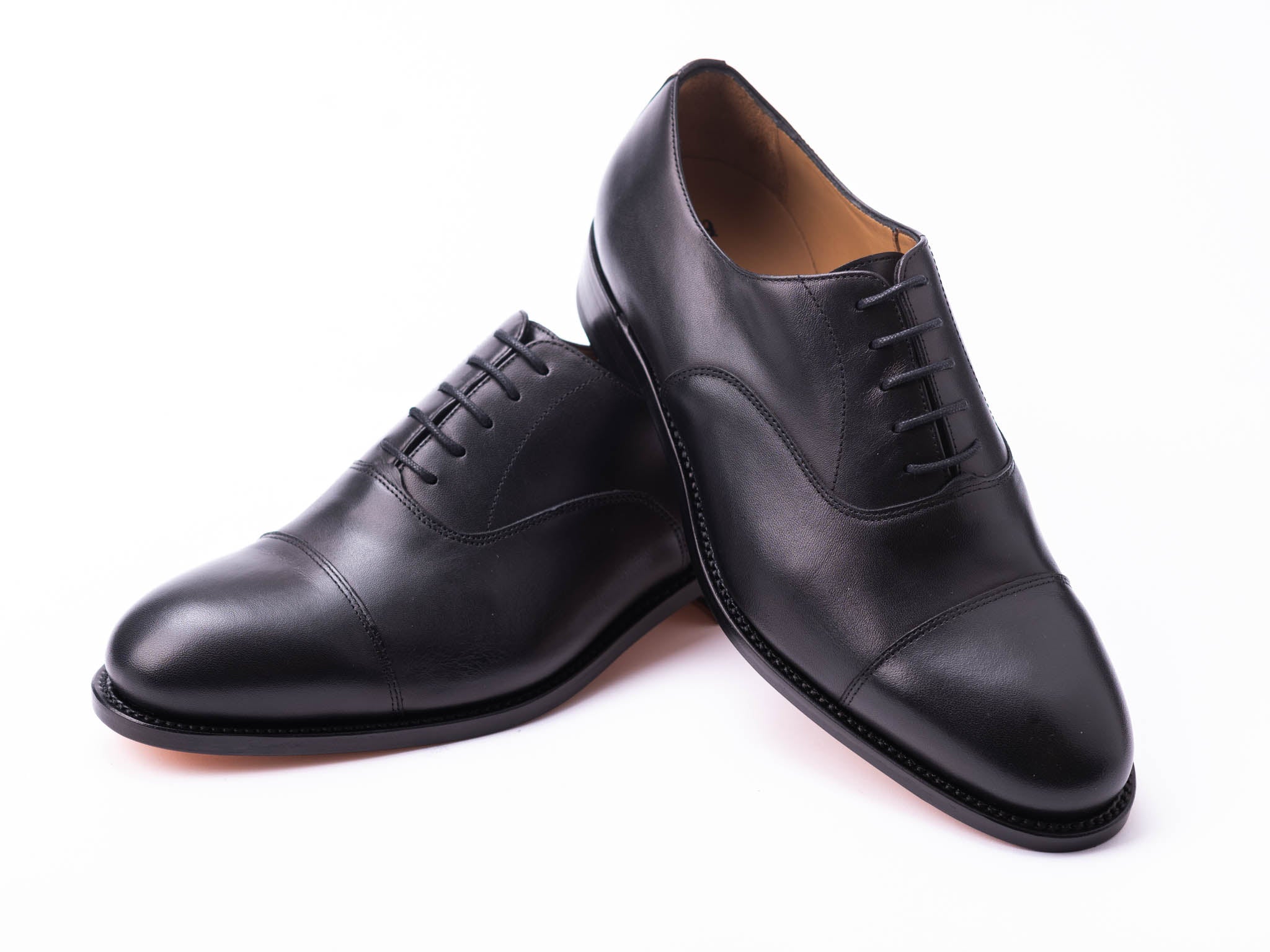
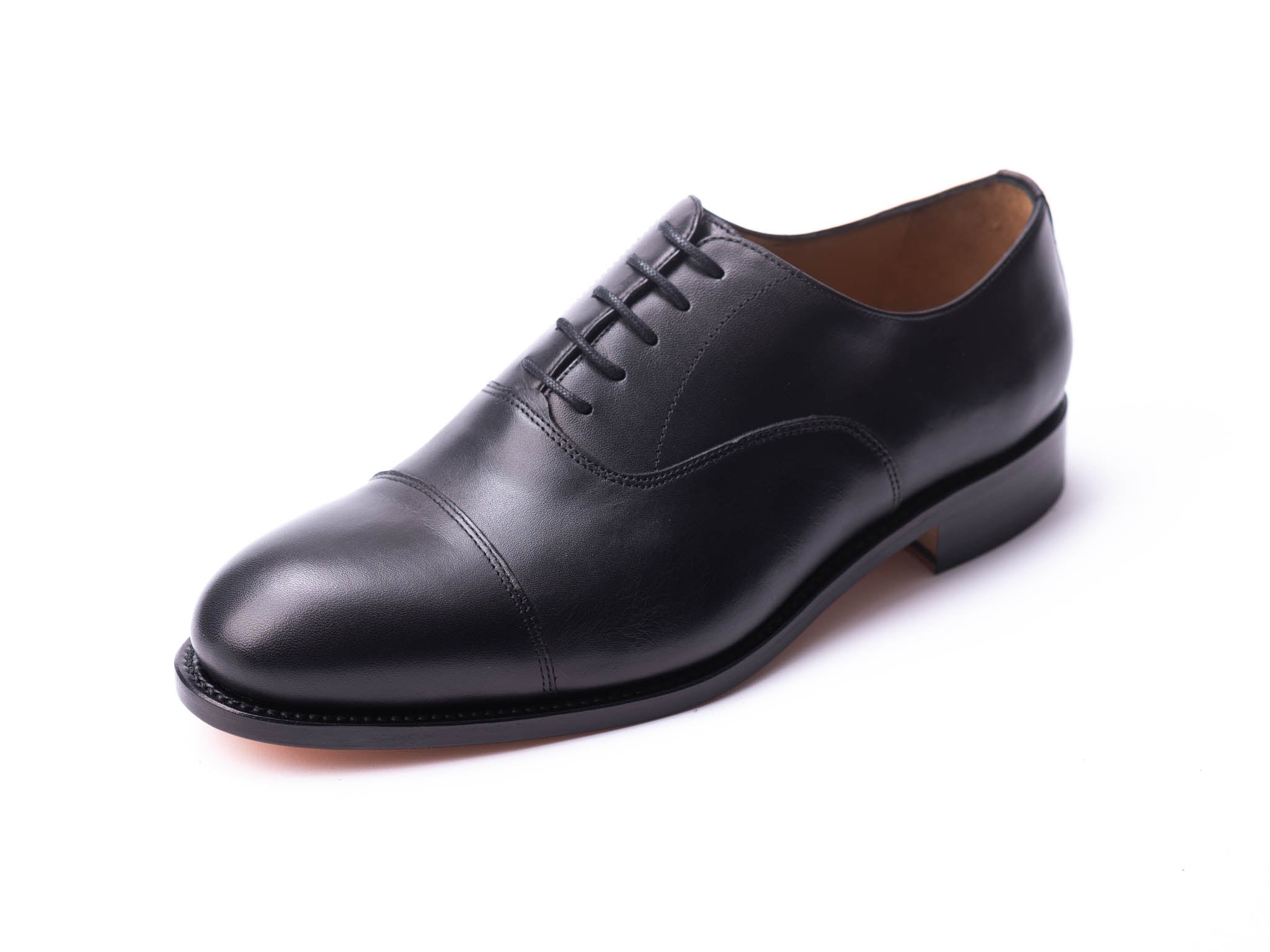
−20% with code CROCKETMen's Plain Oxford shoe in black, front viewMen's Plain Oxford shoe in black, front view
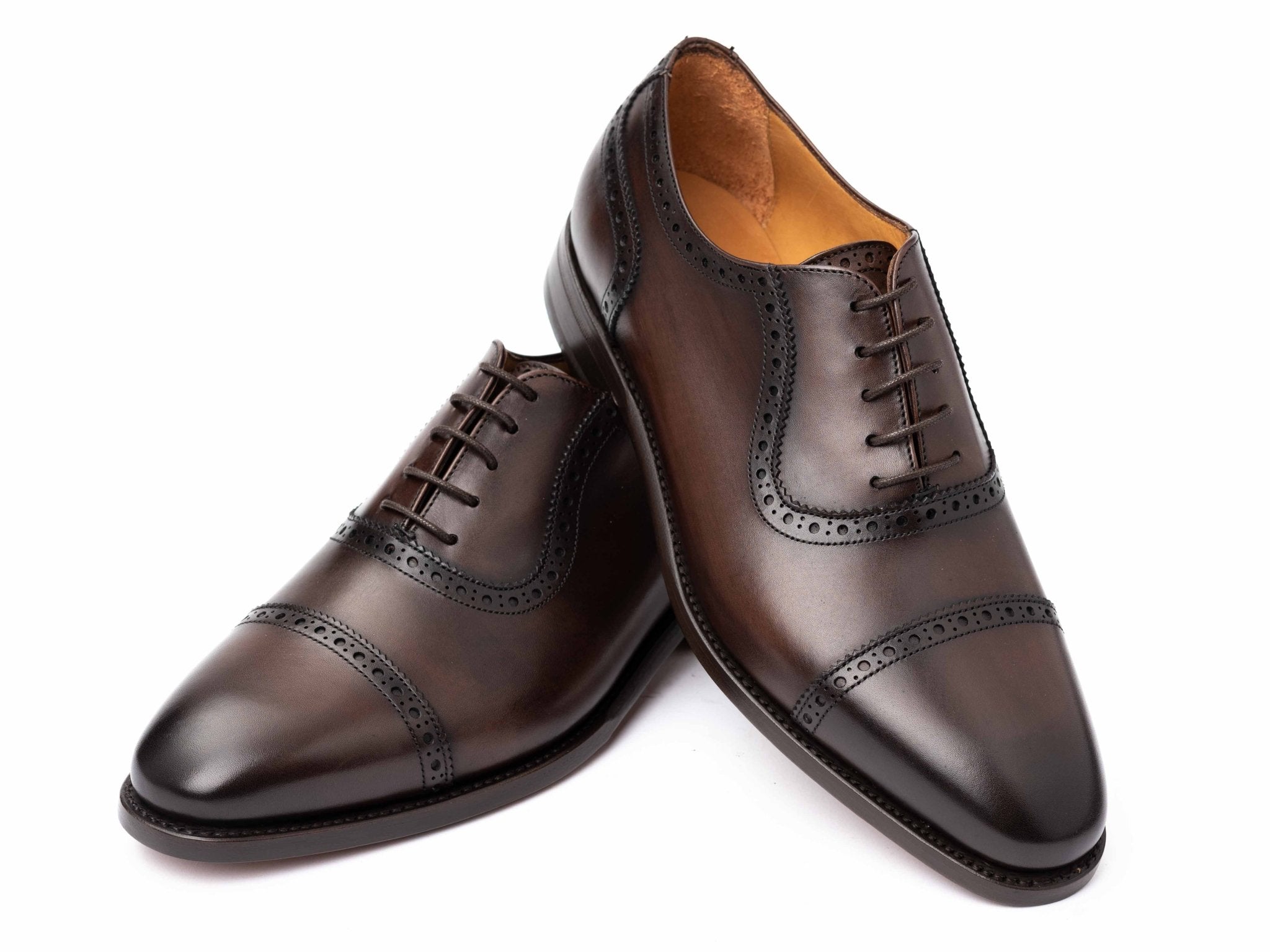
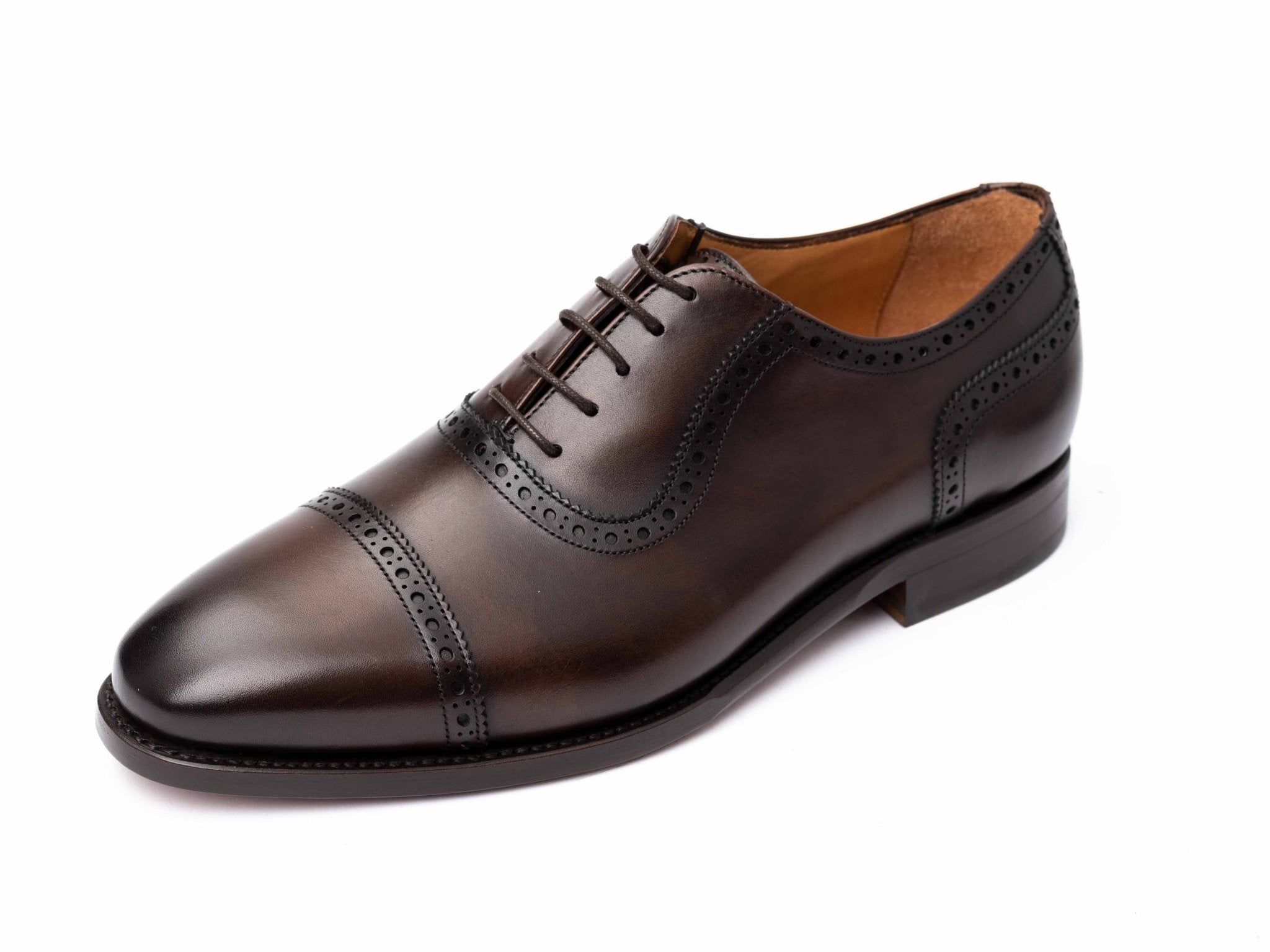
−20% with code CROCKETPunched Oxford men's shoe in dark brown, front viewPunched Oxford men's shoe in dark brown, front view
Punched Oxford men's shoe in black, front viewPunched Oxford men's shoe in black, front view
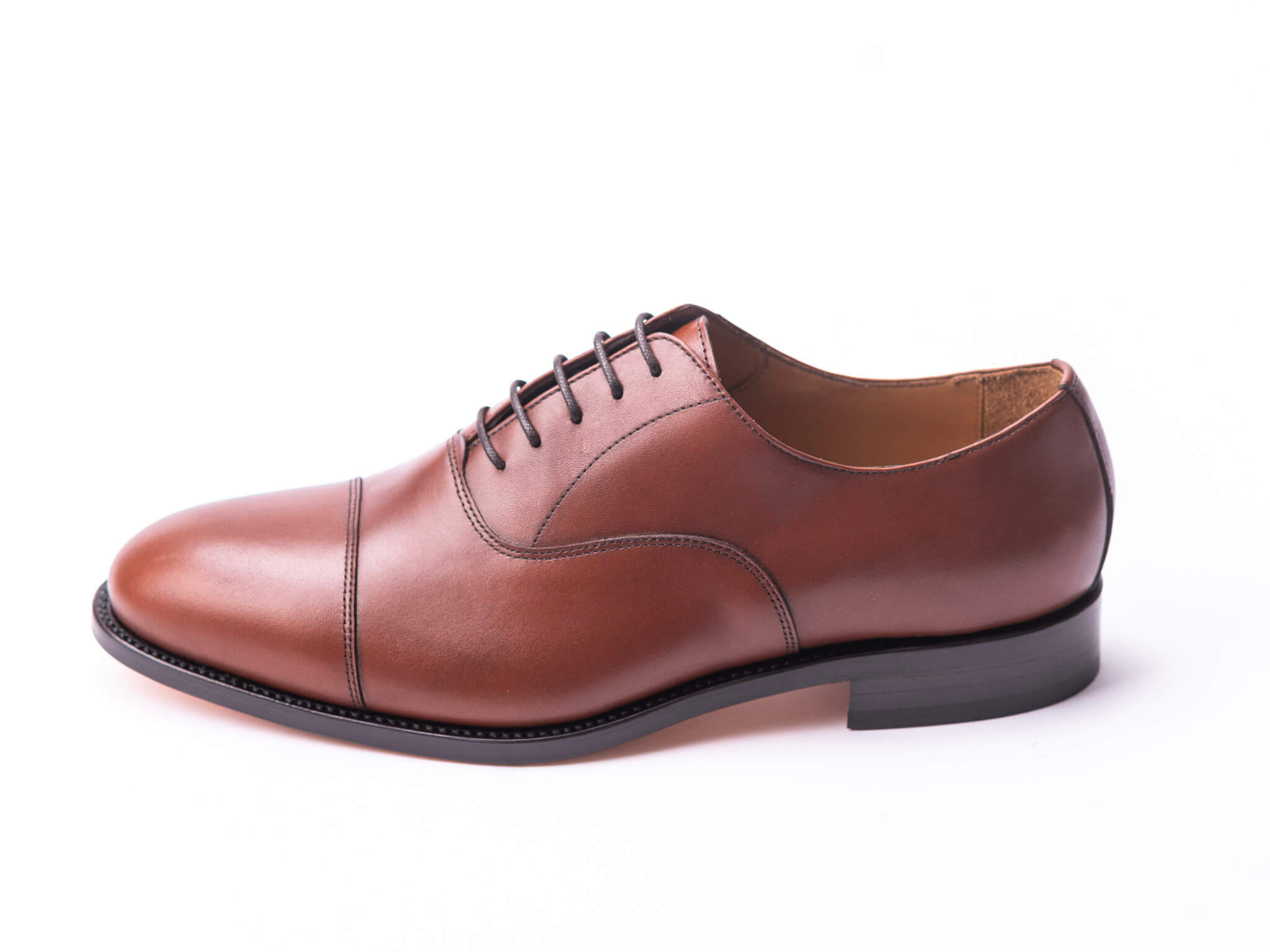
−20% with code CROCKETMen's Plain Oxford shoe in Cognac, front viewMen's Plain Oxford shoe in Cognac, front view
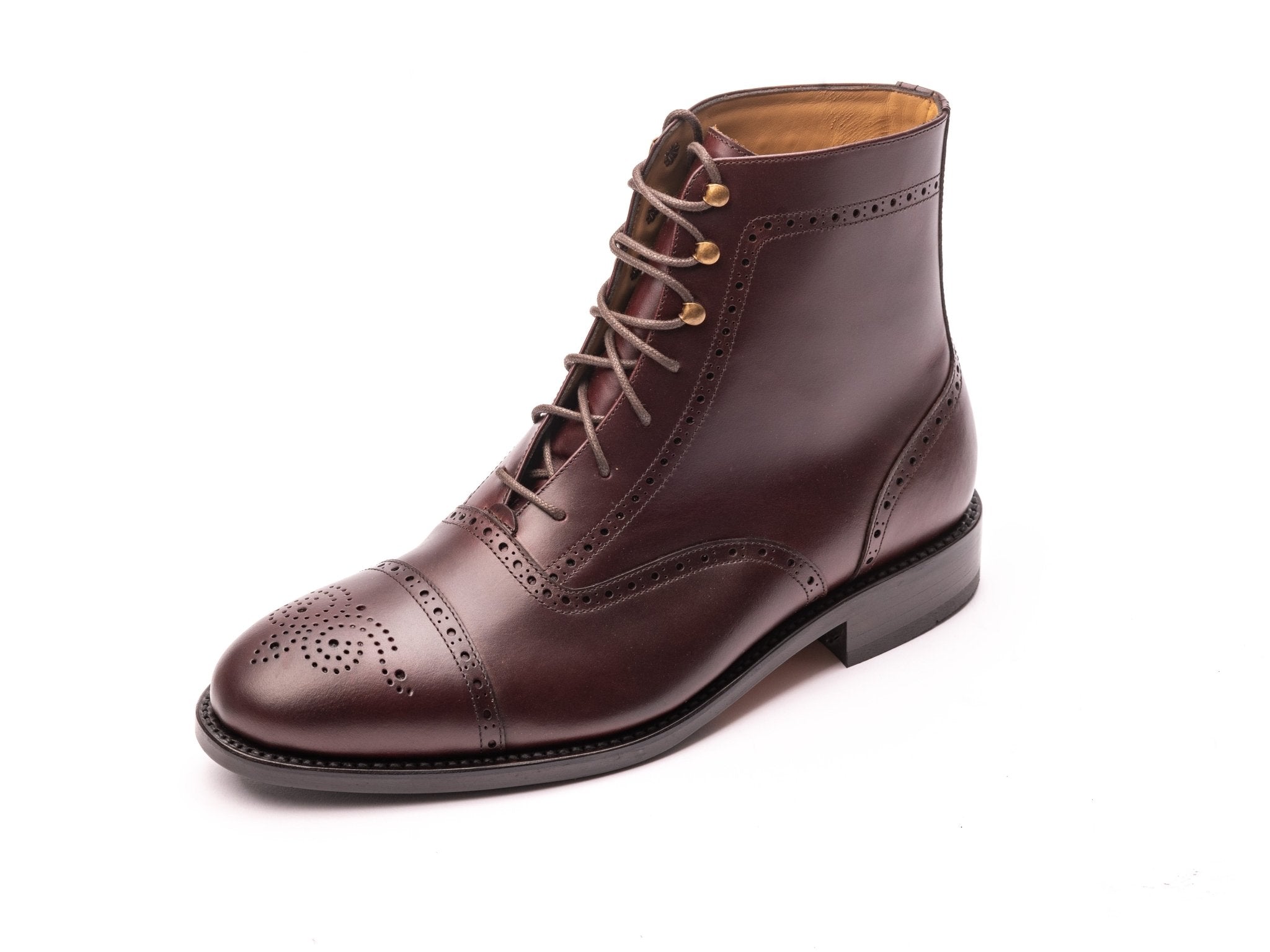
−20% with code CROCKETMen's Punched Oxford boots in brown, front viewMen's Punched Oxford boots in brown, front view
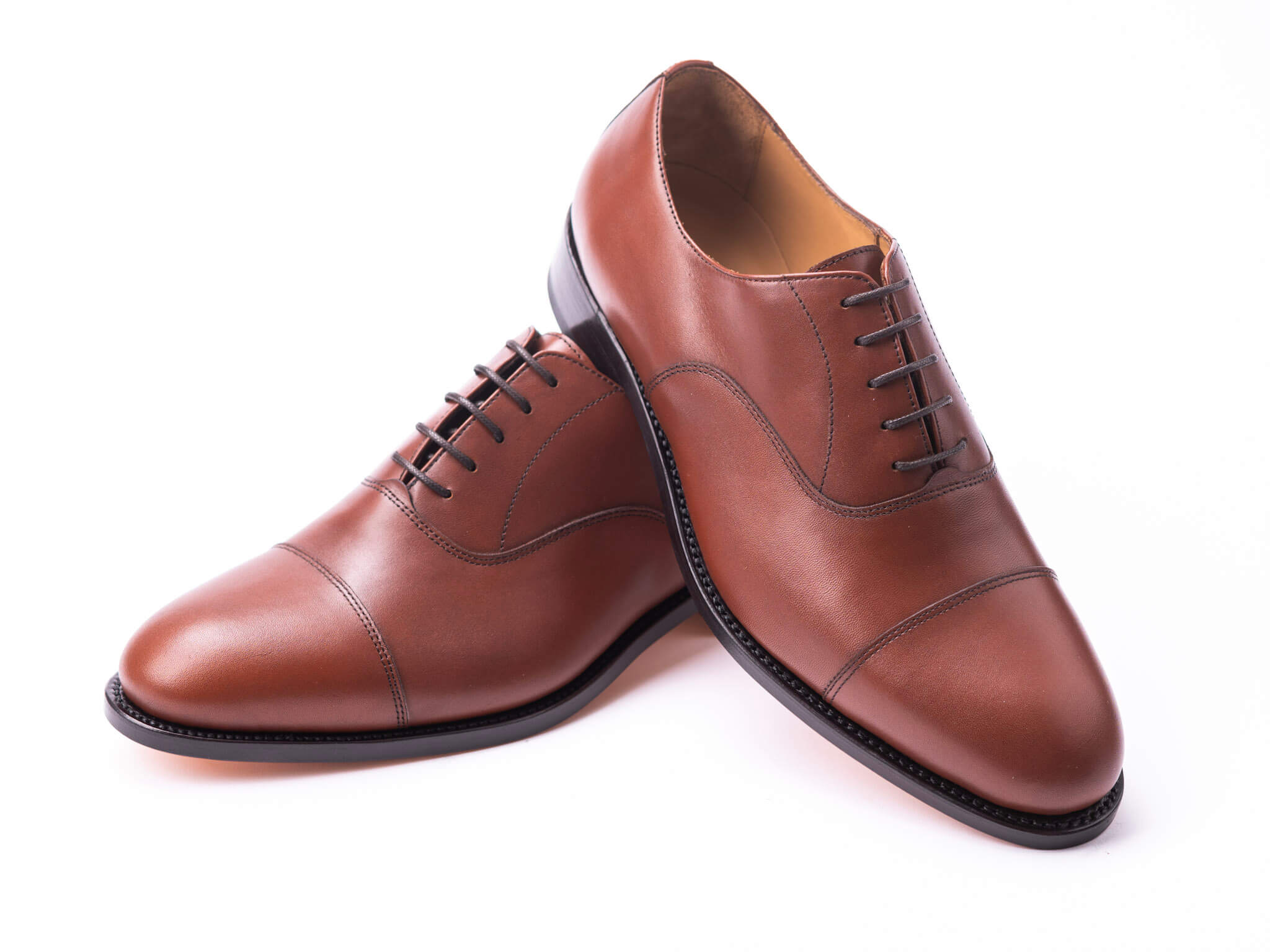
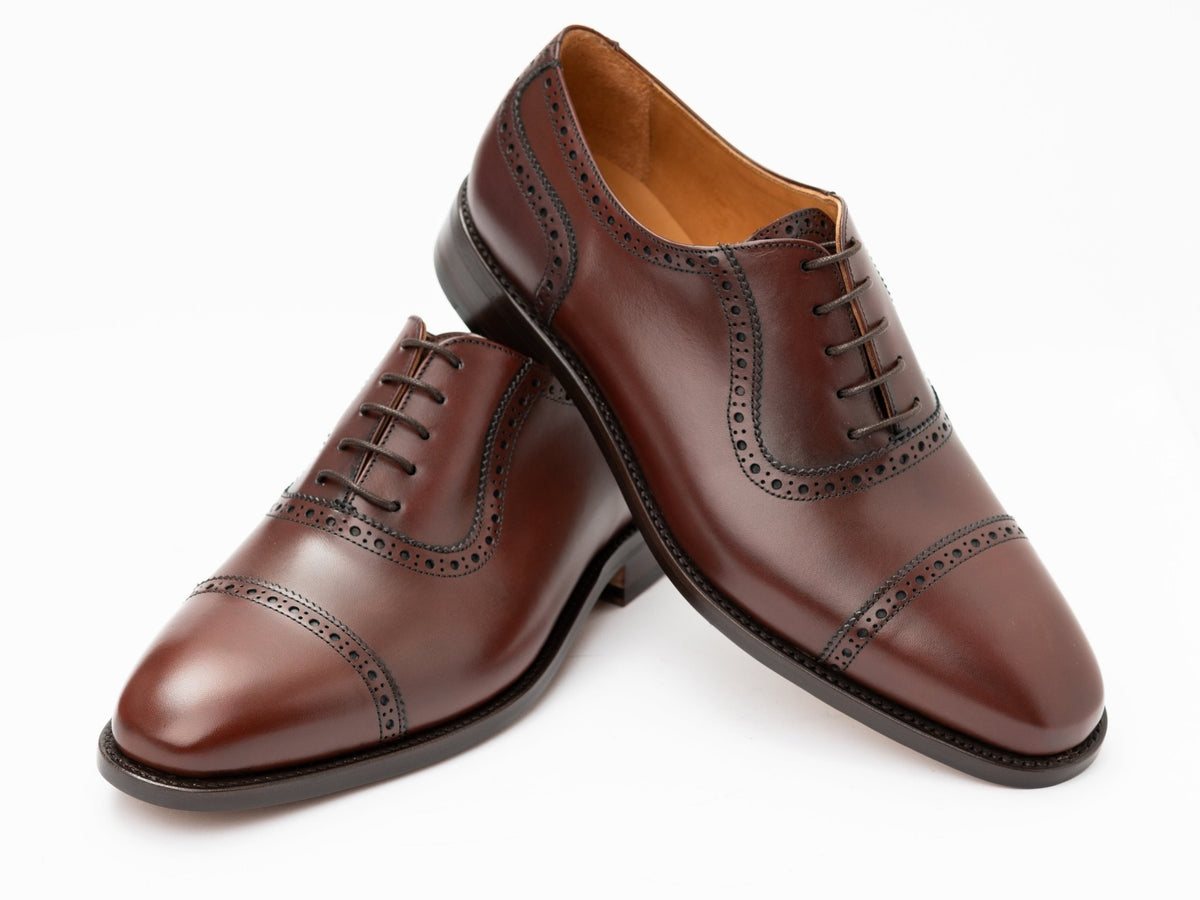
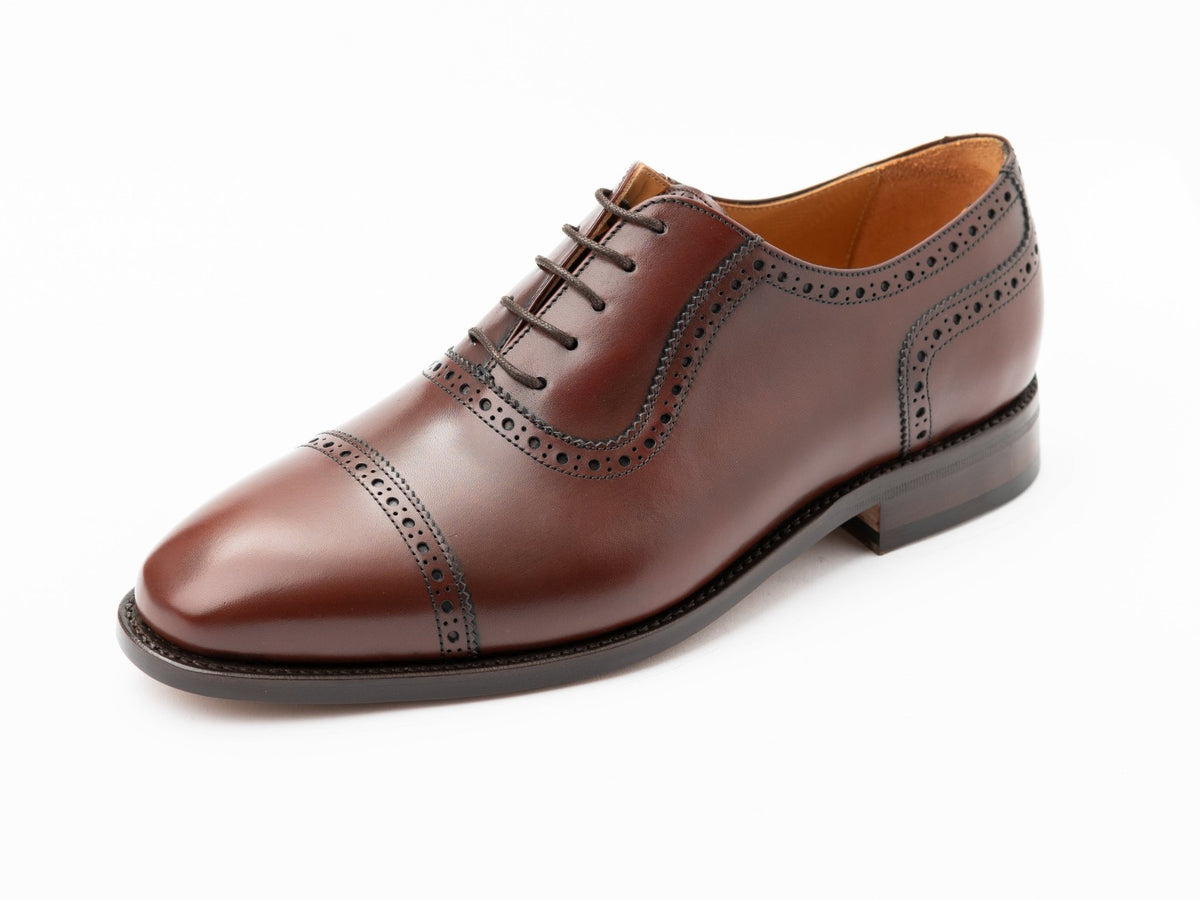
−20% with code CROCKETPunched Oxford in Burgundy, pair of shoes laid one on top of the other, with punched toe cap – John CrocketPunched Oxford in Burgundy: side view of the lace-up shoe with punching along the toe cap seam – John Crocket

What makes a good Oxford shoe?

The Oxford is the lace-up shoe with closed lacing. Its two quarters are stitched beneath the vamp and, once laced, meet with almost no gap. On a Derby it is the other way round: the quarters are stitched on top of the vamp and can be opened wide. This closed construction gives the Oxford a clean, quiet line. That is why it is regarded as the more formal of the two lace-ups and as the classic shoe to wear with a suit, at the office as well as on formal occasions.

Broguing, on the other hand, is decoration, not a type of lacing. A semi-brogue comes with either closed or open lacing, and only the closed version is an Oxford.

Key features: what to look for when buying

  • Lacing that closes neatly. Once laced, the quarters should leave only a narrow gap. If they gape wide apart, the shoe is too tight over the instep. With a high instep or a wide foot, a Derby is often the better choice, because its open lacing allows more room.
  • A restrained toe cap. The less decoration, the more formal the shoe. On the cap toe Oxford, which we list as the Plain Oxford, the straight seam across the toe is the only ornament. On the Punched Oxford, a row of perforations runs alongside this cap seam.
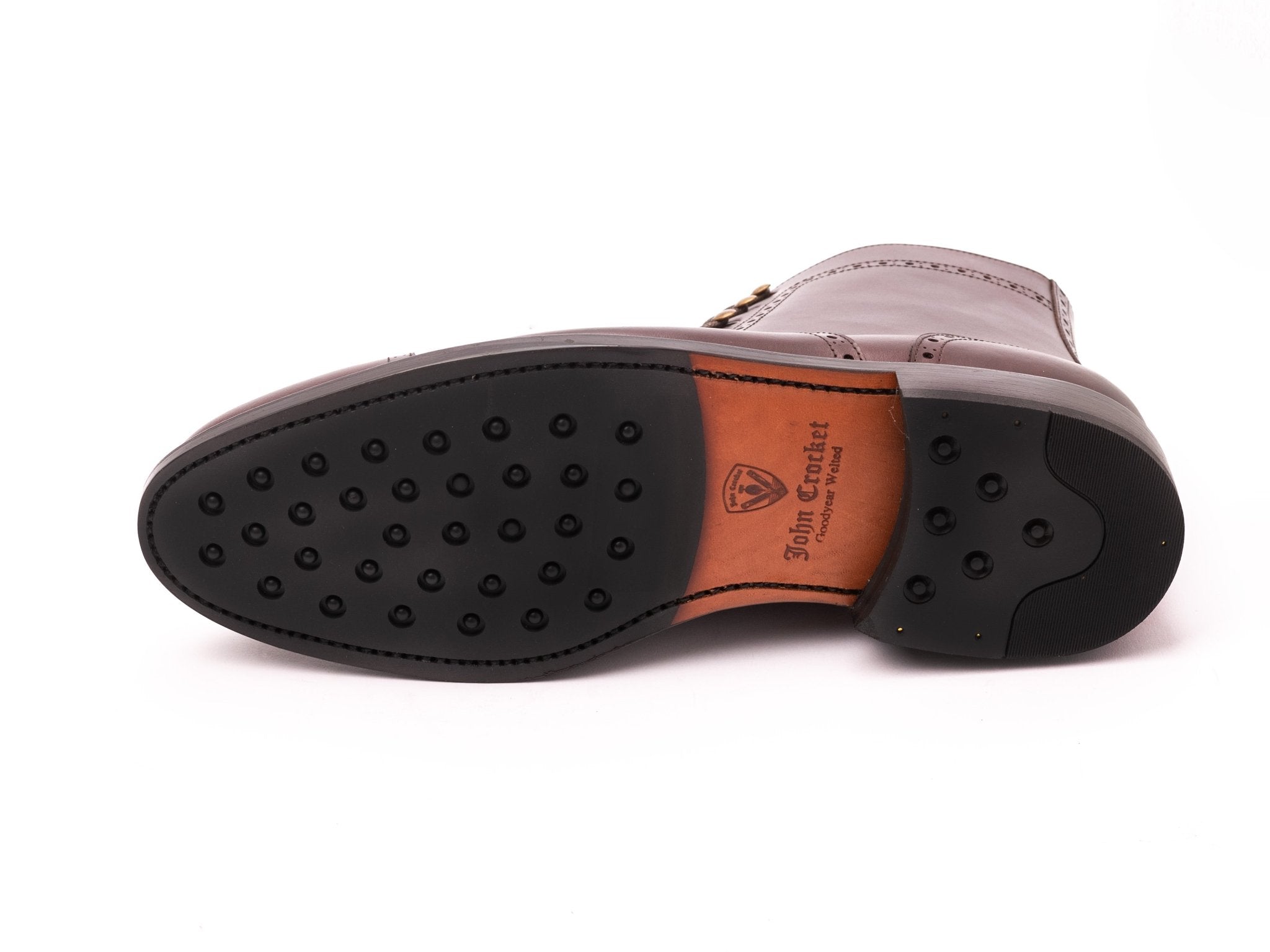
  • Goodyear-welted construction. A narrow strip of leather, the welt, is stitched to the upper and insole, and the outsole is stitched to the welt. This lets a cobbler renew the sole without damaging the upper.
  • Cork in the base. A layer of cork lies between the insole and outsole. Over time it forms a footbed that follows the shape of your own foot.
  • Firm leather. Creases form across the vamp, where the foot flexes as you walk. Firm leather and shoe trees keep them to a minimum.

Our Oxford shoes are Goodyear-welted in Spain from vegetable-tanned cowhide sourced from European tanneries, with a leather lining and cork filling. They have a leather sole with a rubber section in the heel. Alongside them are brogued lace-up boots for autumn and winter, with closed or open lacing depending on the model. You will find all other styles under Goodyear-welted shoes.

→ With open lacing and more room over the instep: Derby shoes

→ With wing caps and broguing: Brogues

→ Construction, soles and care in our Shoe Lexicon

FAQ

What is the difference between an Oxford and a Derby?
The lacing. On an Oxford the quarters are stitched beneath the vamp, so the lacing is closed. On a Derby they are stitched on top and can be opened further. This makes the Oxford look cleaner and more formal, while the Derby allows more room over the instep and also goes with a sports jacket and tailored trousers.
Is a Budapester an Oxford?
Not necessarily. Oxford and Derby describe the lacing, brogue describes the pattern of perforations. In German, 'Budapester' mainly means the full brogue, with a curved wing cap and perforations along the edges of the toe cap, vamp and heel counter. Every brogue style comes with both closed and open lacing, and only the closed version is an Oxford.
What is the difference between the Plain Oxford, the cap toe Oxford and the Punched Oxford?
Technically, our Plain Oxford is a cap toe Oxford: it has a straight cap across the toe, and the seam of that cap is its only decoration. Strictly speaking, 'Plain Oxford' refers to an Oxford with no cap at all. Compared with the Punched Oxford, the cap toe Oxford is the simpler and more formal style. On the Punched Oxford, a row of perforations runs alongside the cap seam. It remains formal enough for a suit and the office, but looks a little less severe.
How should an Oxford fit?
New shoes should fit snugly without pinching. If a wide gap remains between the quarters even when they are laced tightly, a Derby is the better choice. It is best to try shoes on in the afternoon, when your feet are at their largest. Our shoes come up large: for the low-cut Oxfords we usually recommend half a size smaller, and for the boots in this collection a whole size smaller.
What do you wear Oxford shoes with?
With a suit, at the office and on formal occasions. A plain cap toe Oxford works less well with a sports jacket and tailored trousers or with jeans, because a very formal shoe looks out of place with casual trousers. With these, a Derby, a brogue or boots are the more natural choice. A high-shine leather Oxford is also appropriate with a dinner jacket.
How do I look after Oxford shoes?
After wearing, put cedar shoe trees in. Then let the pair rest for at least a day. Regular brushing and a little shoe cream are all the everyday care they need. Let wet shoes dry at room temperature, never on a radiator, otherwise the leather becomes brittle.
Can Oxford shoes be resoled?
Yes, that is the advantage of Goodyear welting. The outsole is stitched to the welt and is not attached directly to the upper. A cobbler can therefore remove it and stitch on a new sole, while the upper is preserved.
Powered by Omni Themes