What Is Harris Tweed?
Not every tailor loves this fabric, as it is considerably harder to work with than a soft merino wool. Harris Tweed stands up to wind and weather. When others are already reaching for a coat, the wearer of Harris Tweed reaches only for a scarf. Tweed fabrics often last up to three lifetimes.
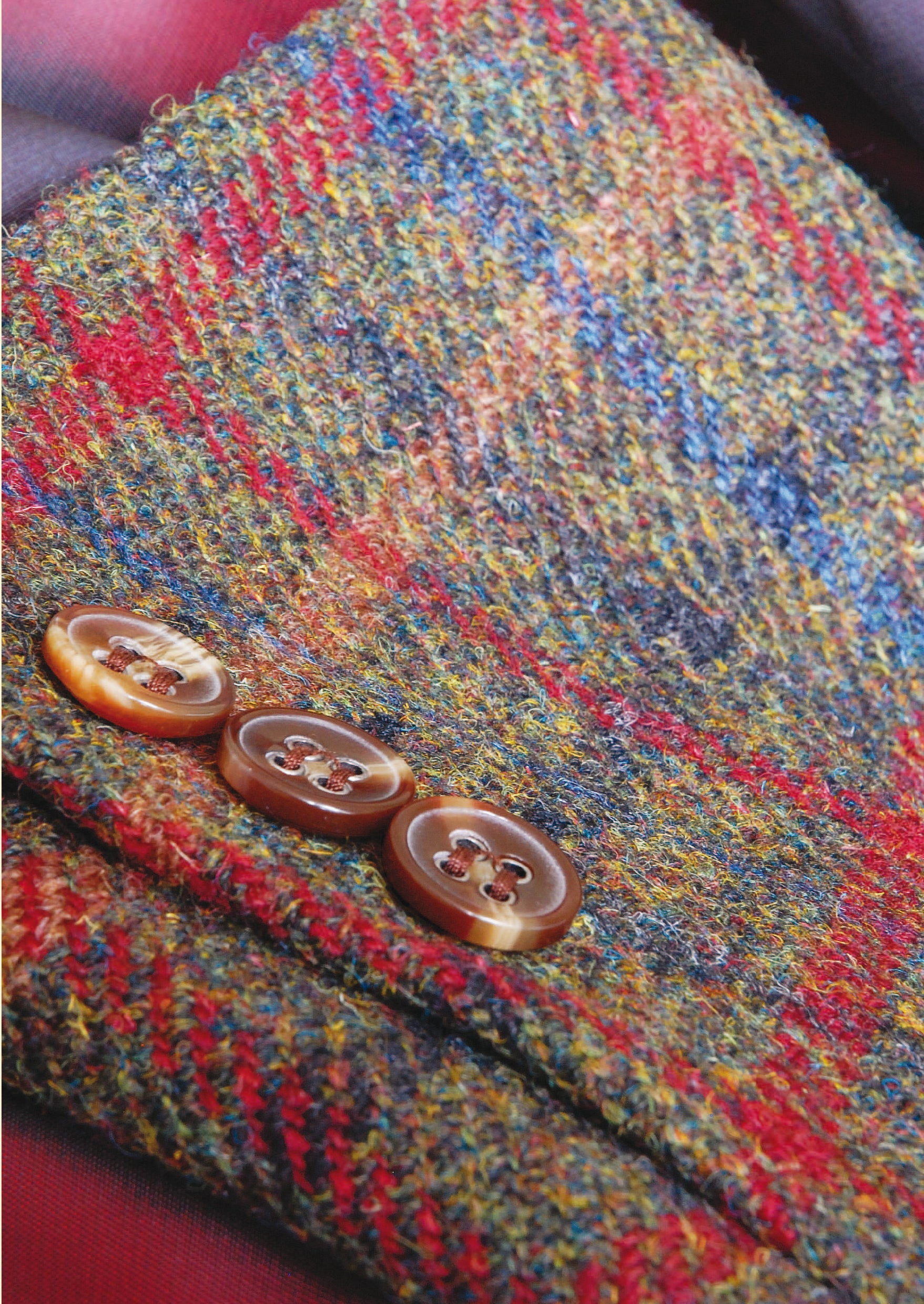
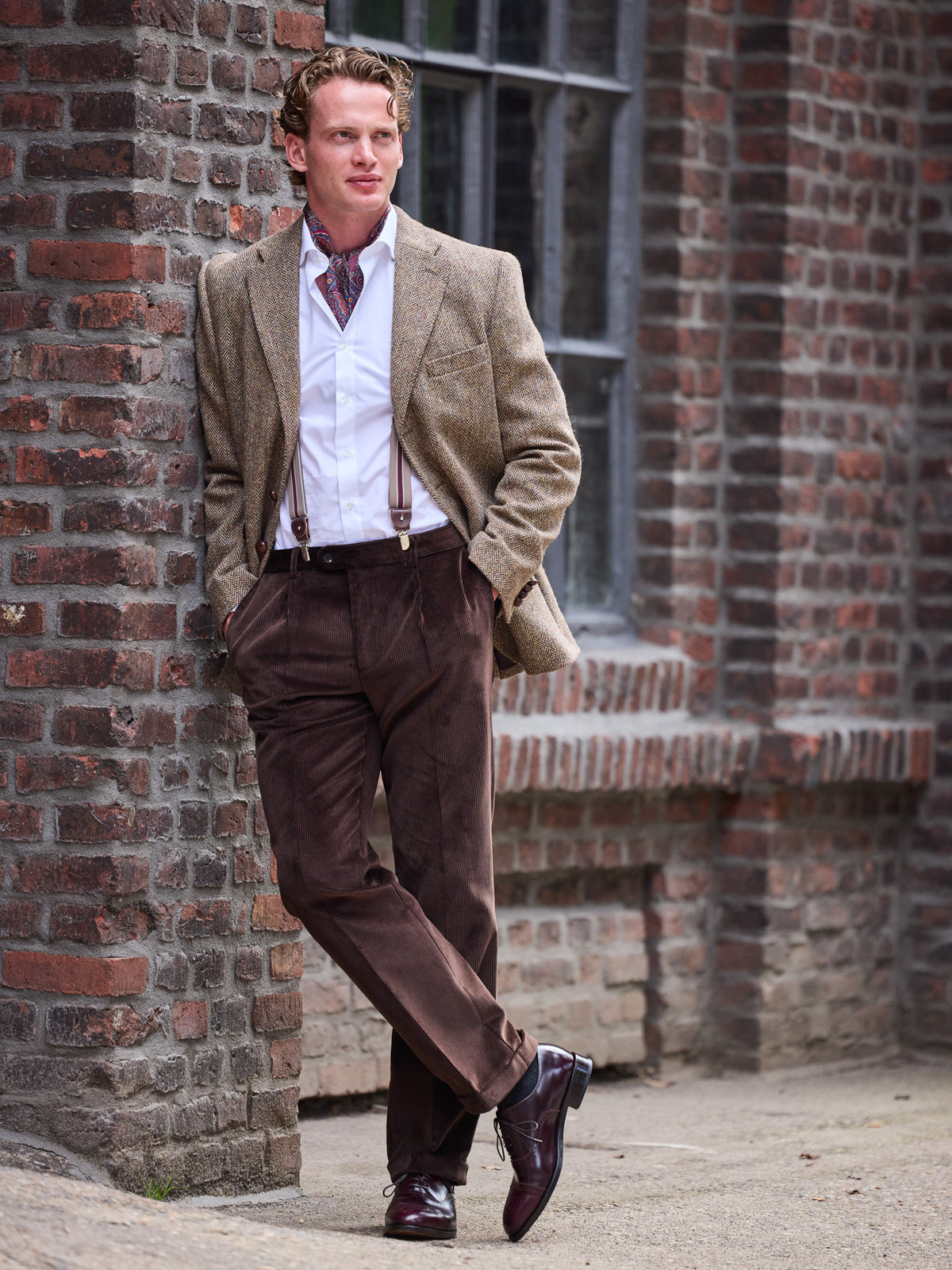
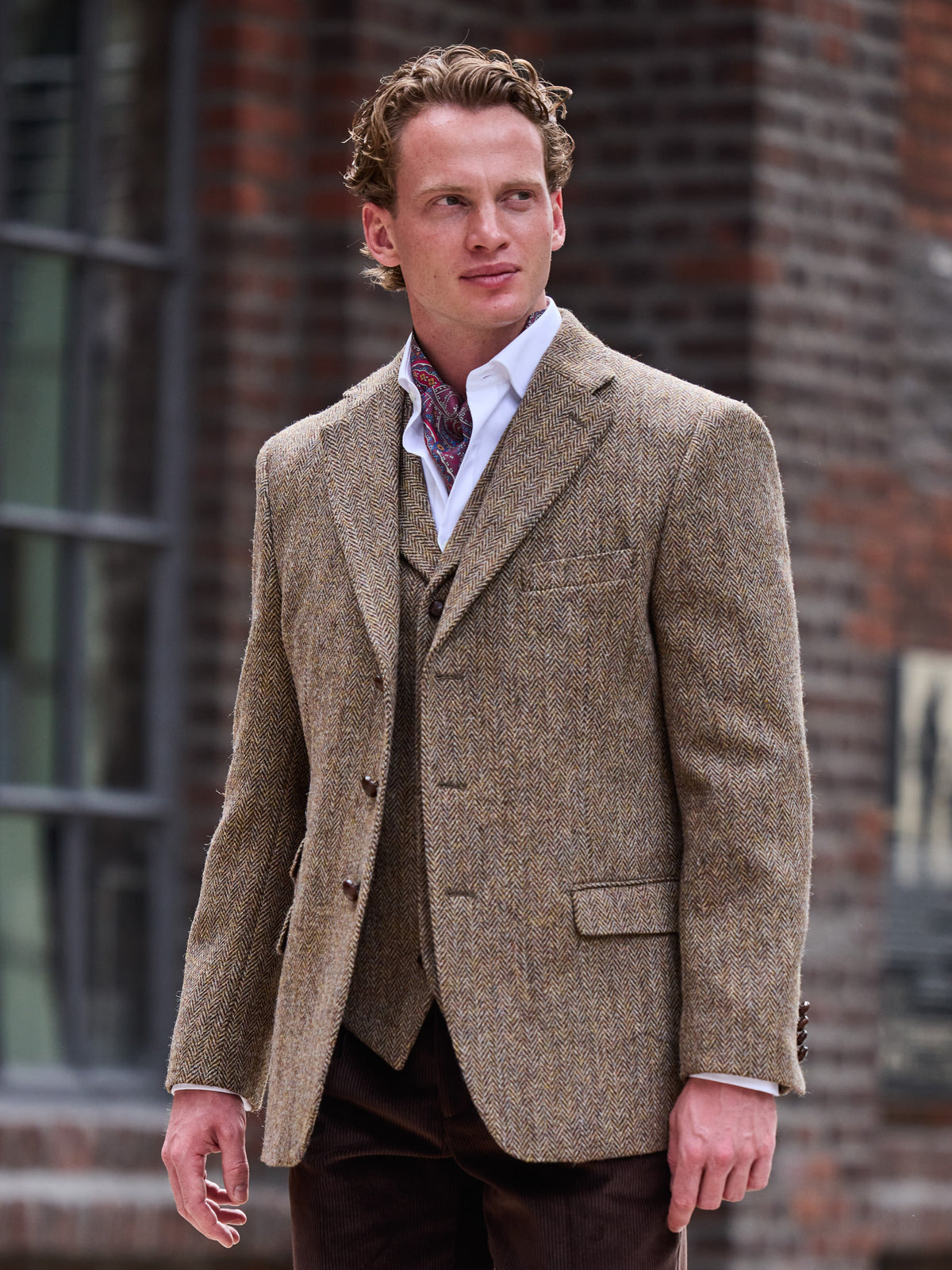
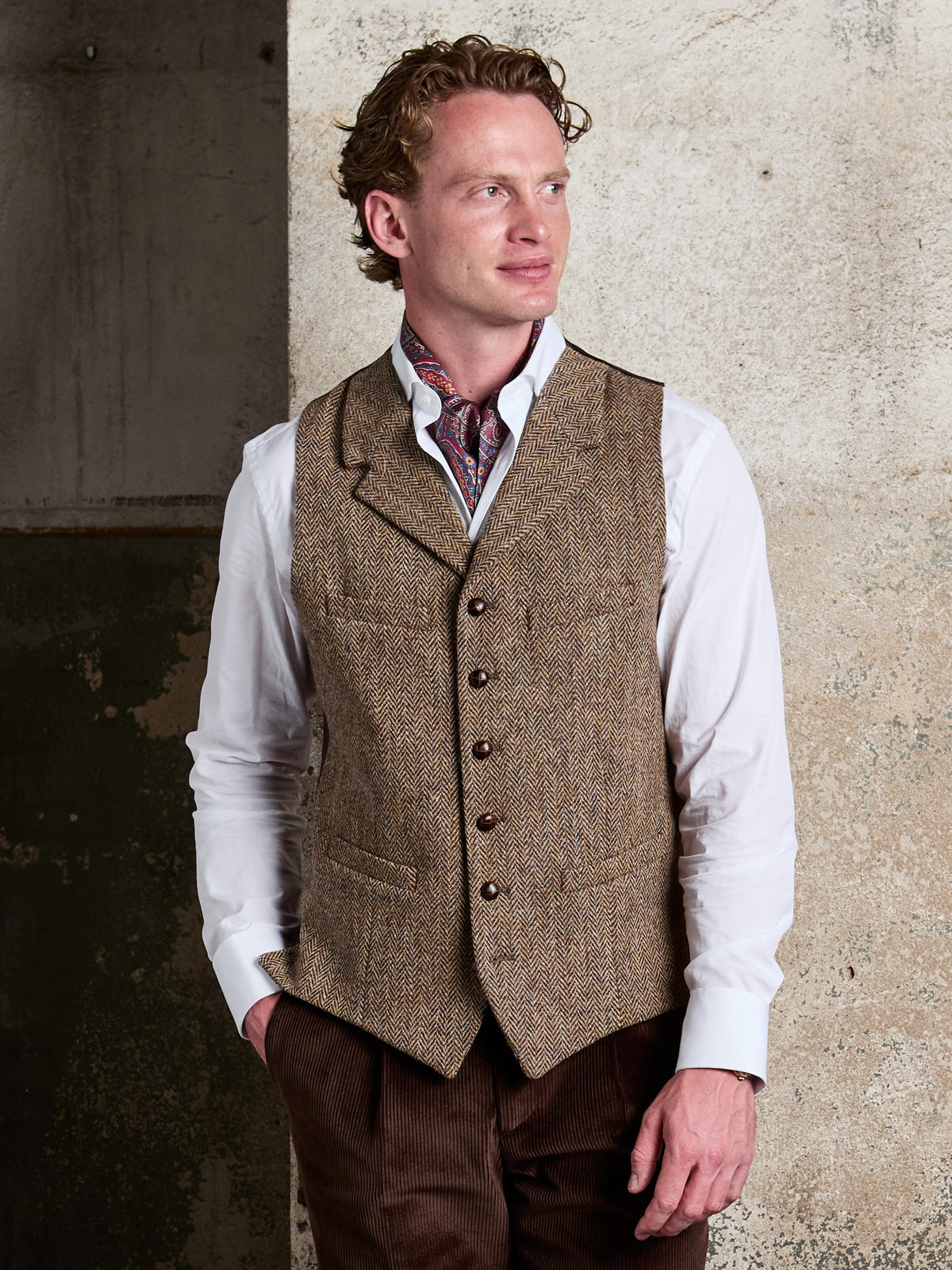
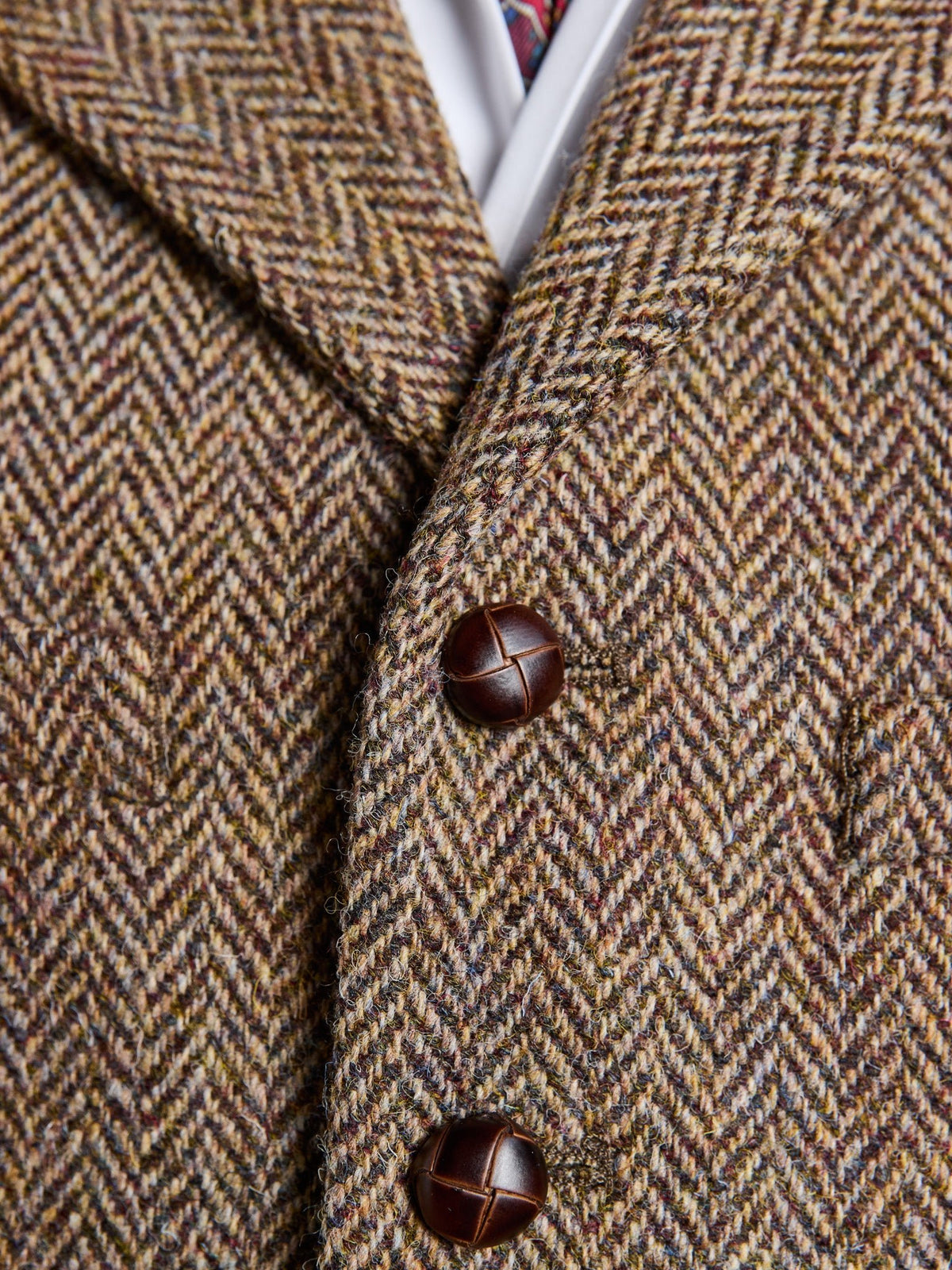
A distinctive feature of Harris Tweed is that the wool is dyed before it is spun into yarn. This makes it possible to create particularly complex colours, which are then finished with subtle but characteristic patterns. Besides the longevity of the colourful cloth, Harris Tweed also places great importance on warmth and breathability. At John Crocket, Harris Tweed is used mainly in tweed jackets and waistcoats and in tweed caps.
The Harris Tweed Story
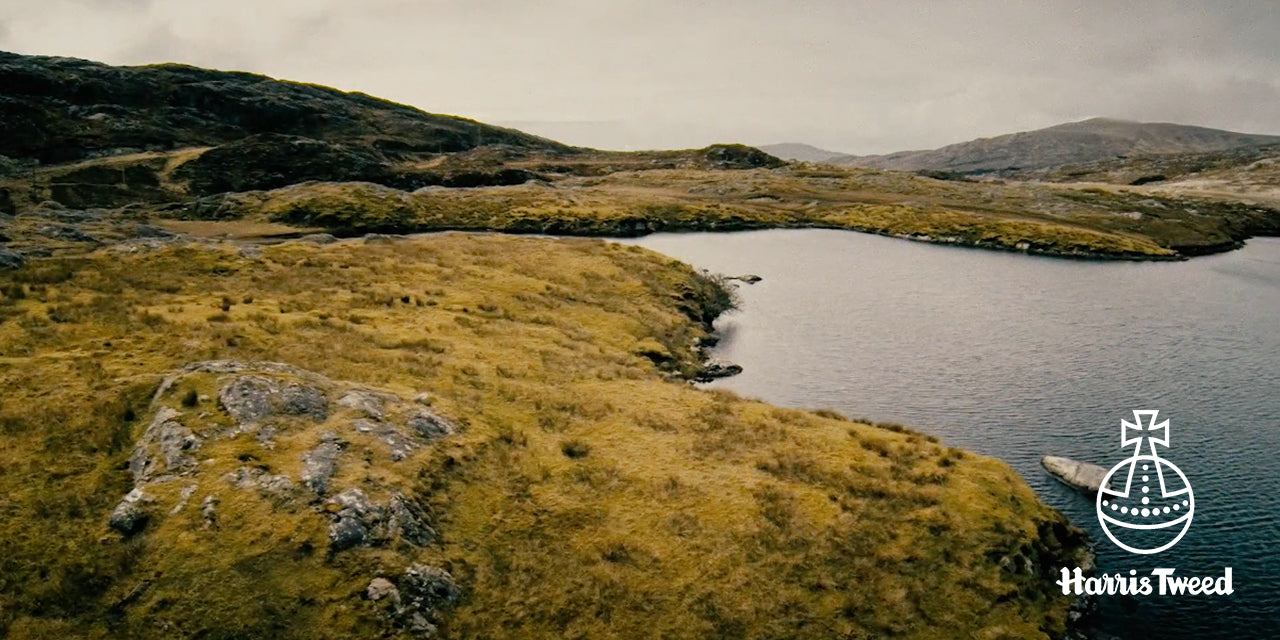
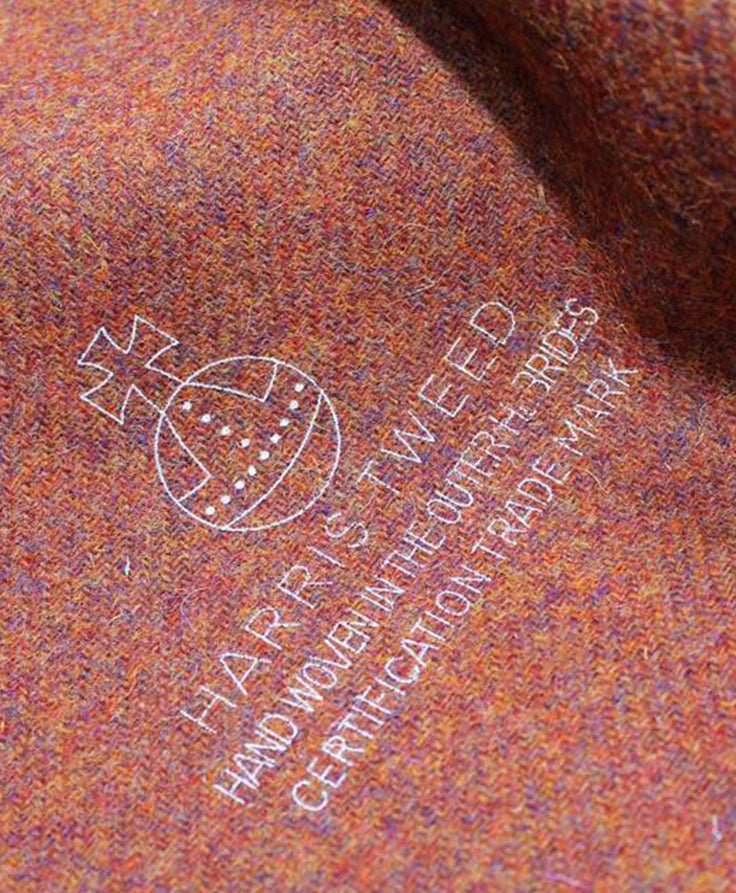
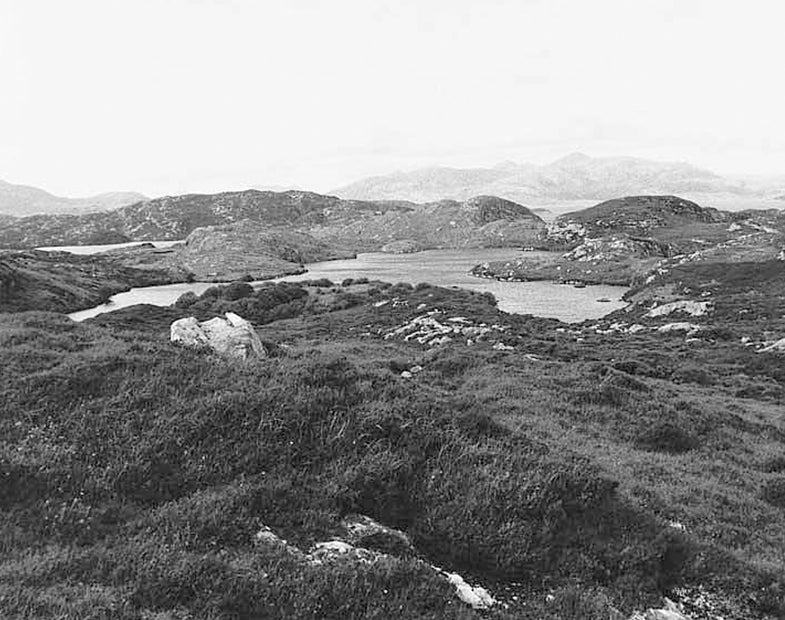
Harris Tweed comes only from the Outer Hebridean islands of Harris, Lewis, Uist and Barra. The Harris Tweed Association was founded in 1909 and was the predecessor of today’s Harris Tweed Authority. Its trademark is the famous orb with the Maltese cross. To this day, Harris Tweed is the only fabric protected by law (an Act of Parliament). The law states that the tweed must be made from 100% pure new wool.
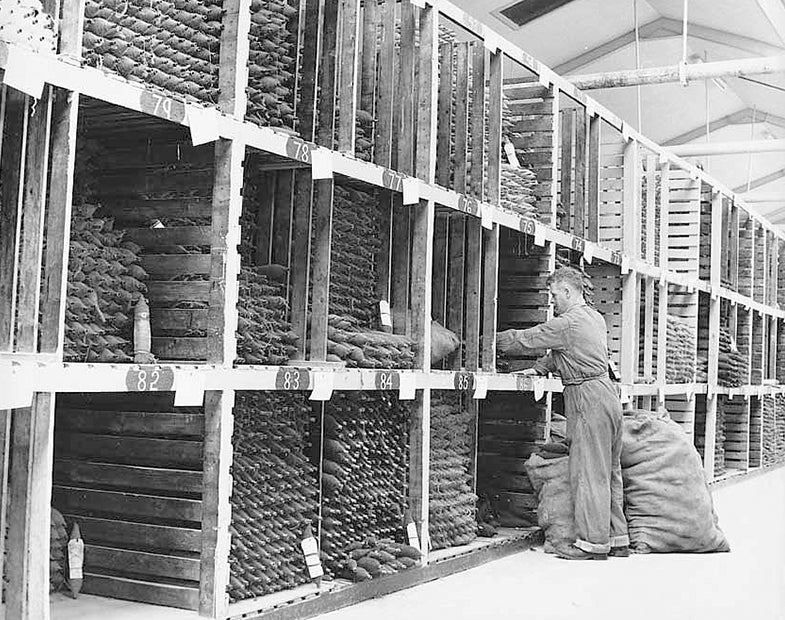
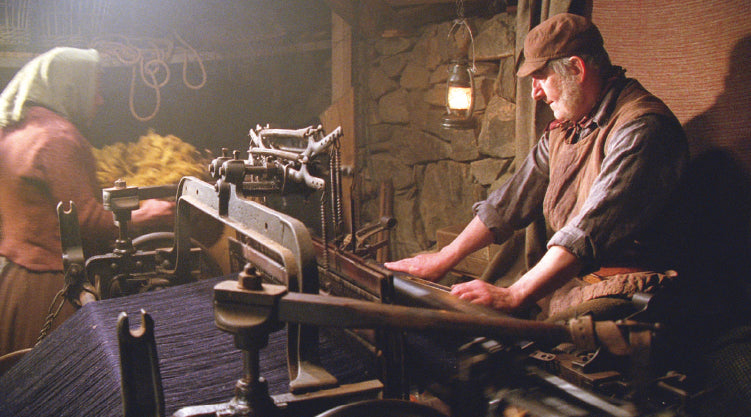
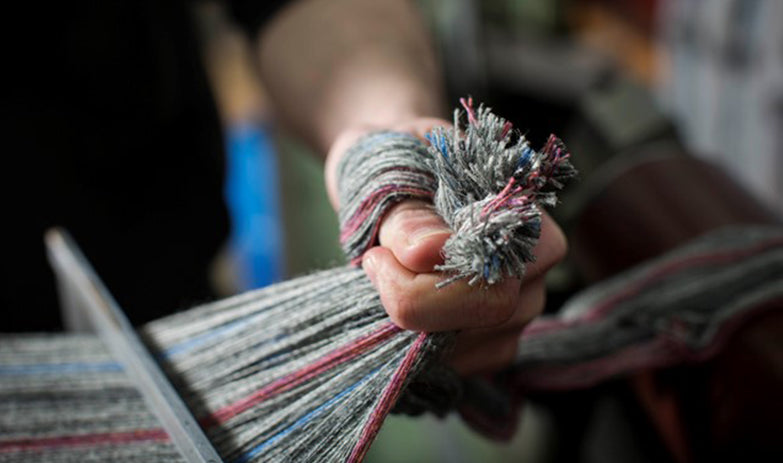
The tweed must be dyed and spun on the islands and woven on hand-operated looms in the islanders’ homes. Only then does it receive the Harris Tweed Authority seal, which is applied by hand. After that it may leave the islands by ferry, and because of the frequent storms this can sometimes be delayed by one or two weeks. The Harris Tweed can then be made up into tweed suits, tweed jackets and tweed waistcoats.

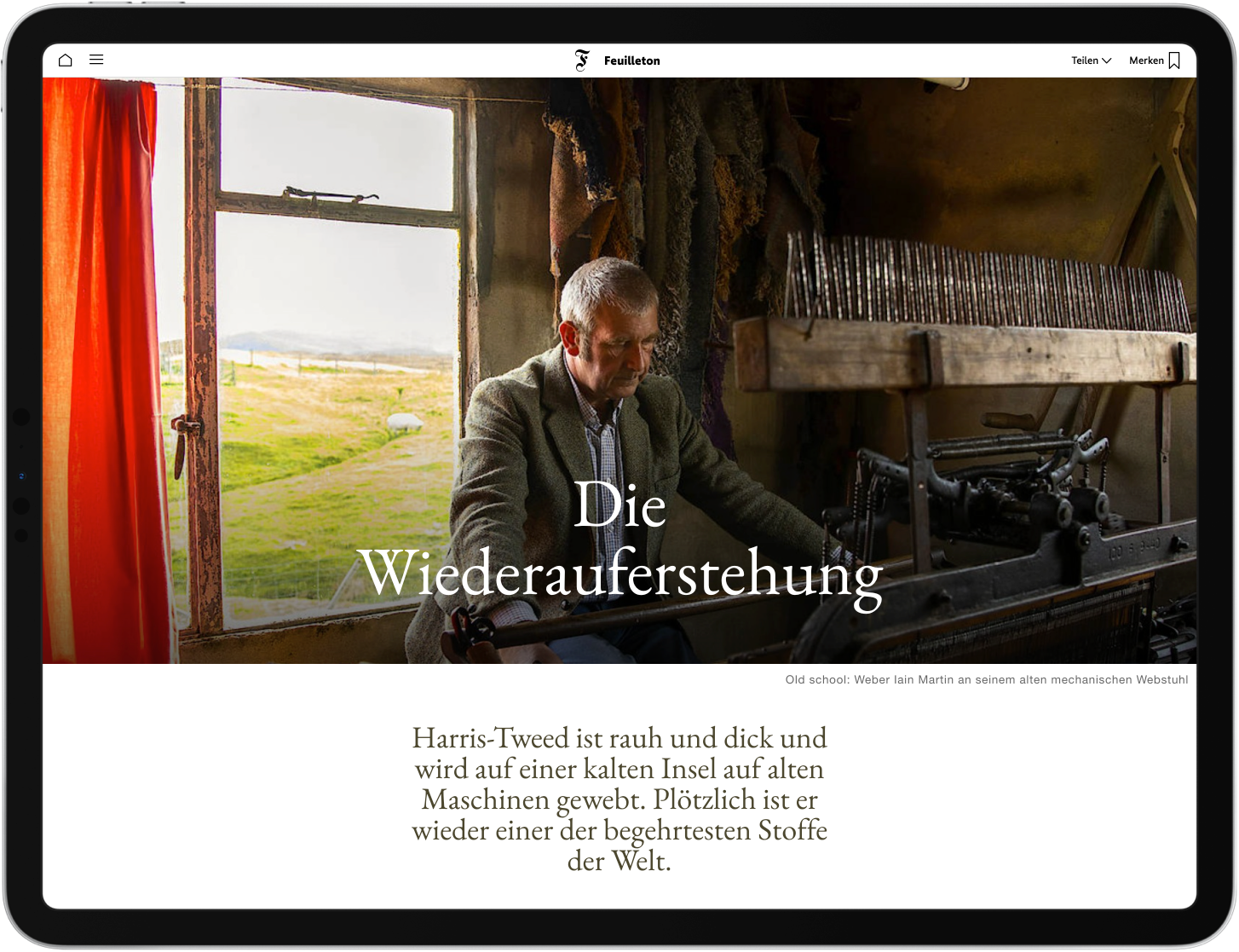
Video About Harris Tweed
Tweed at John Crocket
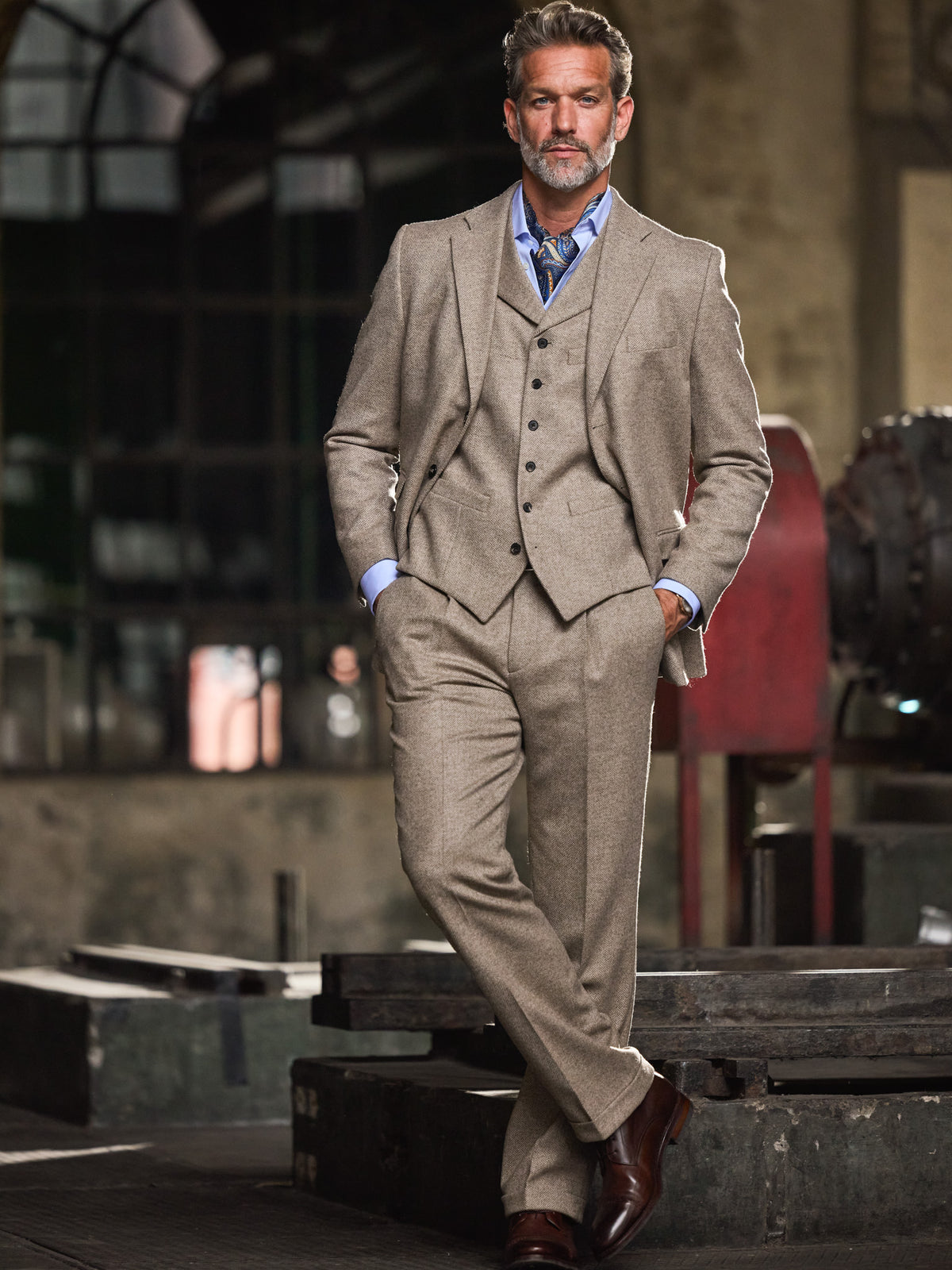
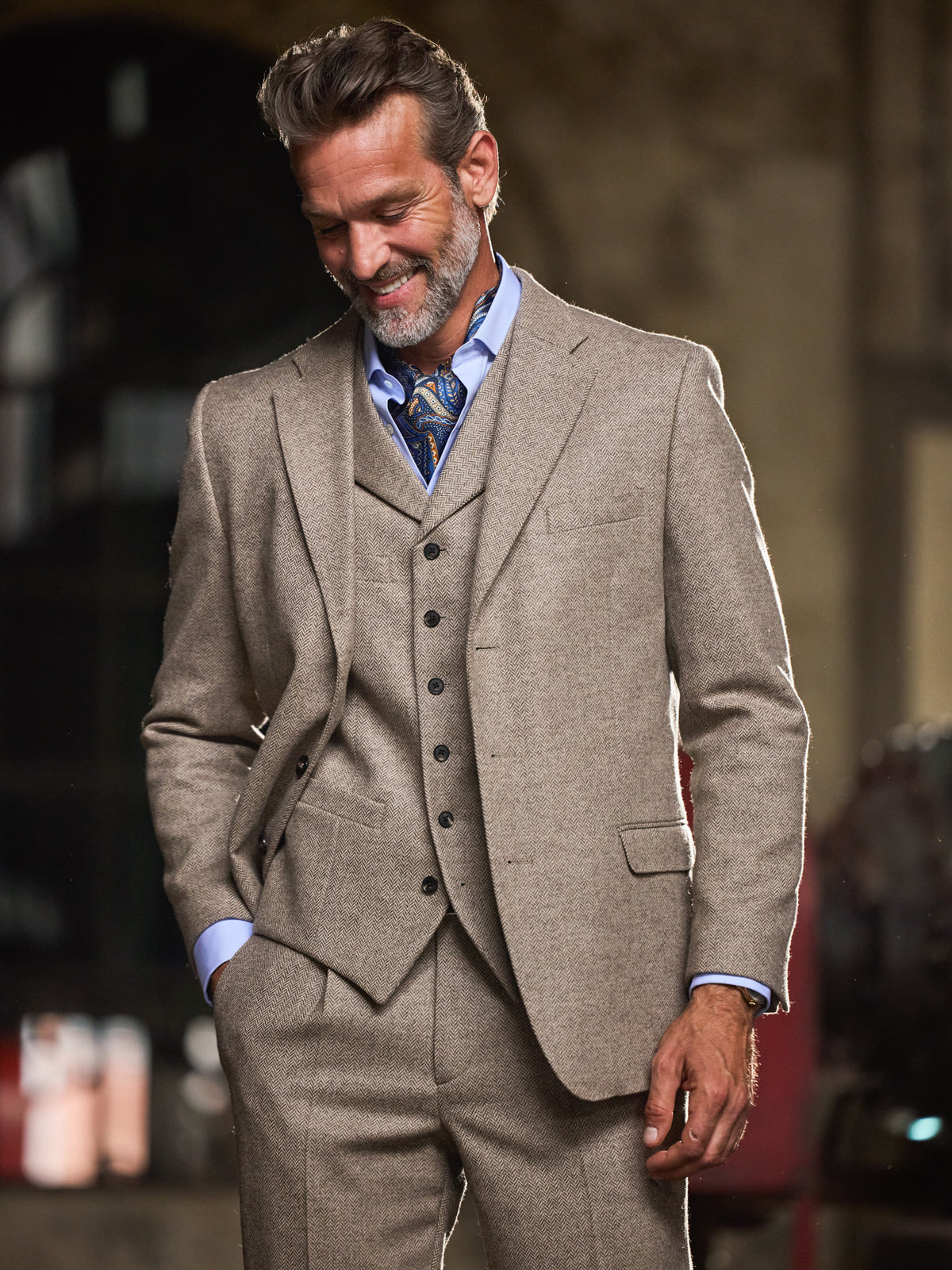
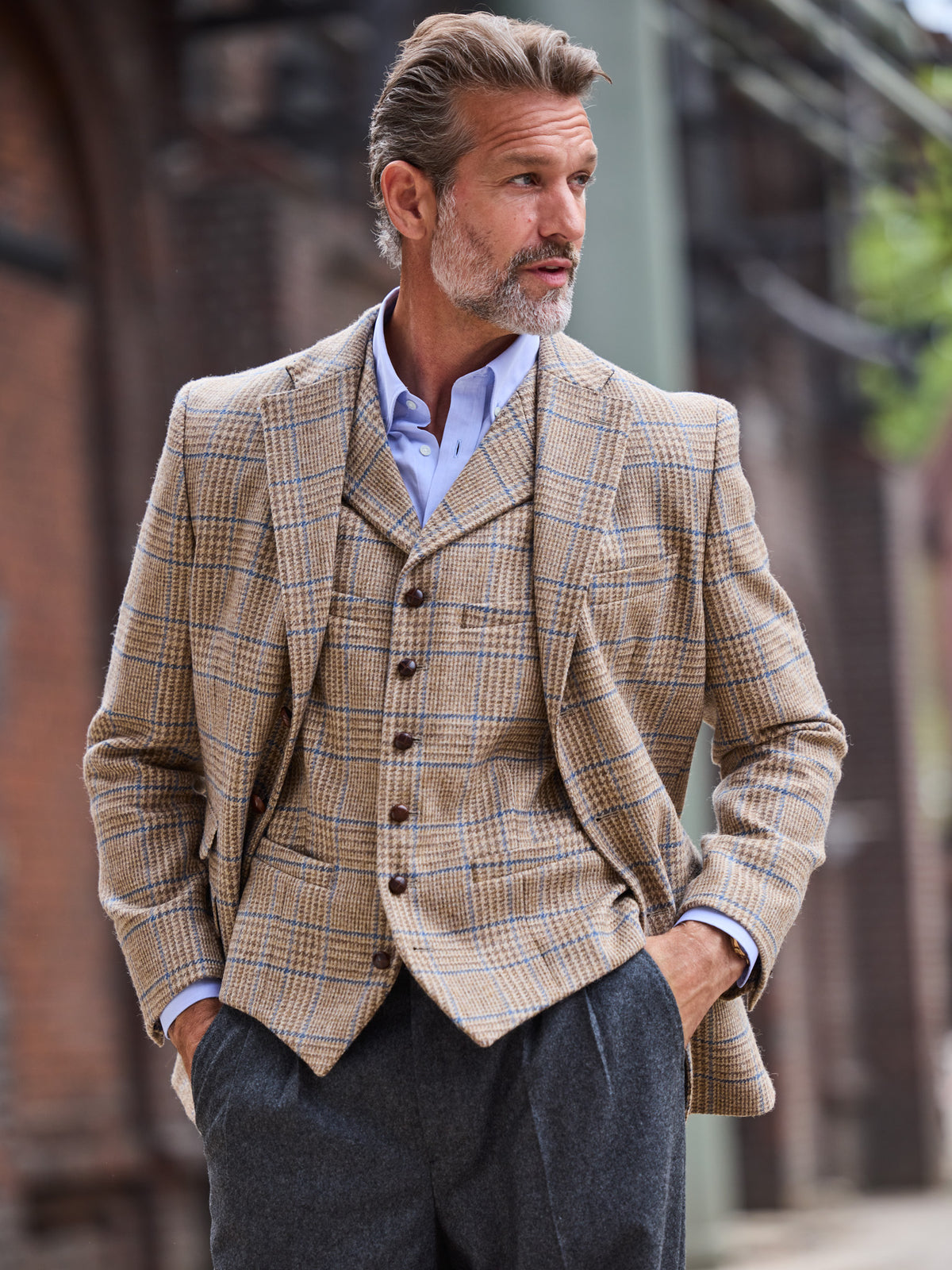
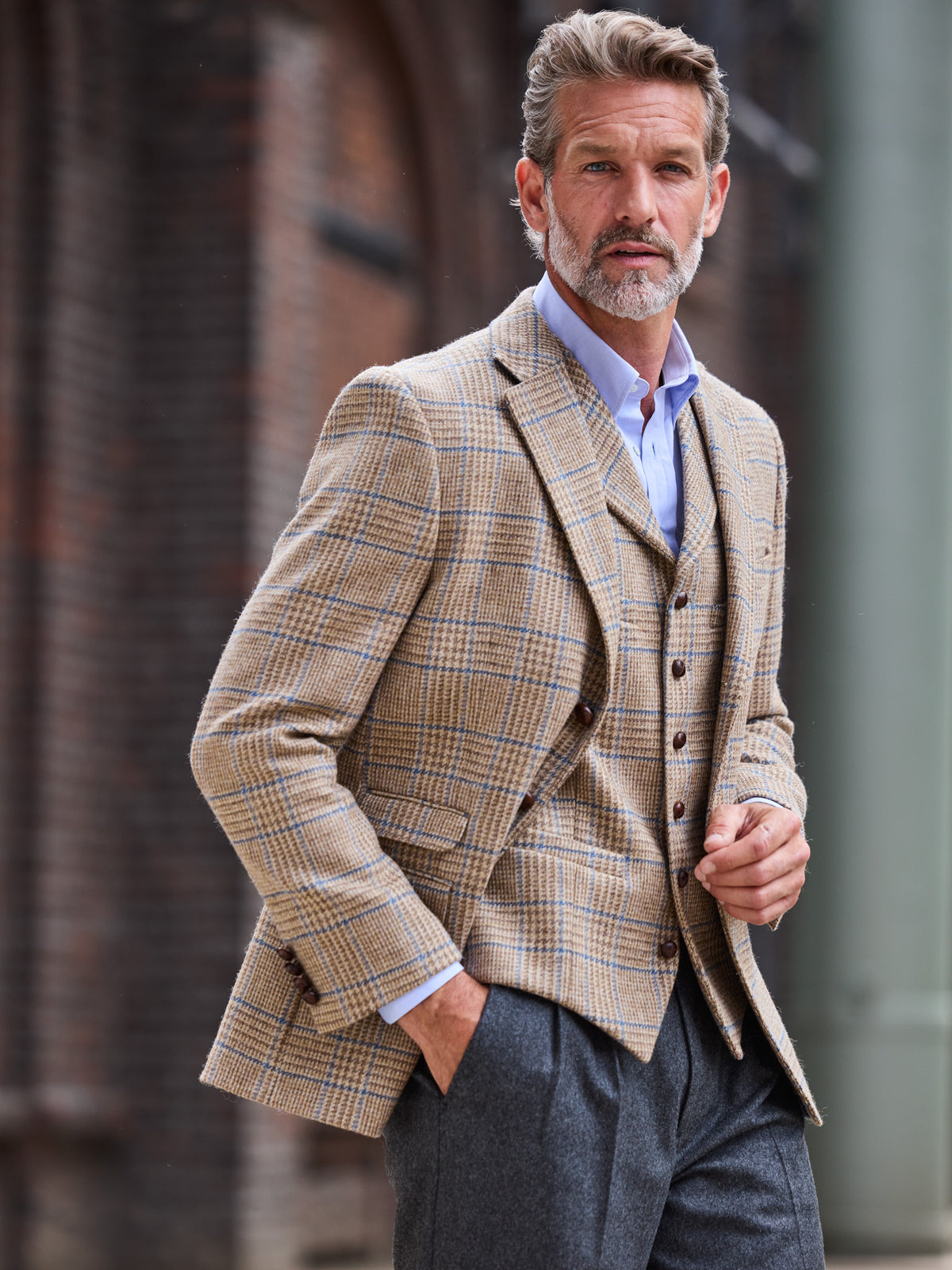
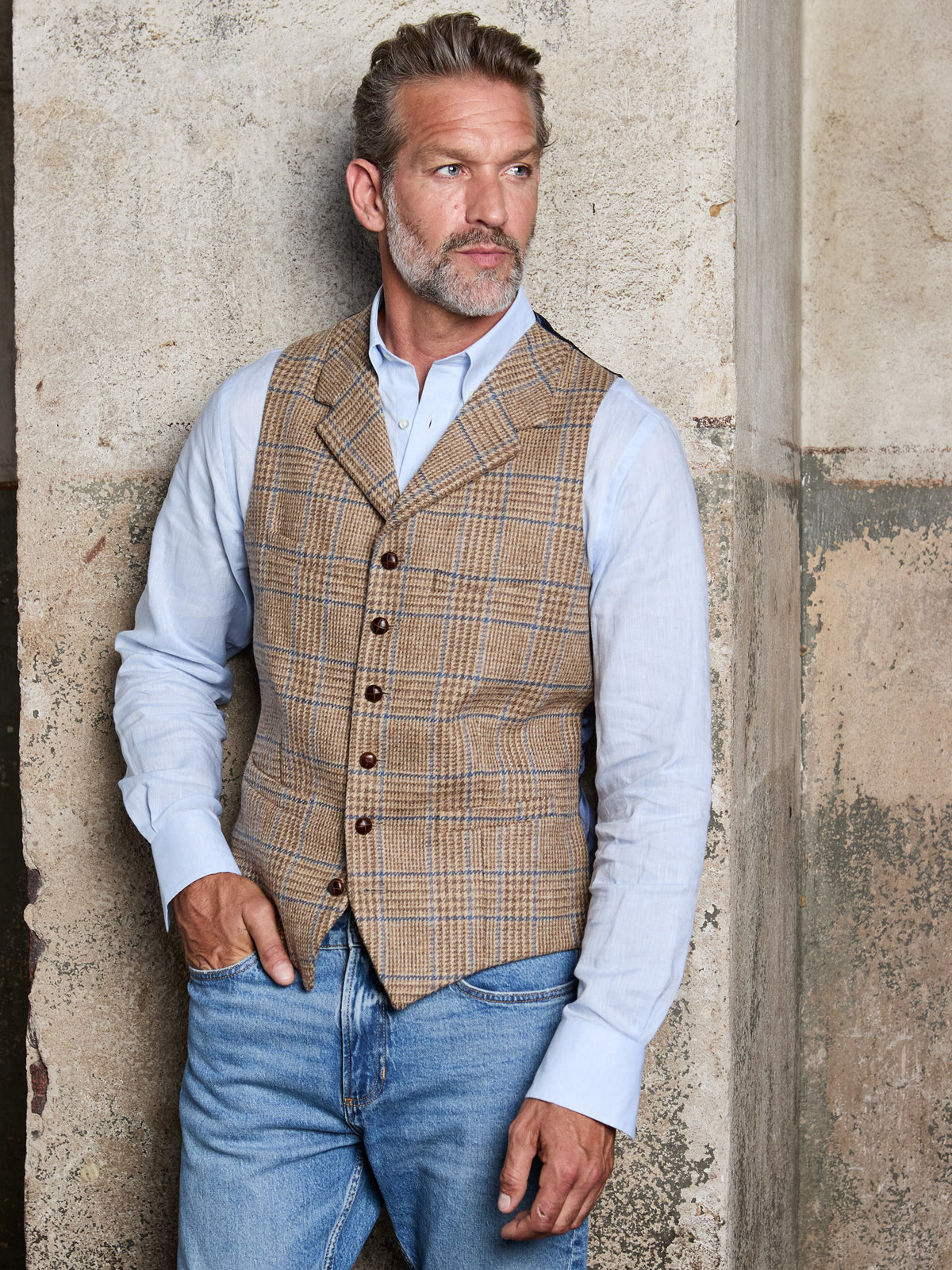
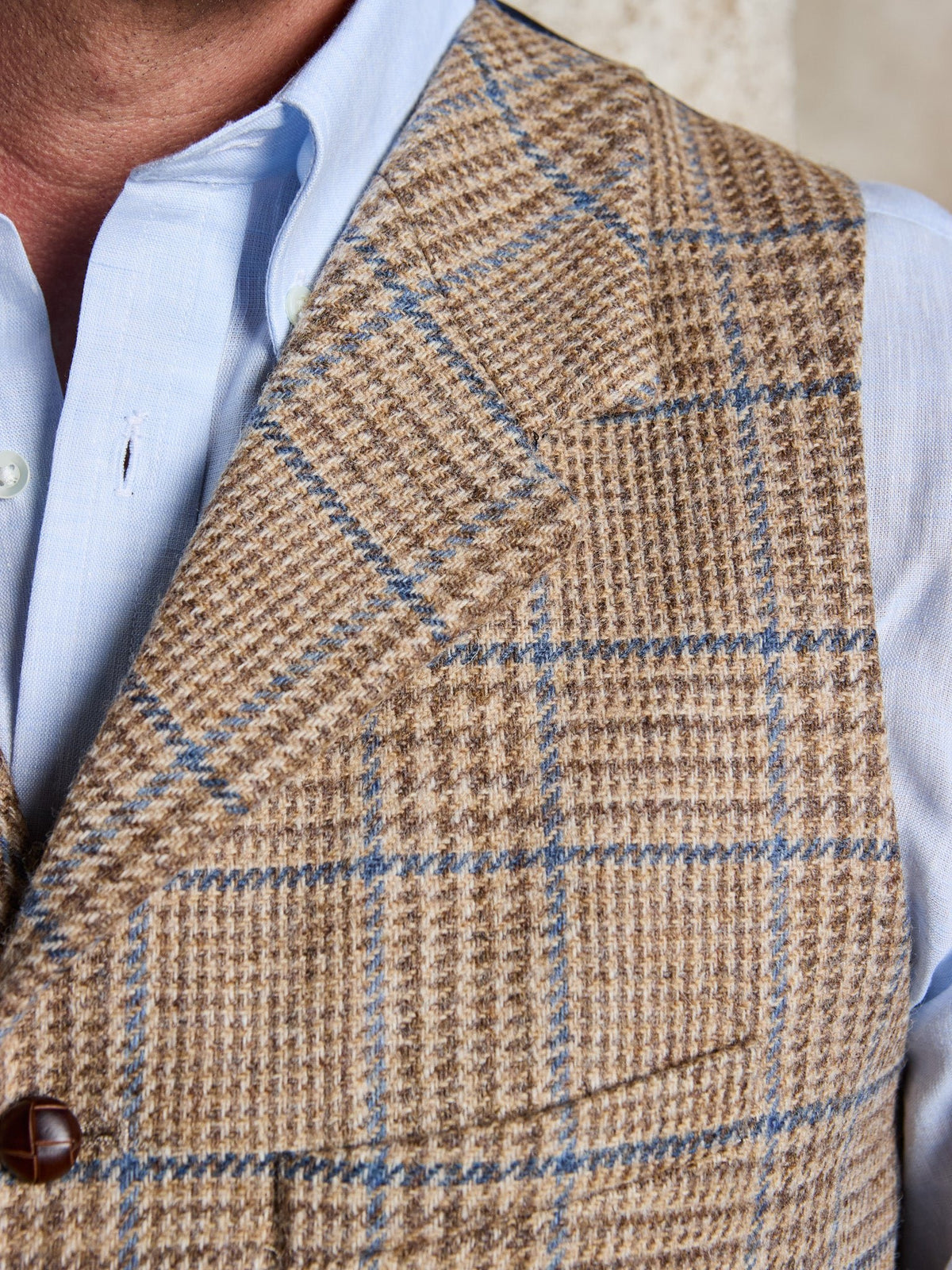
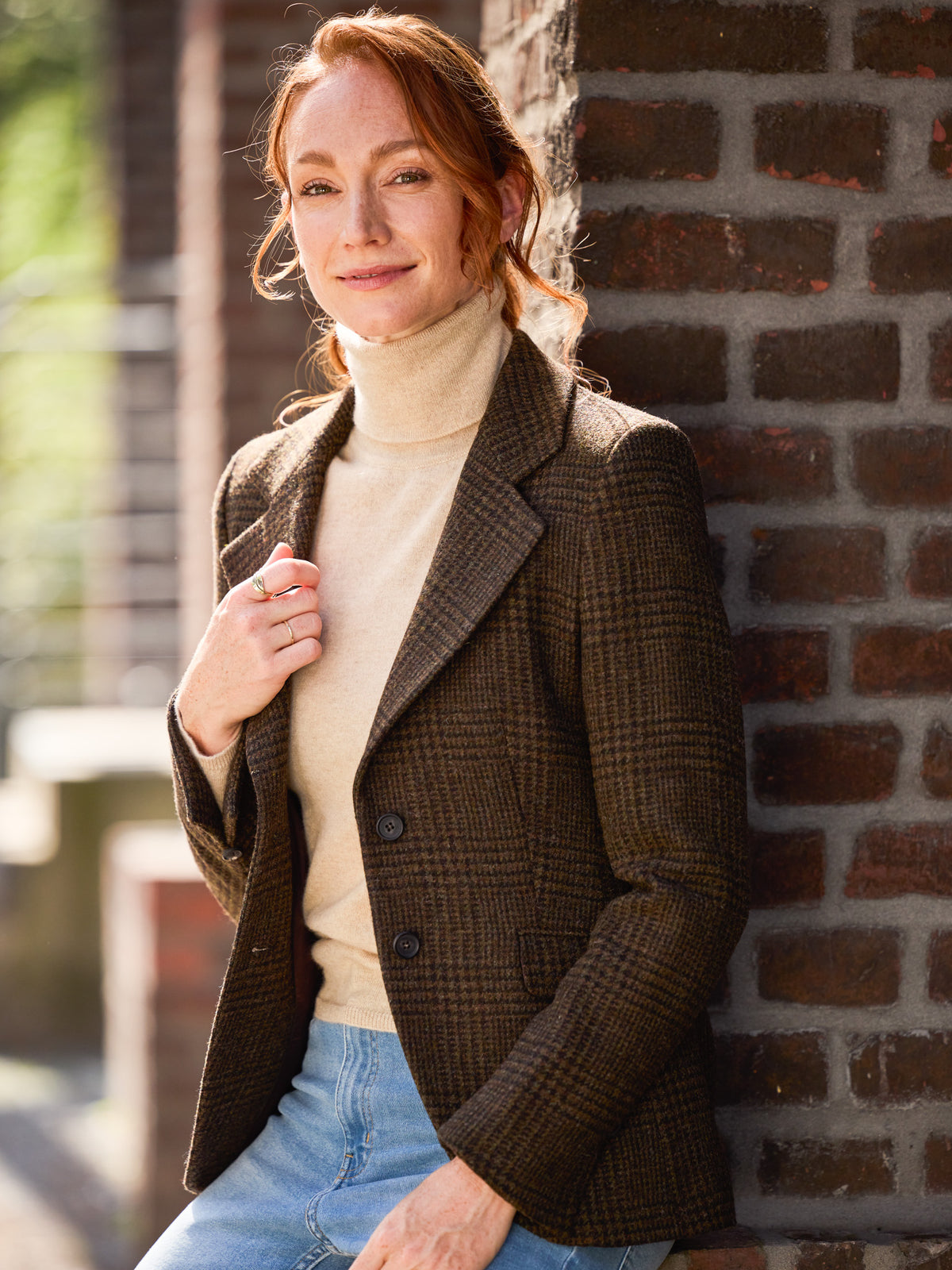
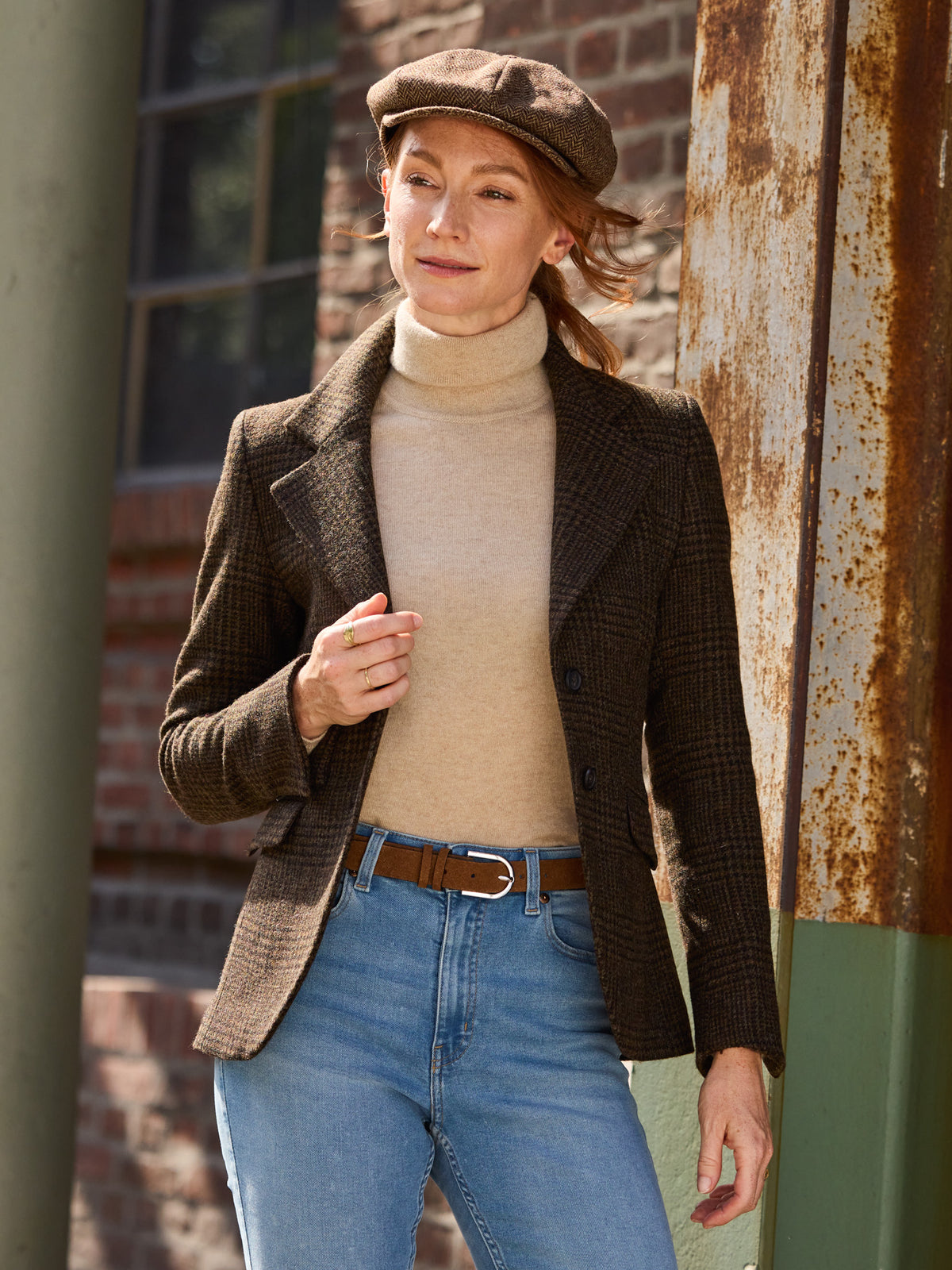
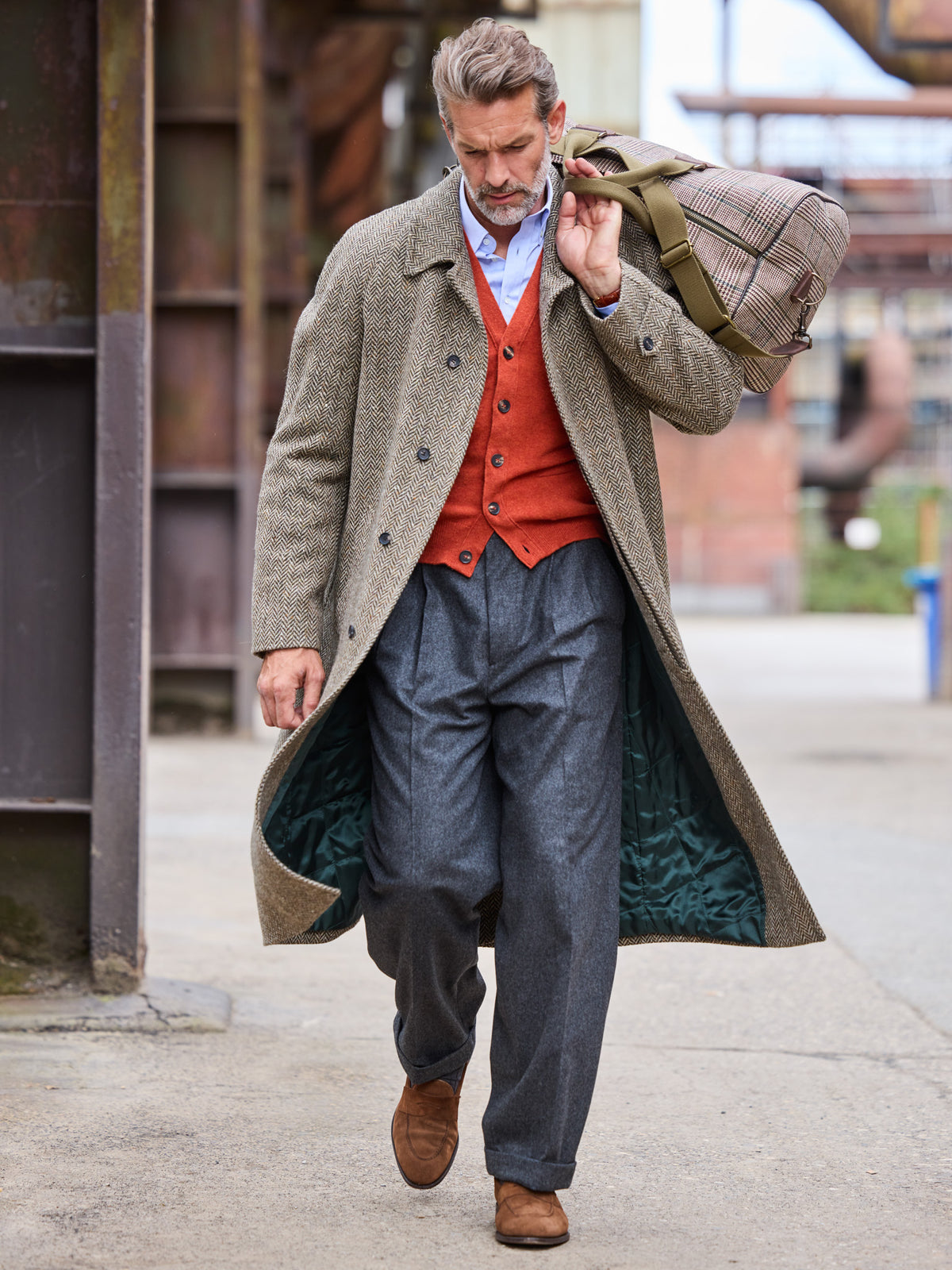
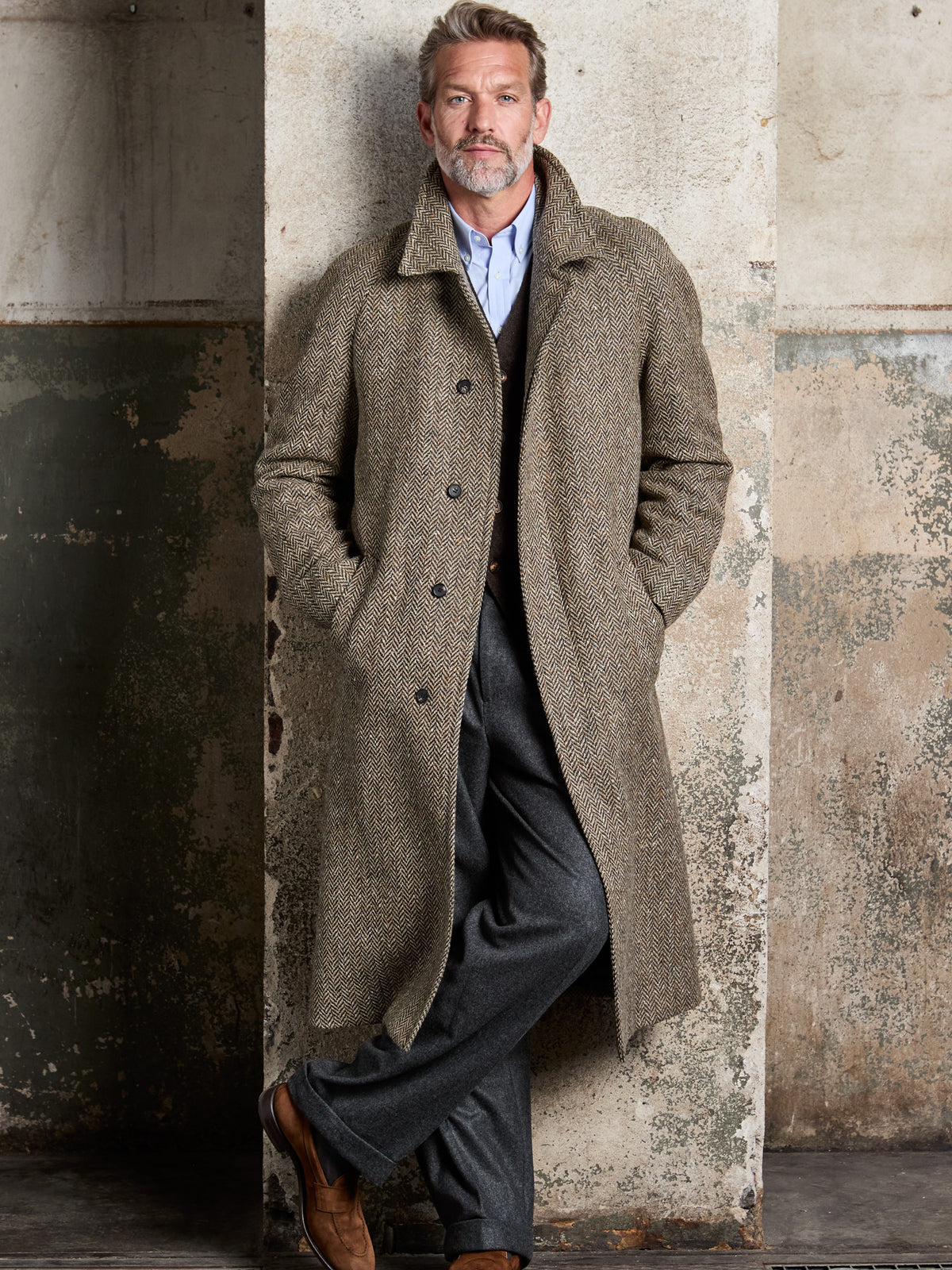
Our Tweeds
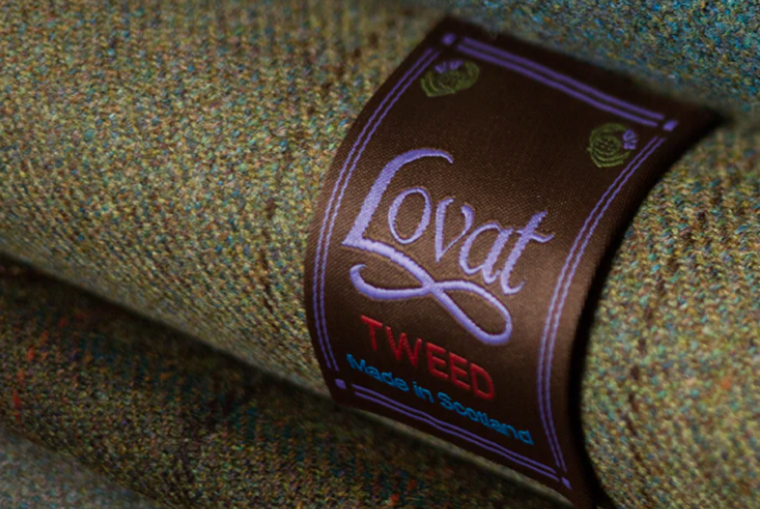
Lovat Tweed
Lovat Tweed keeps you warm and is very hard-wearing, even in damp conditions. Its colourways are reminiscent of the Scottish landscape.
Lovat Tweed Mill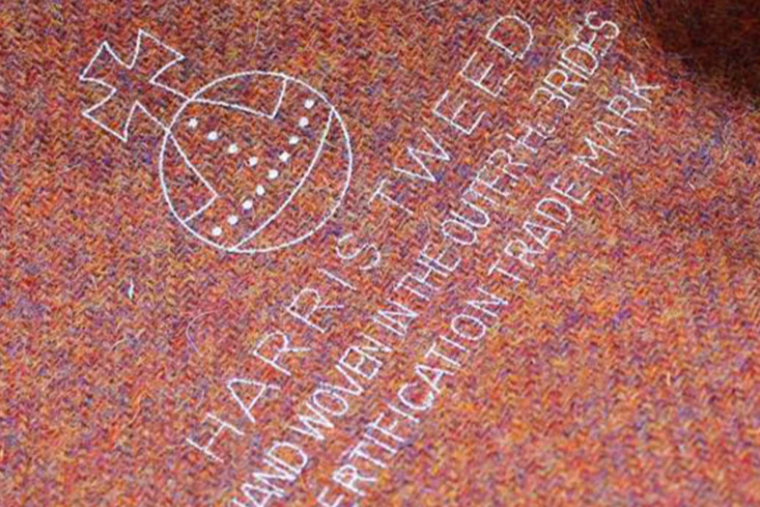
Harris Tweed
Harris Tweed is particularly hard-wearing, comes in unique colours and combines well with other fabrics.
Harris Tweed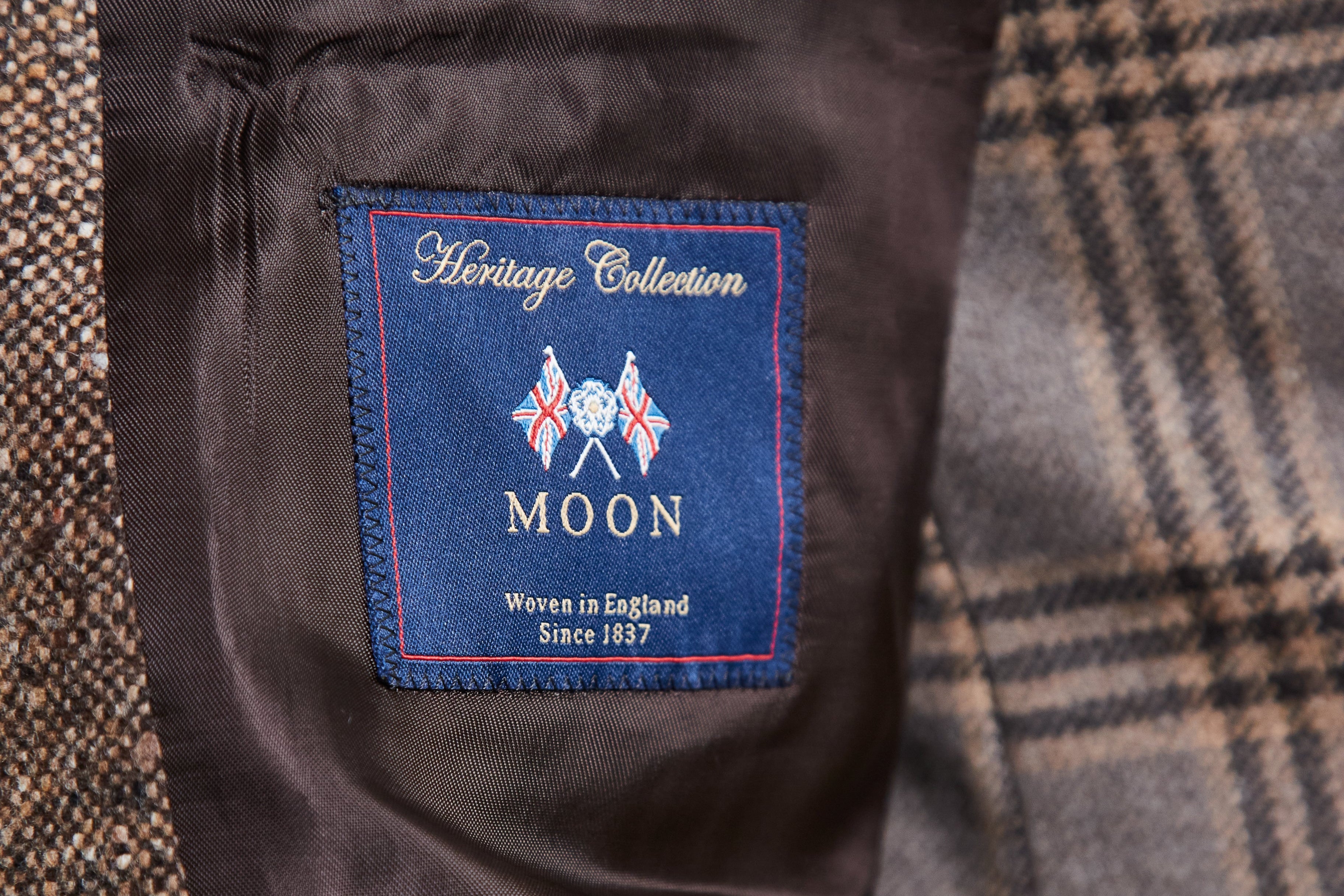
Moon Tweed
Moon Tweed has a soft, rich handle that is very comfortable to wear, and it keeps you warm even in cool temperatures.
Moon Tweed Mill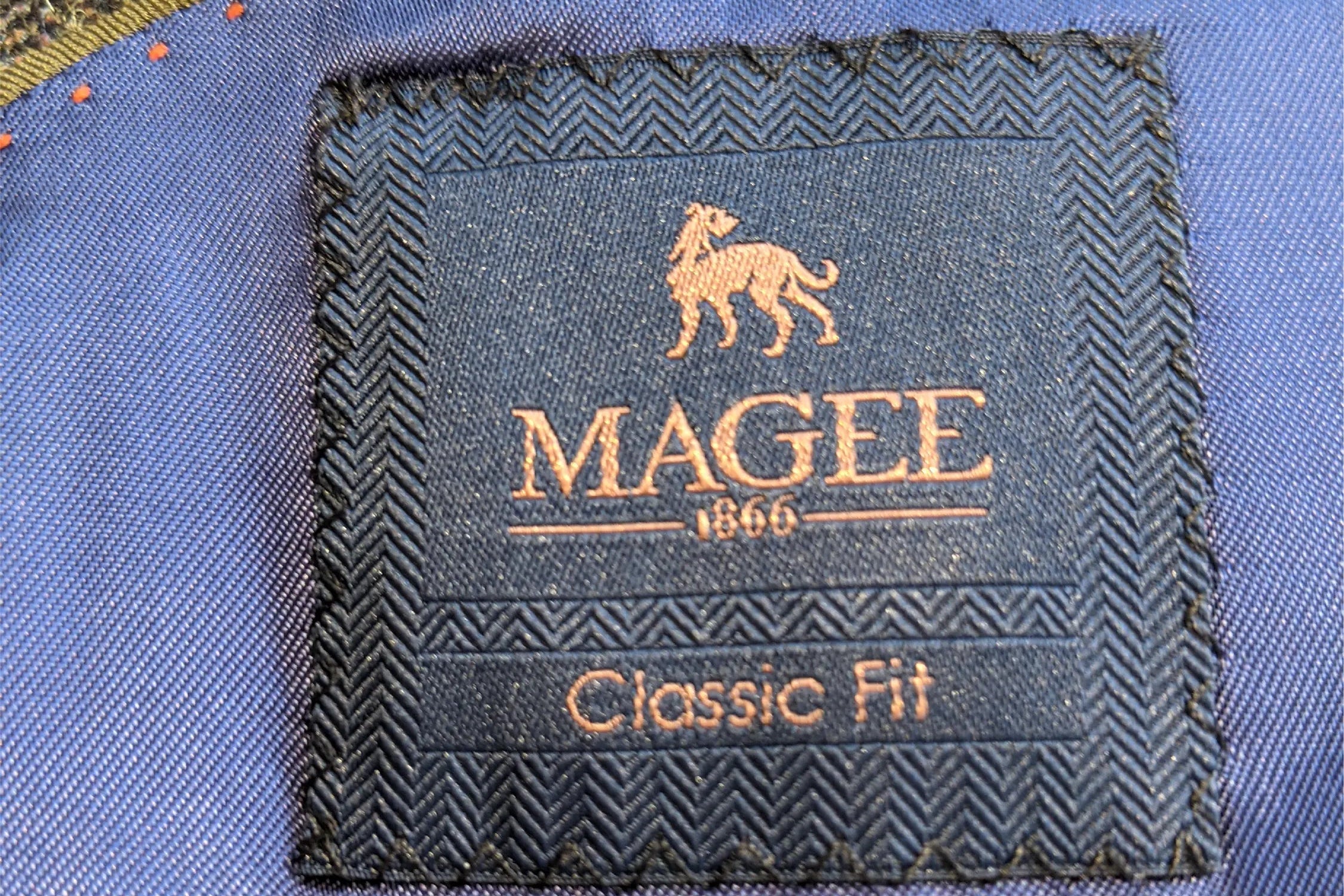
Magee Tweed
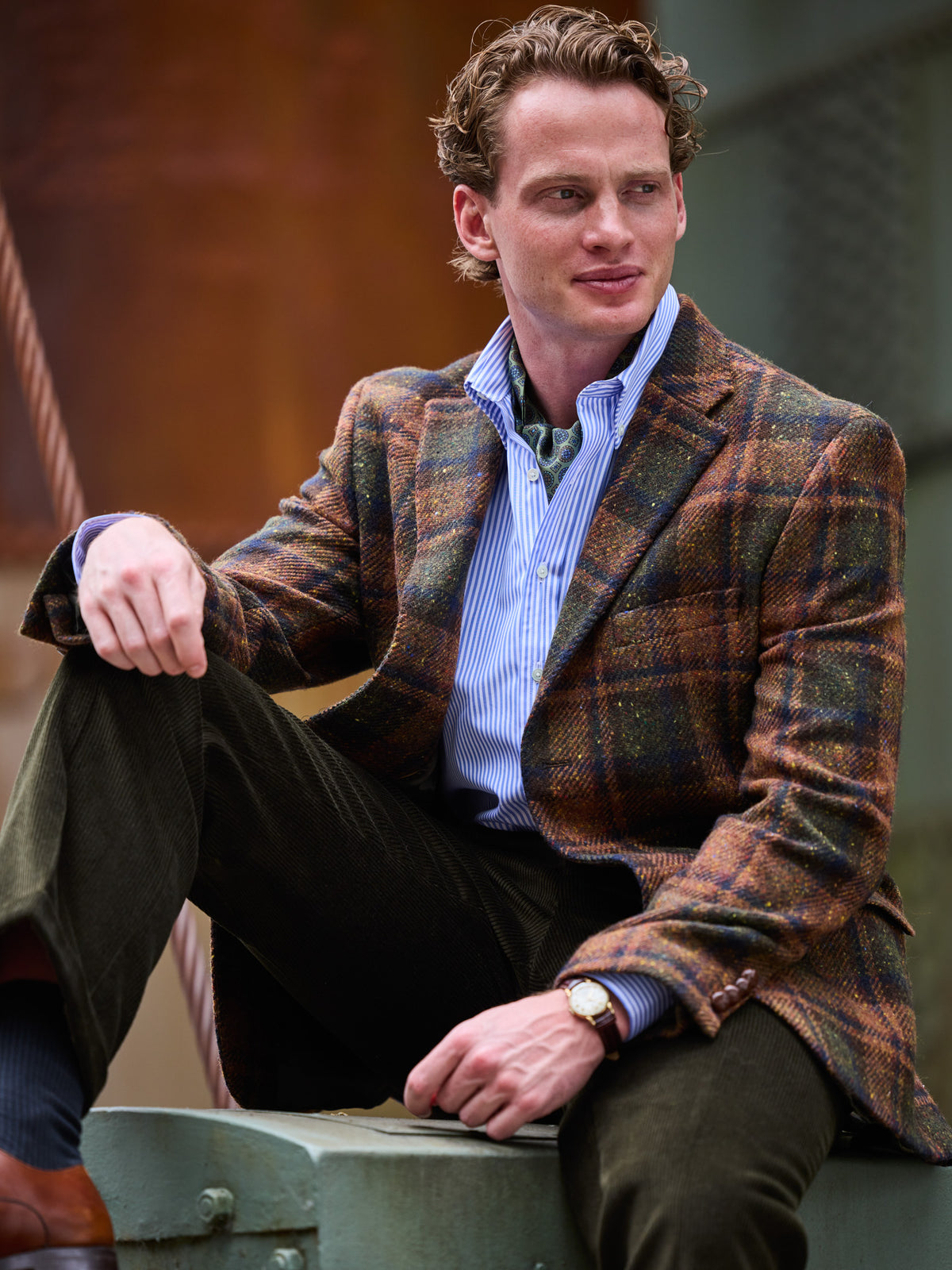
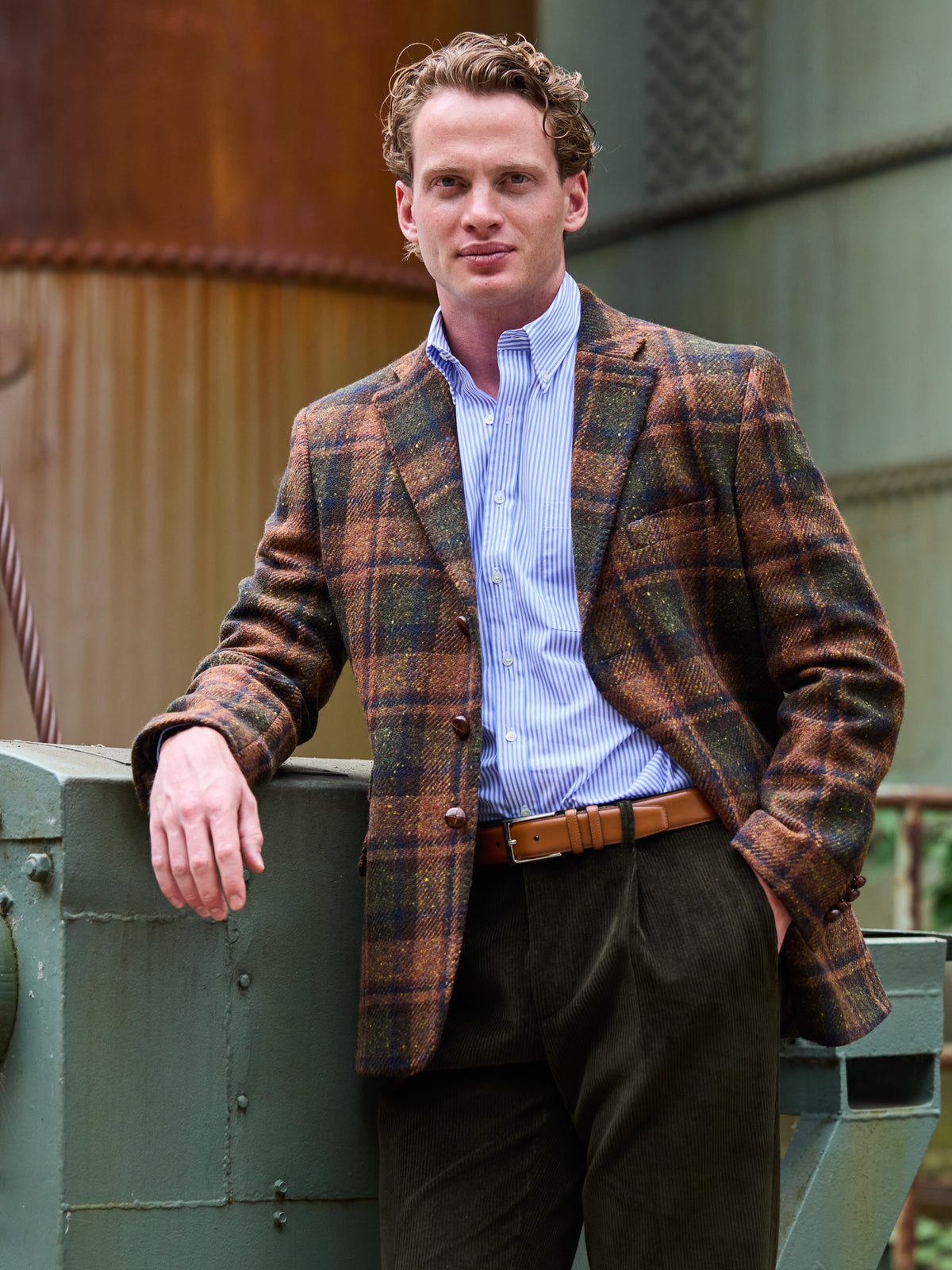
Magee Tweed is particularly long-lasting and offers heavy fabrics from County Donegal in Ireland, a region rich in tradition.
Magee Tweed Mill