

WHAT IS MAGEE TWEED?
Magee 1866 combines Irish tradition with modern design.
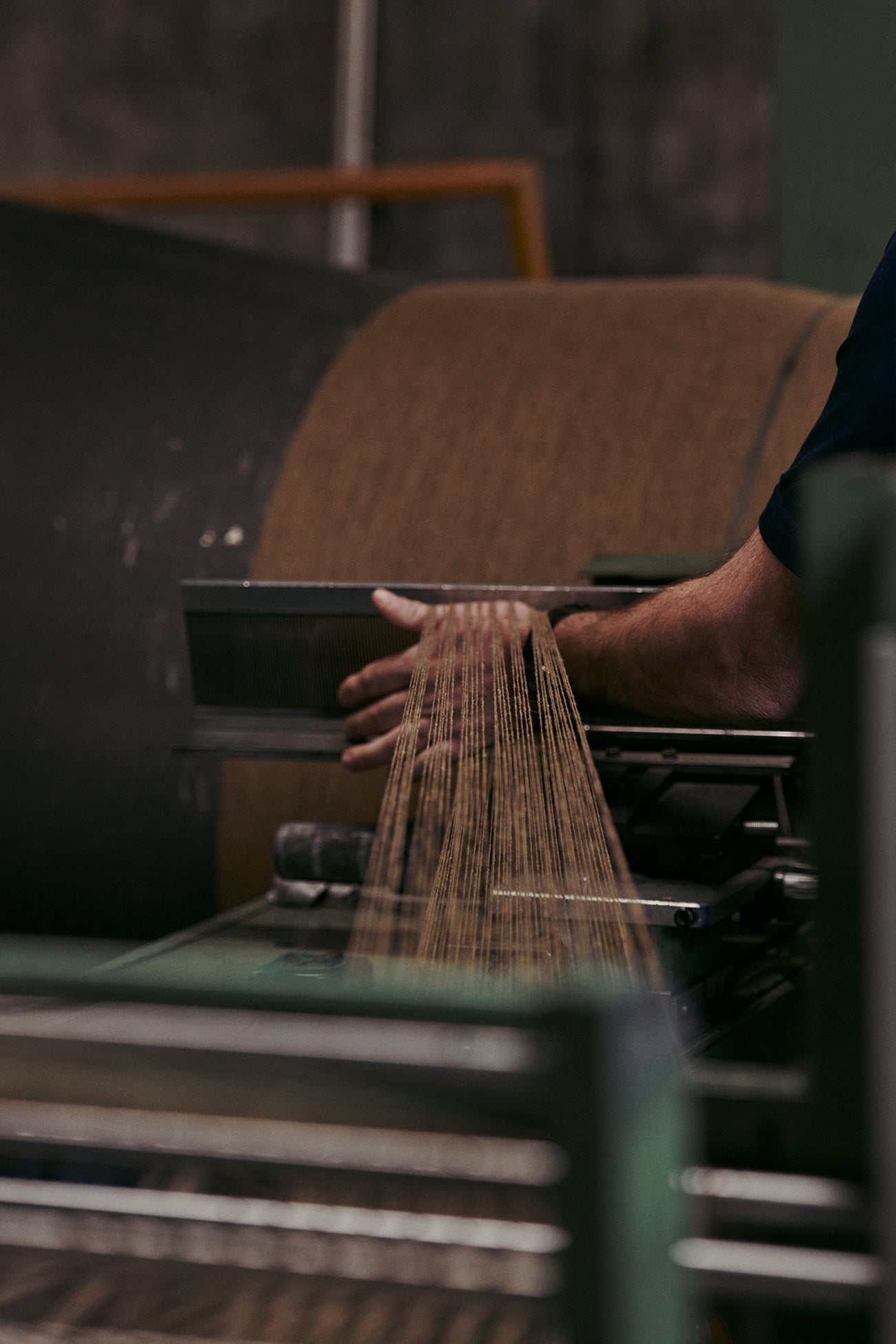
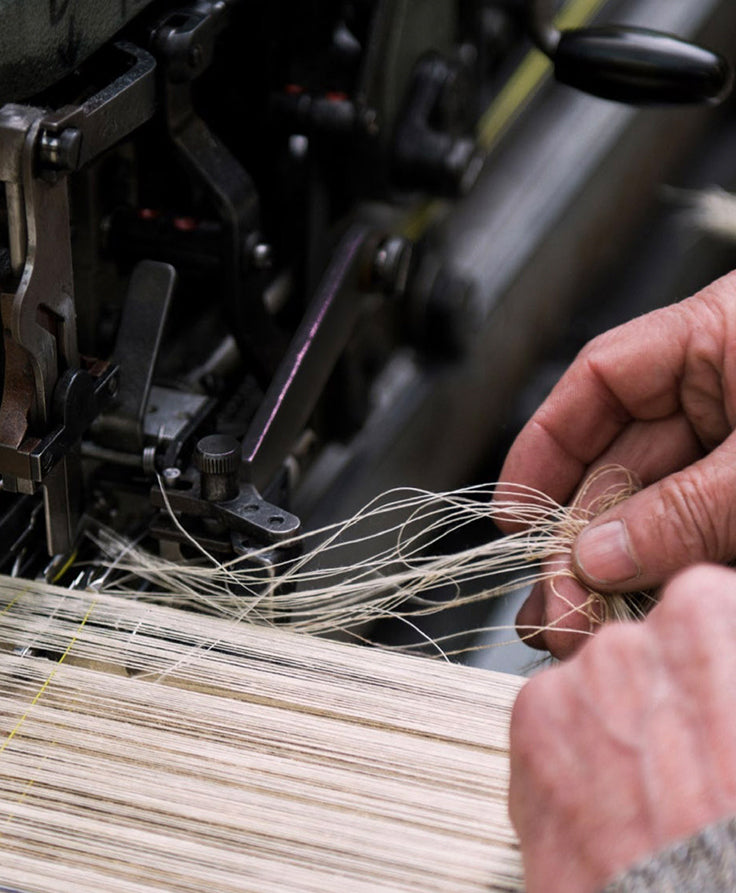
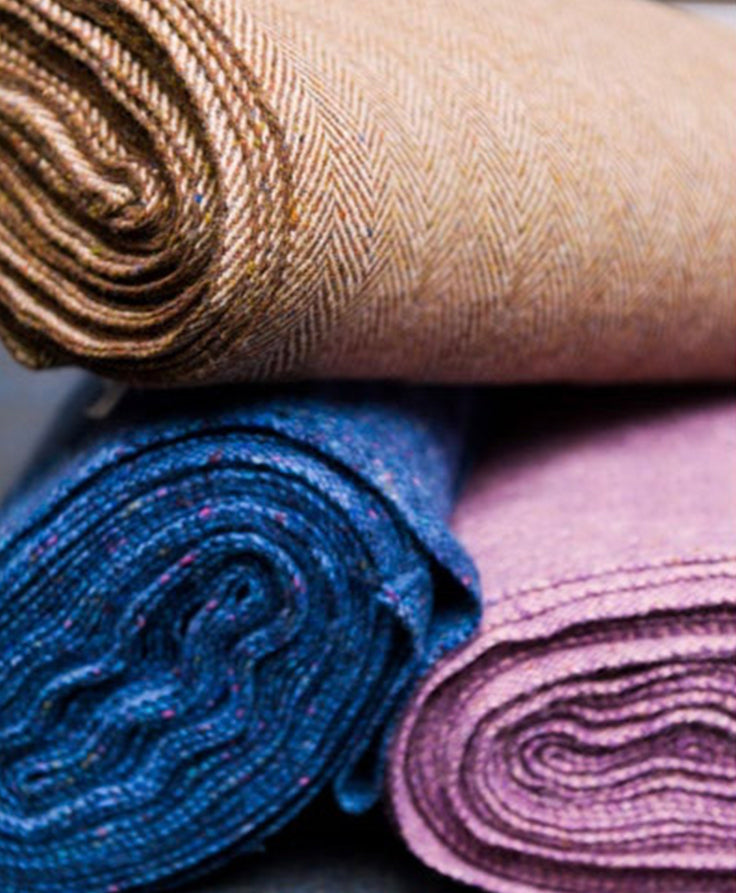
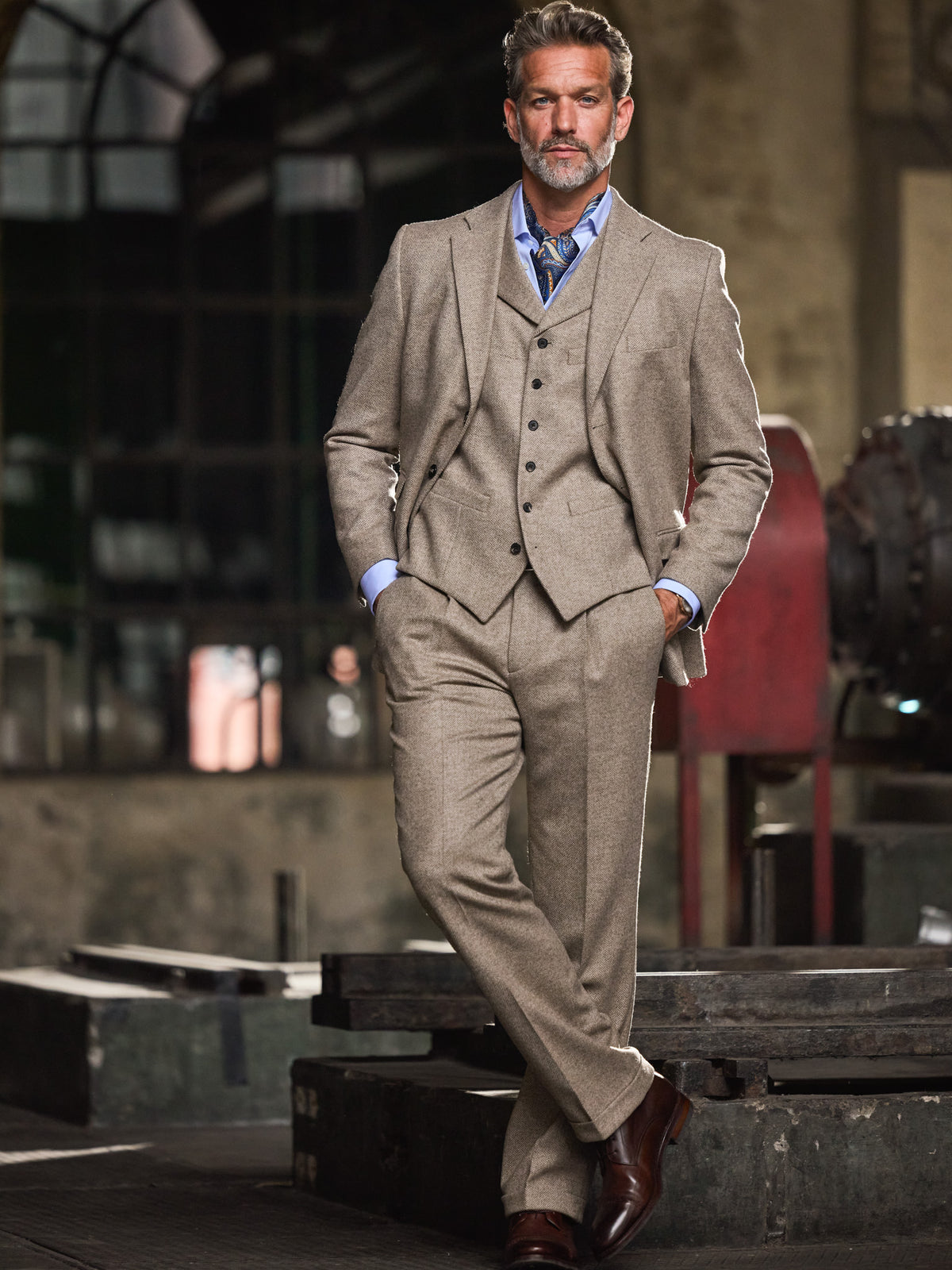
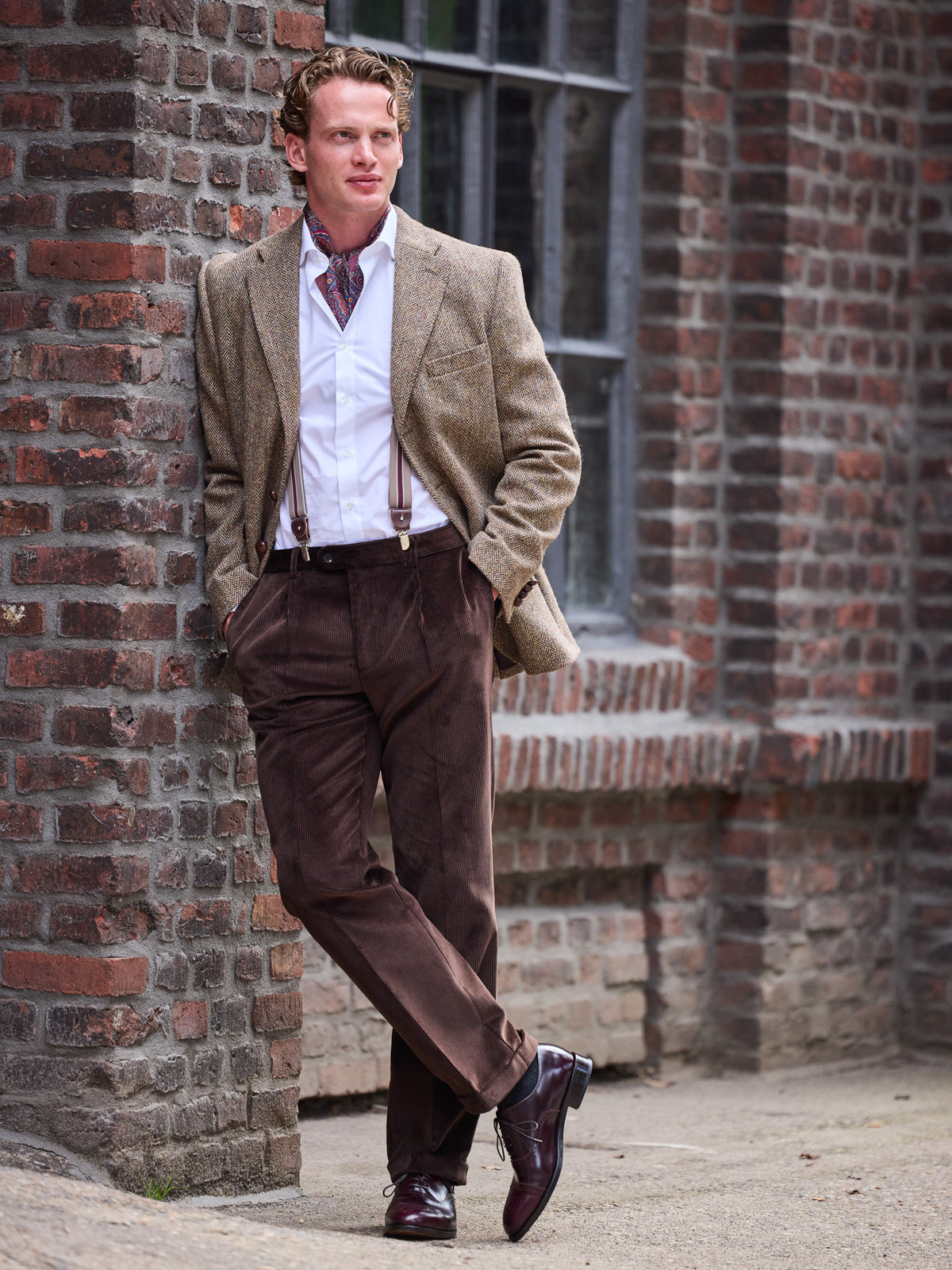
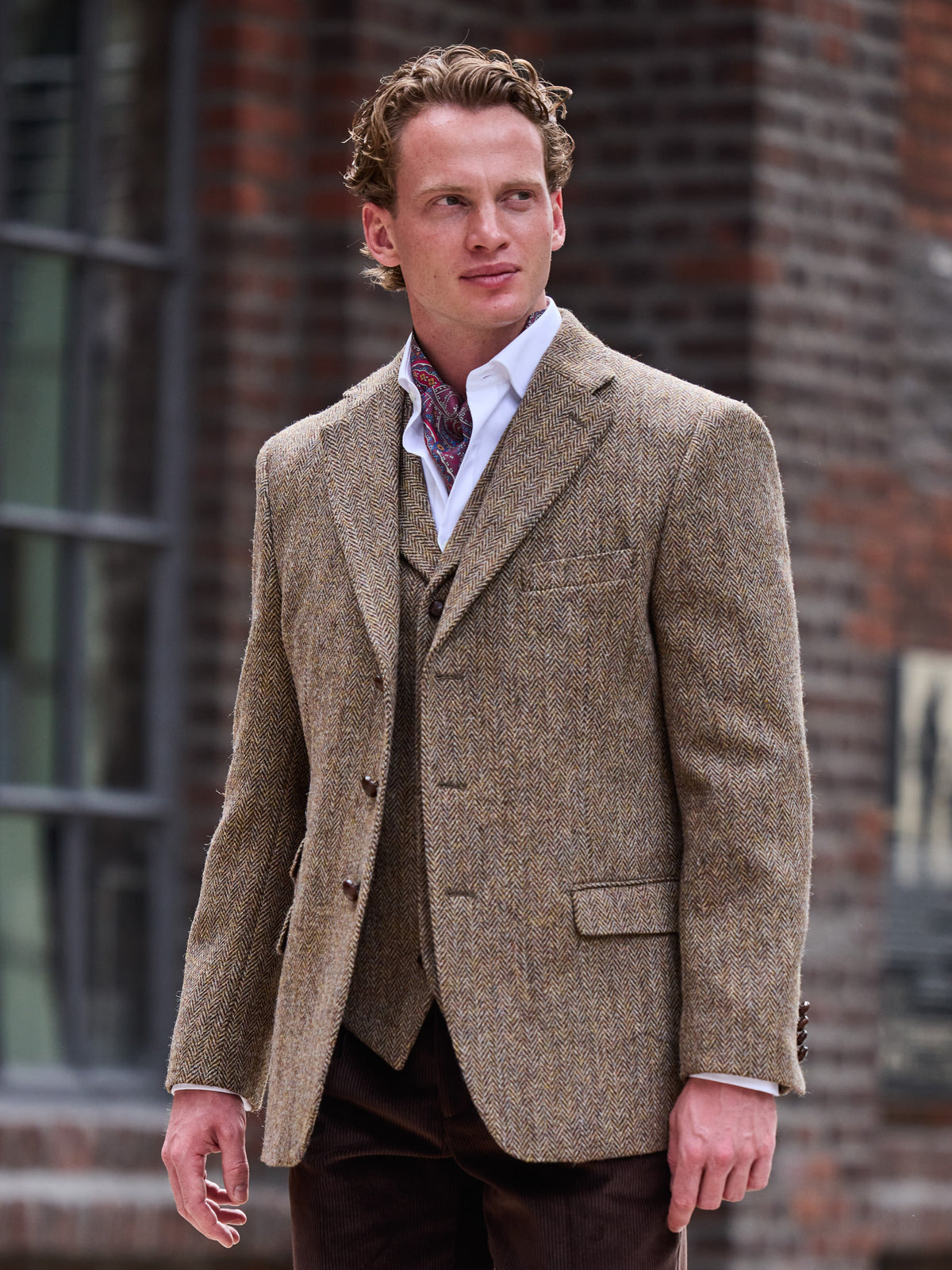
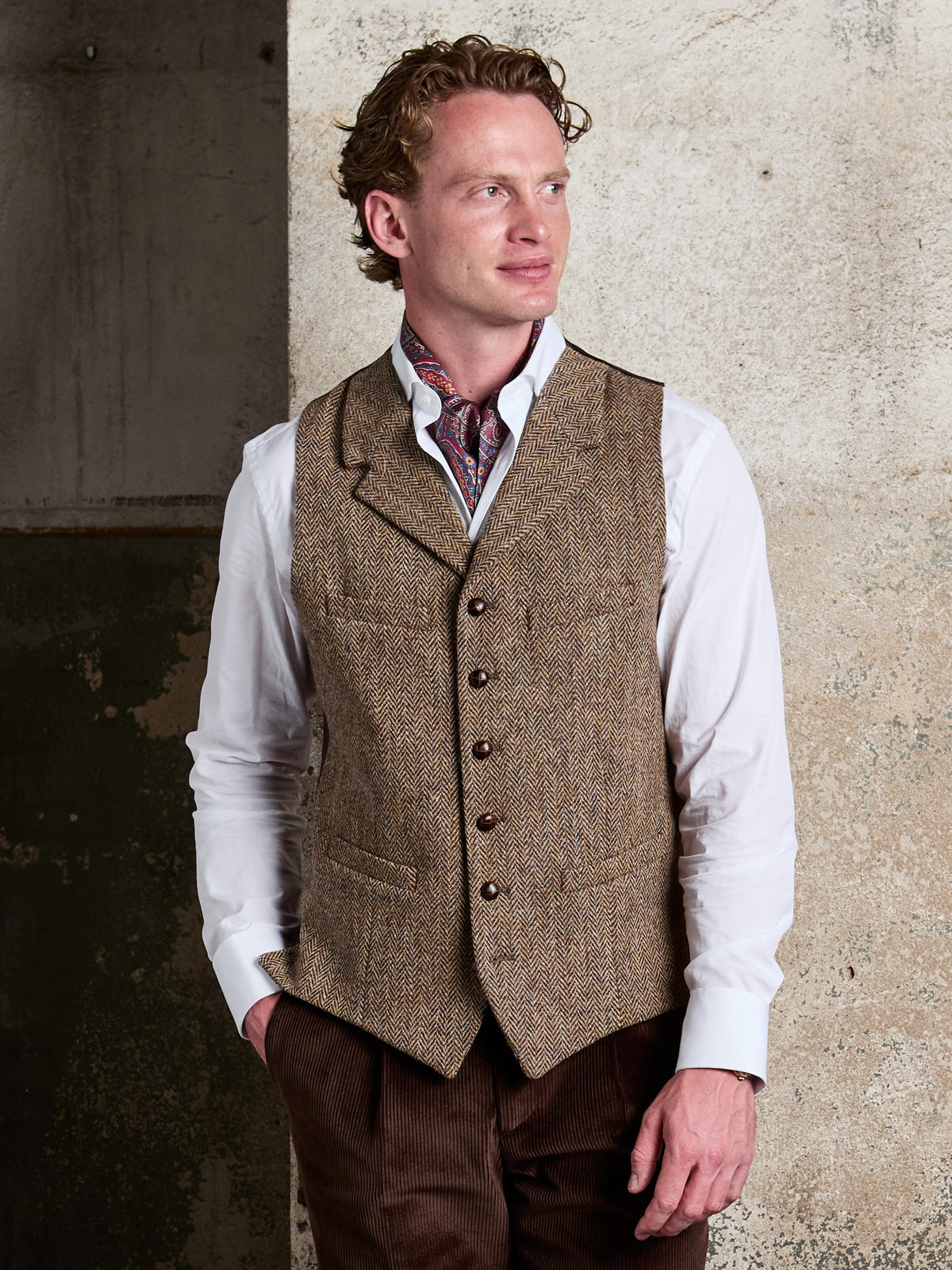
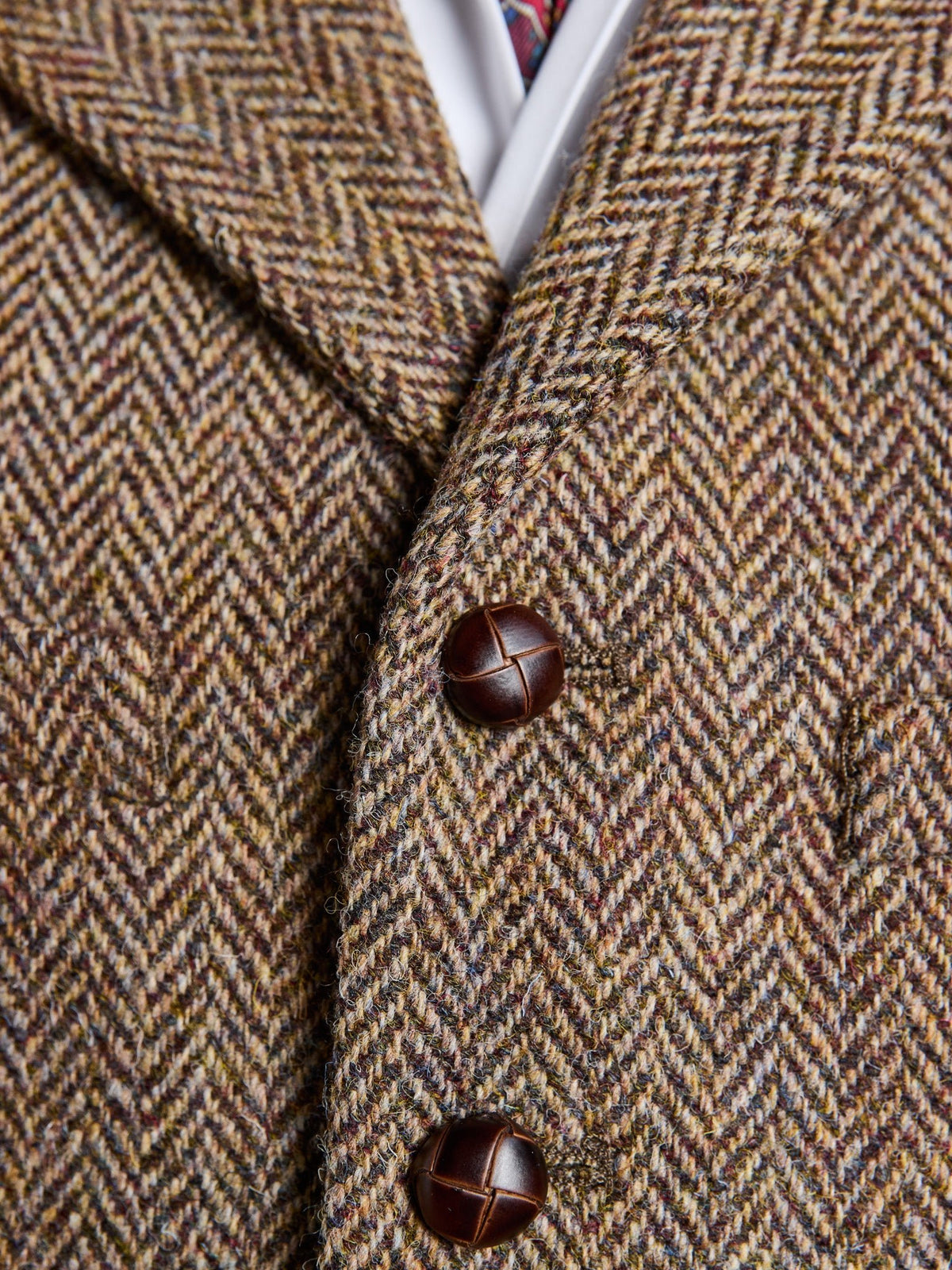
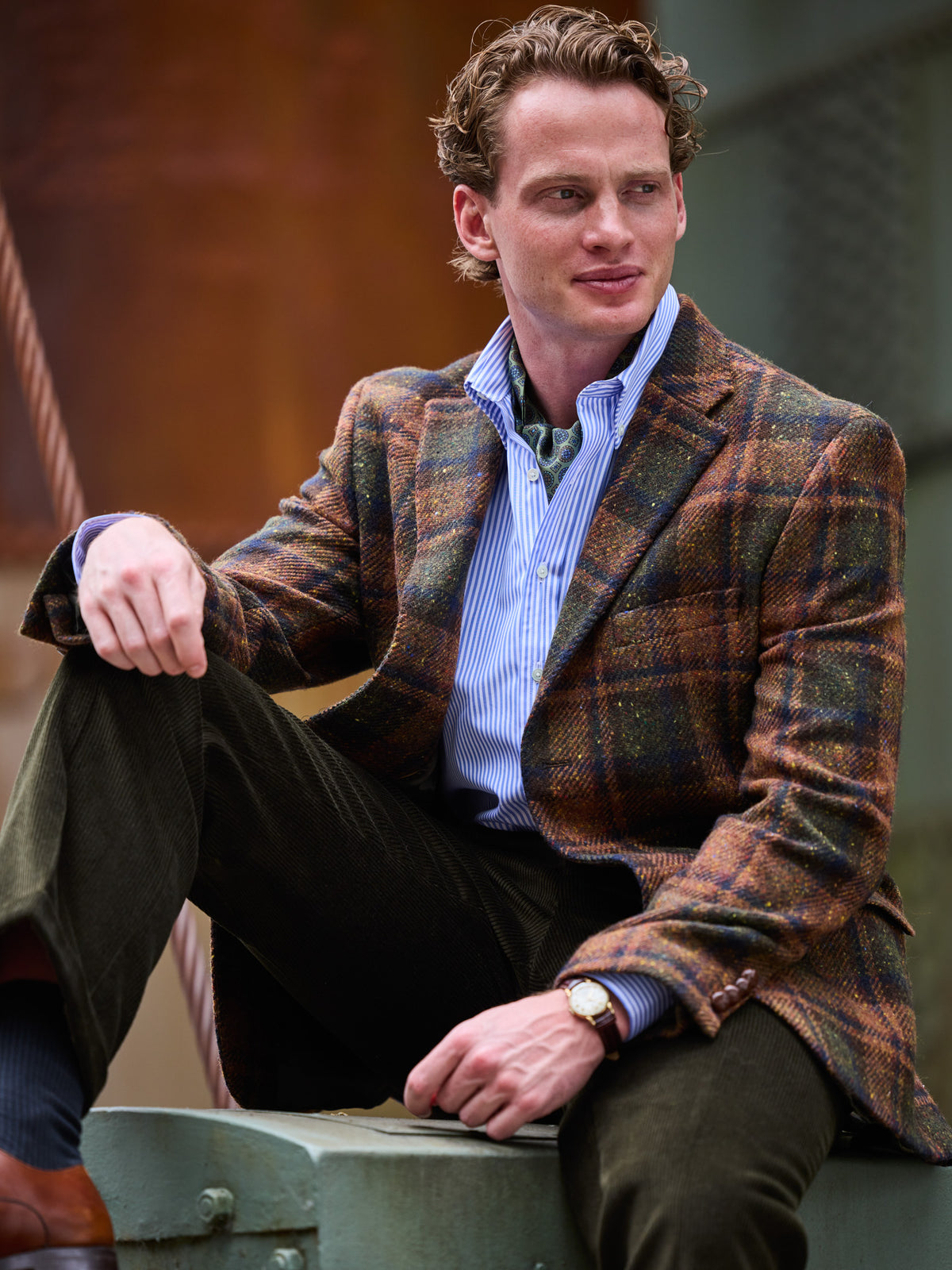
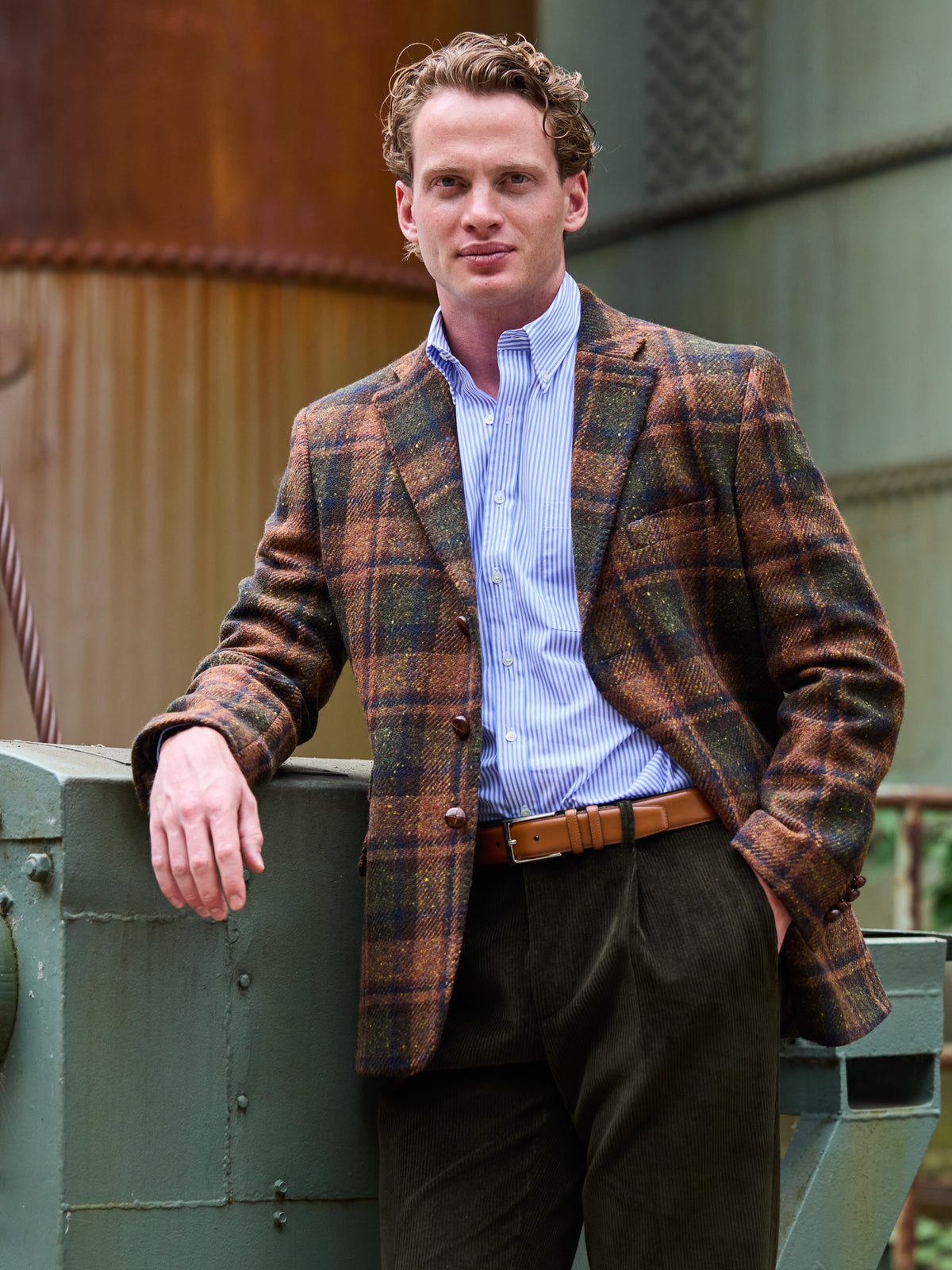
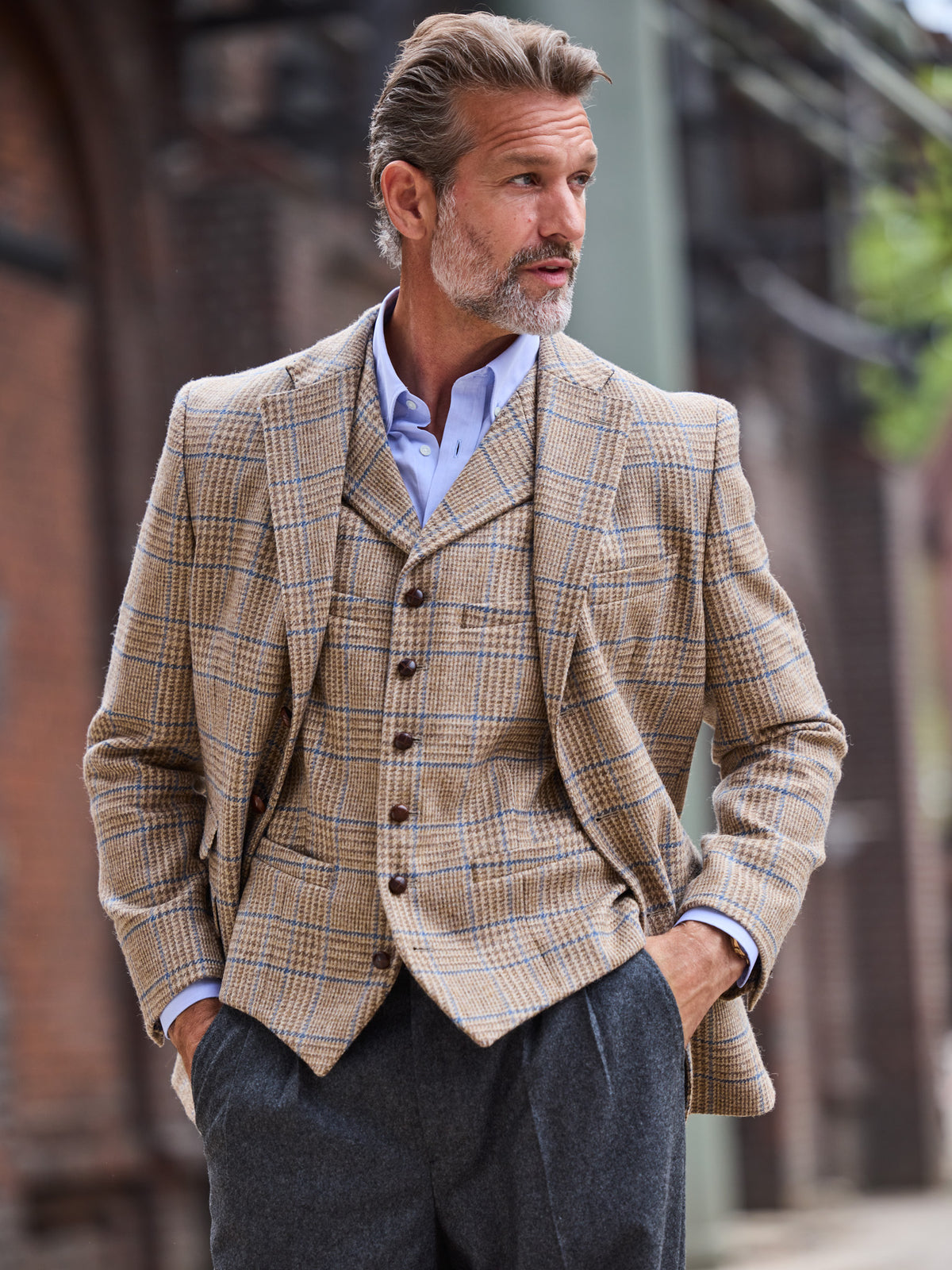
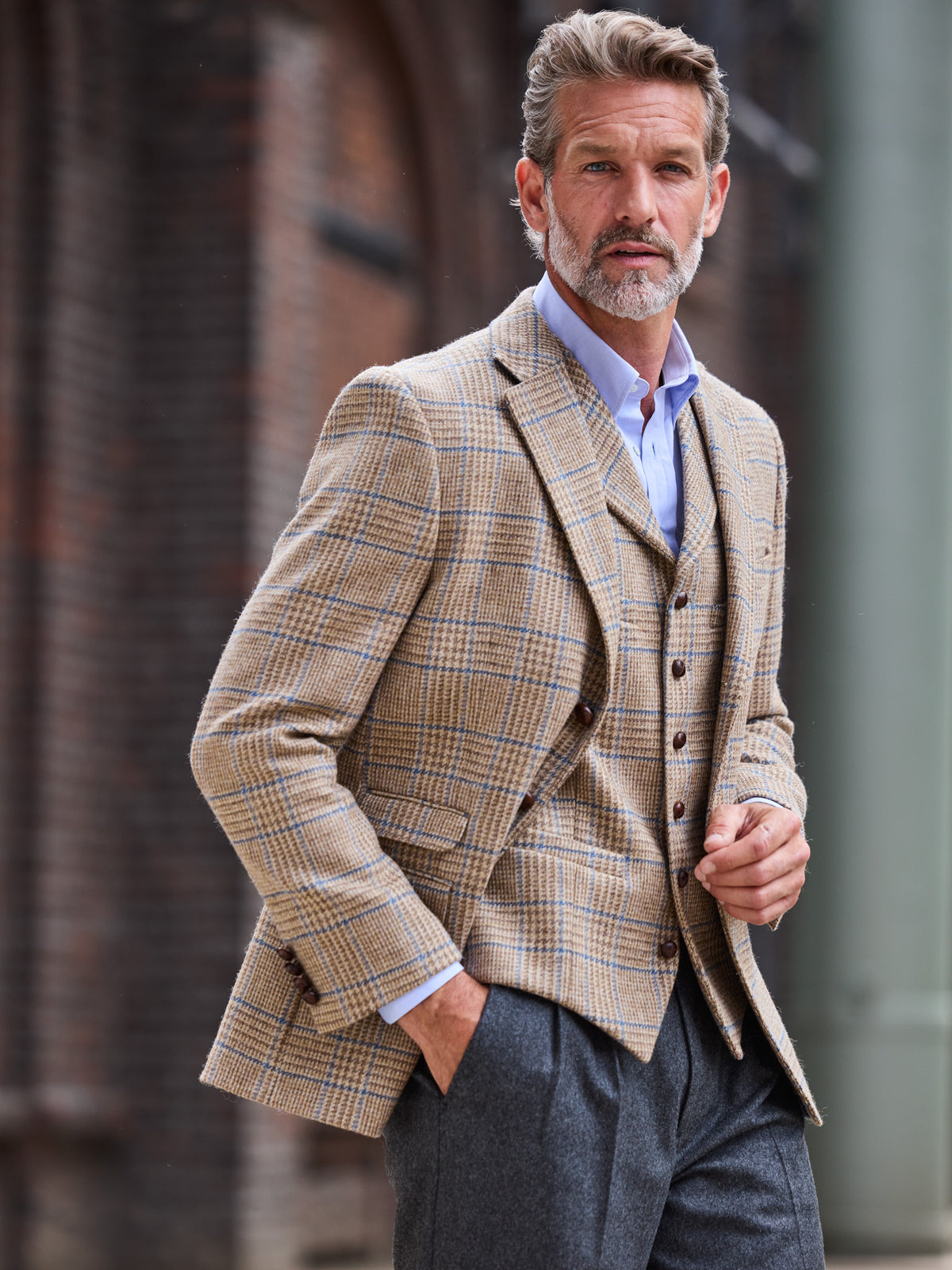
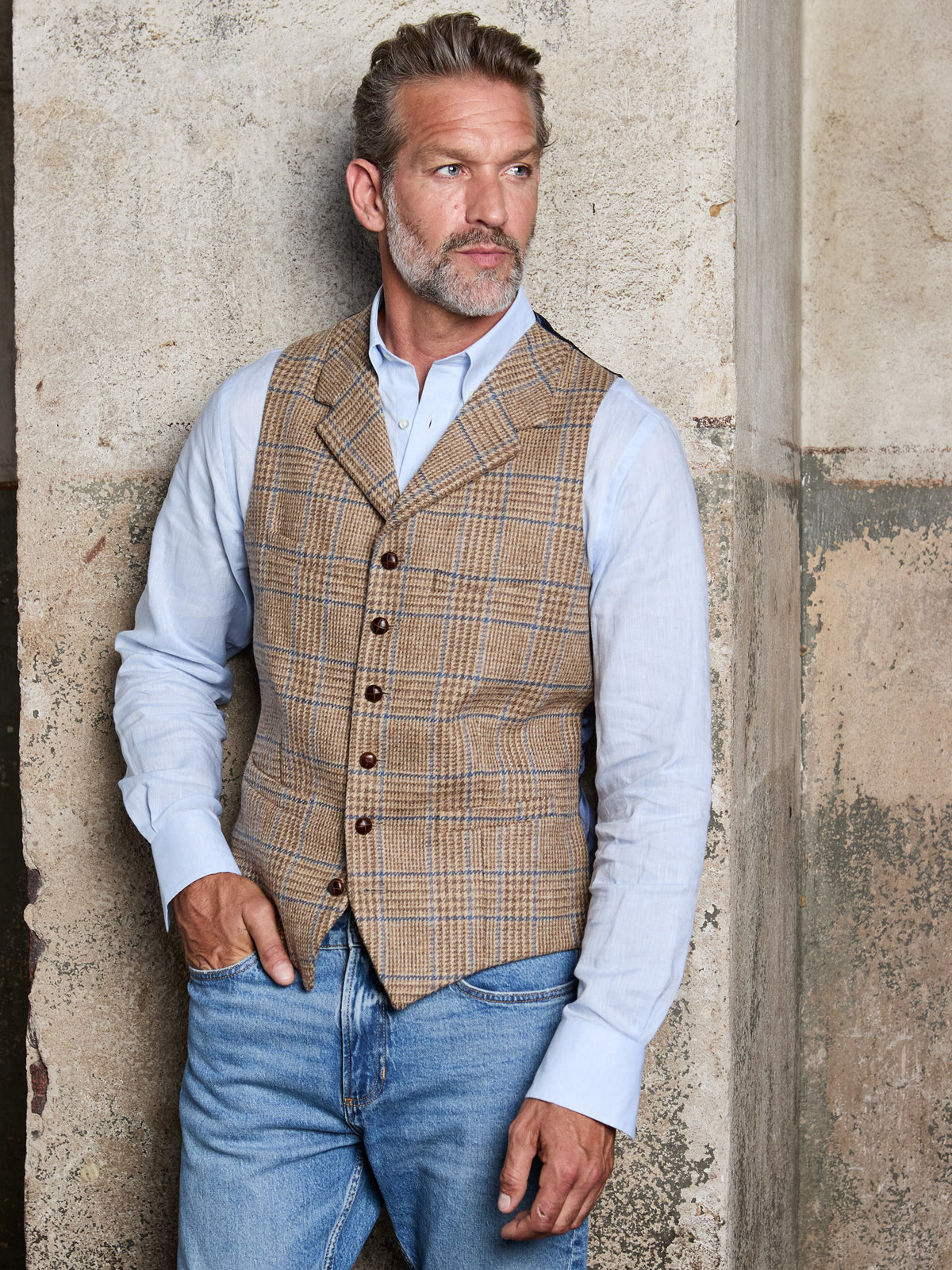
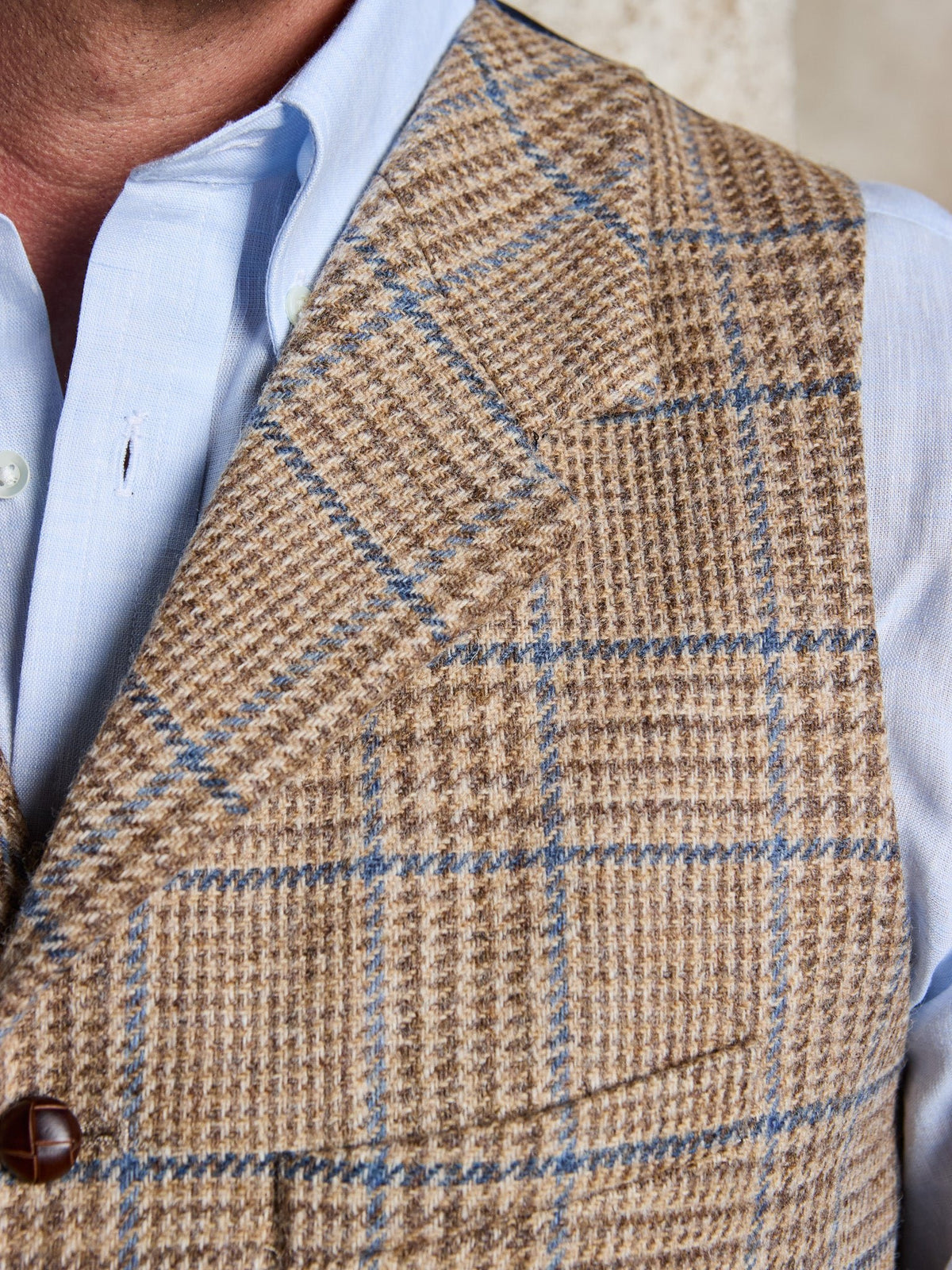
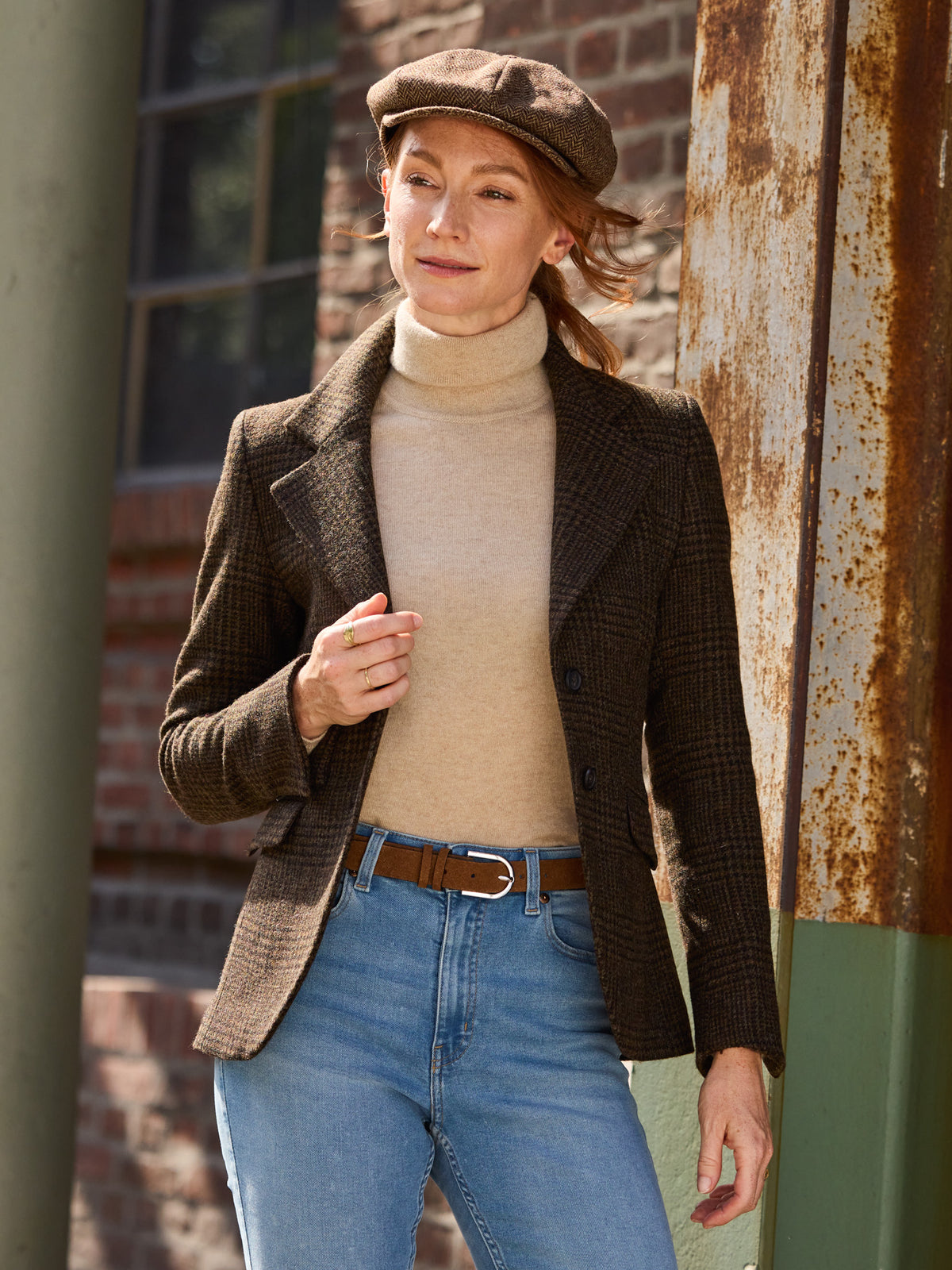
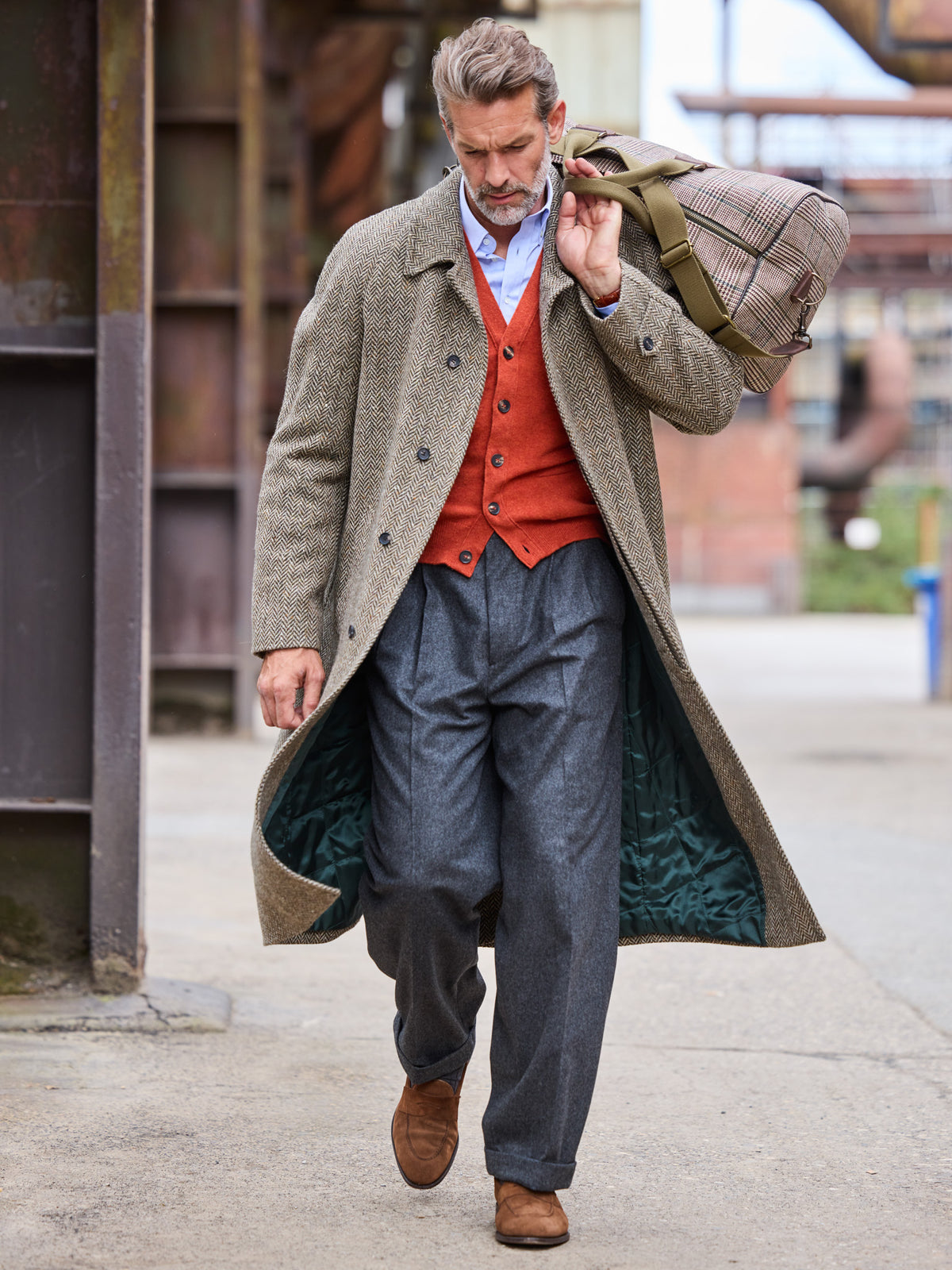
Magee is particularly known for its bright, colourful tweeds. These now include not only heavy, traditional cloths but also modern, more refined textures. They are suitable for elegant coats as well as contemporary jackets, waistcoats and accessories. At John Crocket, Magee Tweed is used in men's tweed jackets and waistcoats.
THE MAGEE TWEED STORY
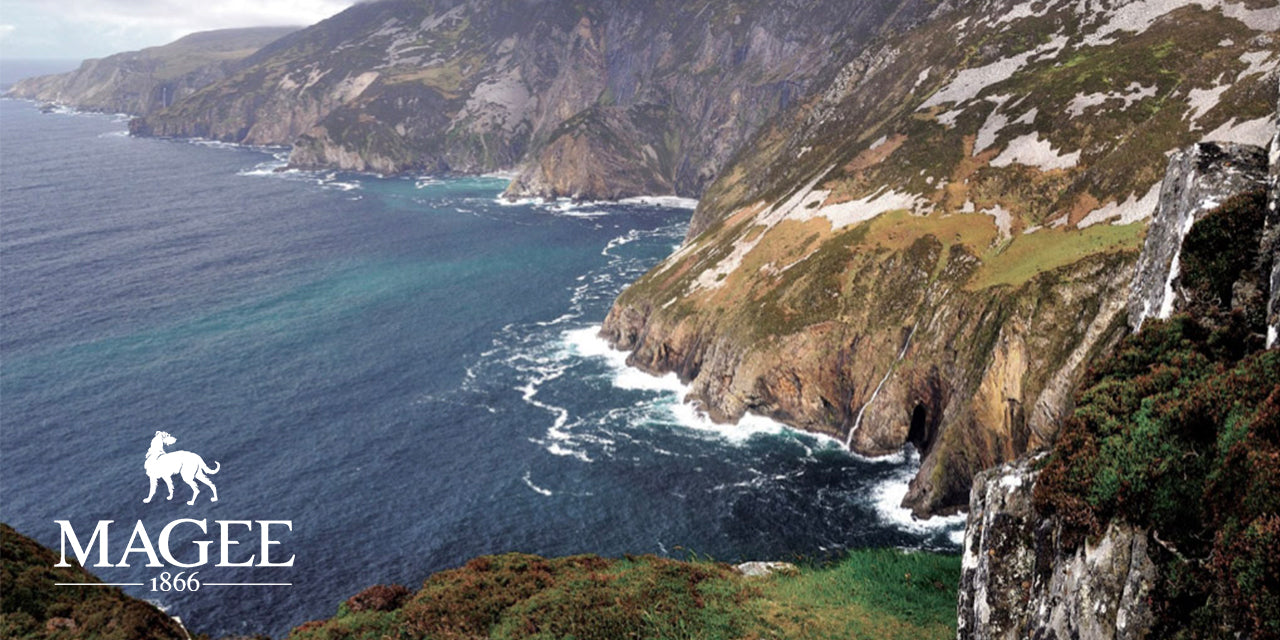
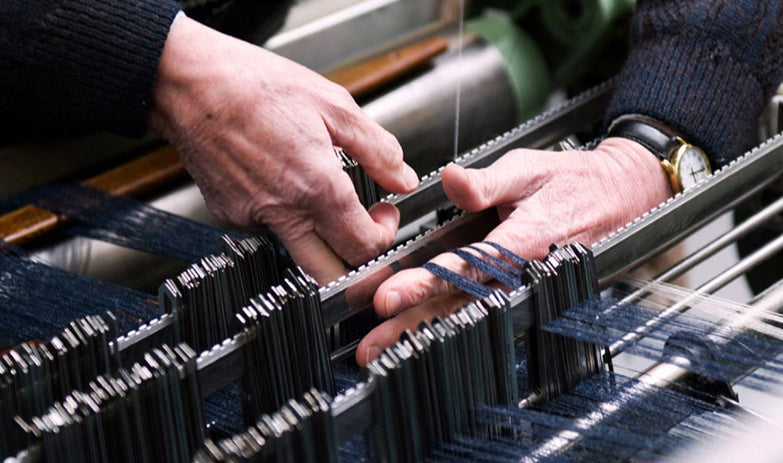
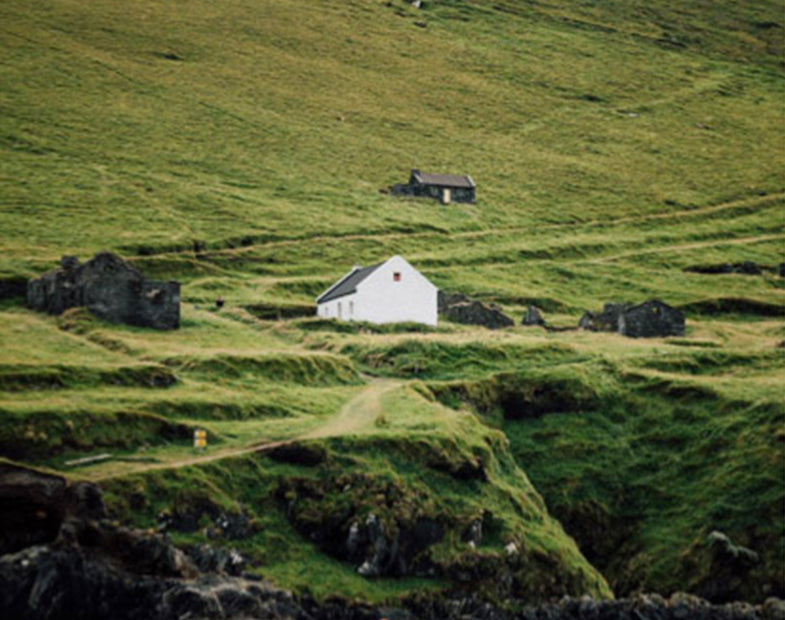
The Magee story began in the 1860s, when John Magee first offered his handwoven tweeds at the market in Ardara in County Donegal. Donegal Tweed is a pure new wool cloth known for its sometimes coarse textures, such as salt-and-pepper or herringbone. Magee takes its inspiration from the rugged coastline and landscapes of County Donegal. This fabric is still the mainstay of Magee Weaving today. Over the course of the 20th century, Magee moved from hand looms to fully automated looms.
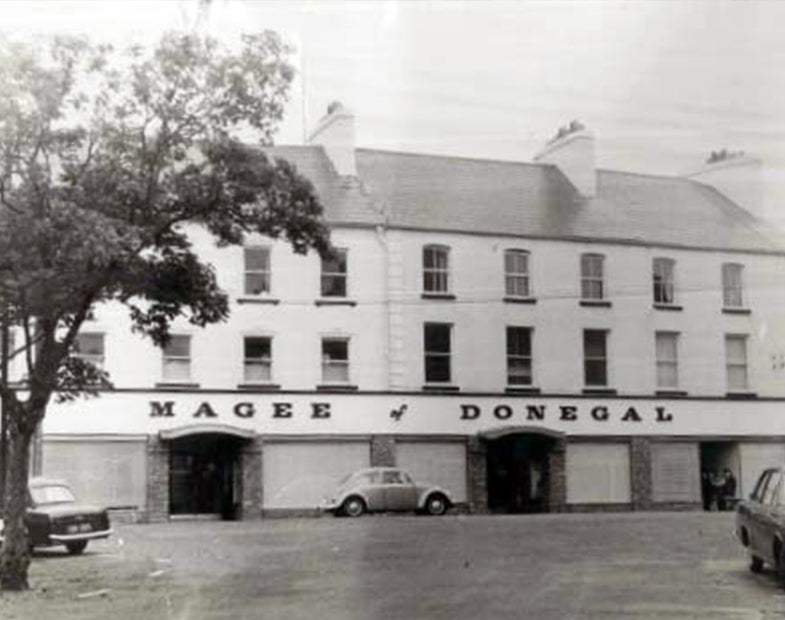
John Magee founded Magee of Donegal in Donegal Town. His cousin Robert Temple served his apprenticeship there and took over the business in 1900. The firm set up its own weaving mill on the River Eske. Robert's son Howard Temple joined in the 1930s, and in the 1940s Magee expanded beyond weaving into clothing manufacture. Howard's son Lynn Temple joined the company in 1974 and built up the retail side. The fifth generation has been involved since the 2000s, and today the Temple family runs the business.

Video about Magee Tweed
Tweed at John Crocket


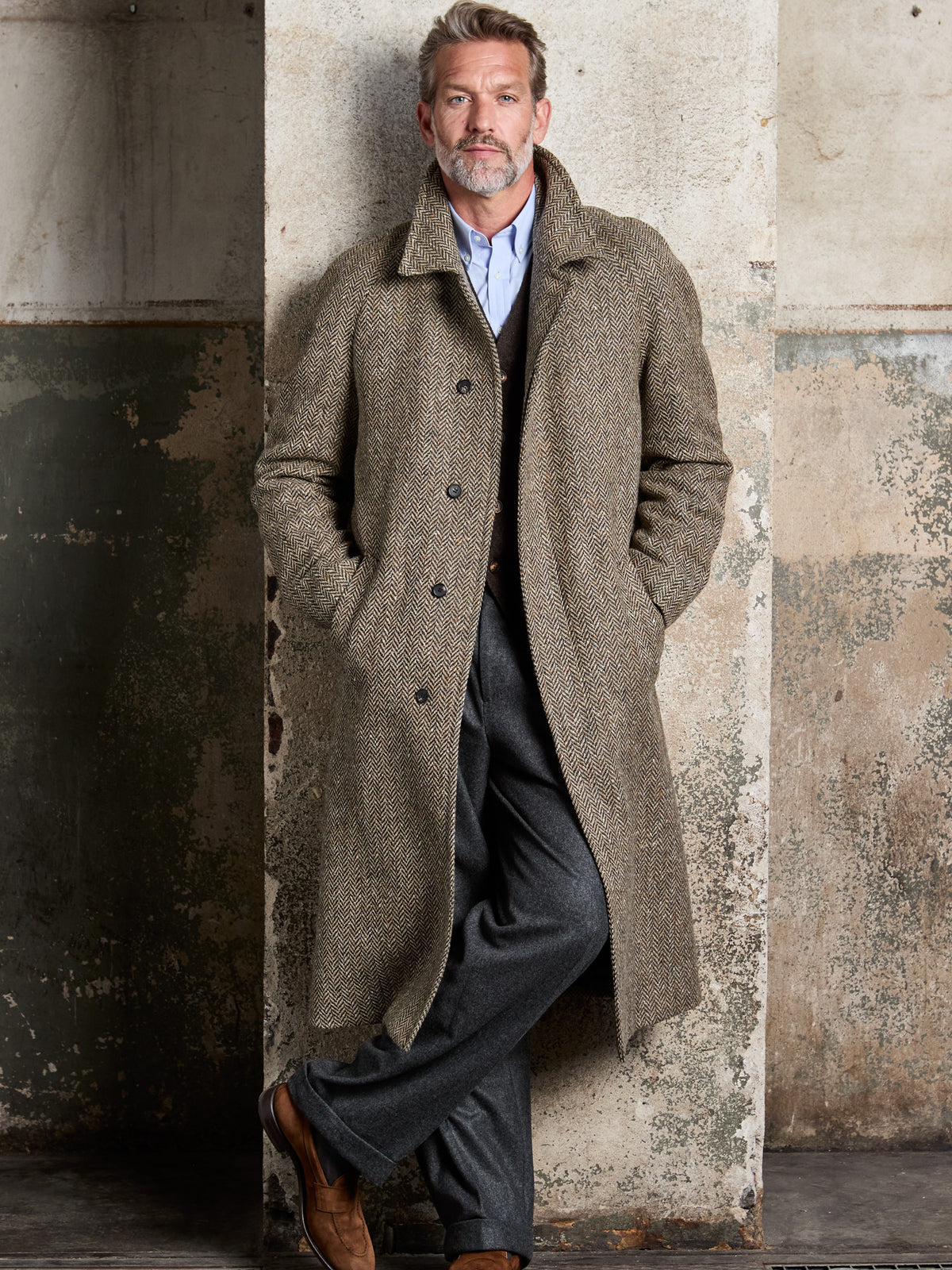
Our Tweed Mills
Lovat Tweed
Lovat Tweed always keeps you warm and is very hard-wearing, even in damp conditions. Its colourways recall the Scottish landscape.
Lovat Tweed Mill
Harris Tweed
Harris Tweed is particularly hard-wearing, comes in distinctive colours and combines well with other fabrics.
Harris Tweed
Moon Tweed
Moon Tweed has a particularly comfortable handle and keeps you warm, even in cool temperatures.
Moon Tweed Mill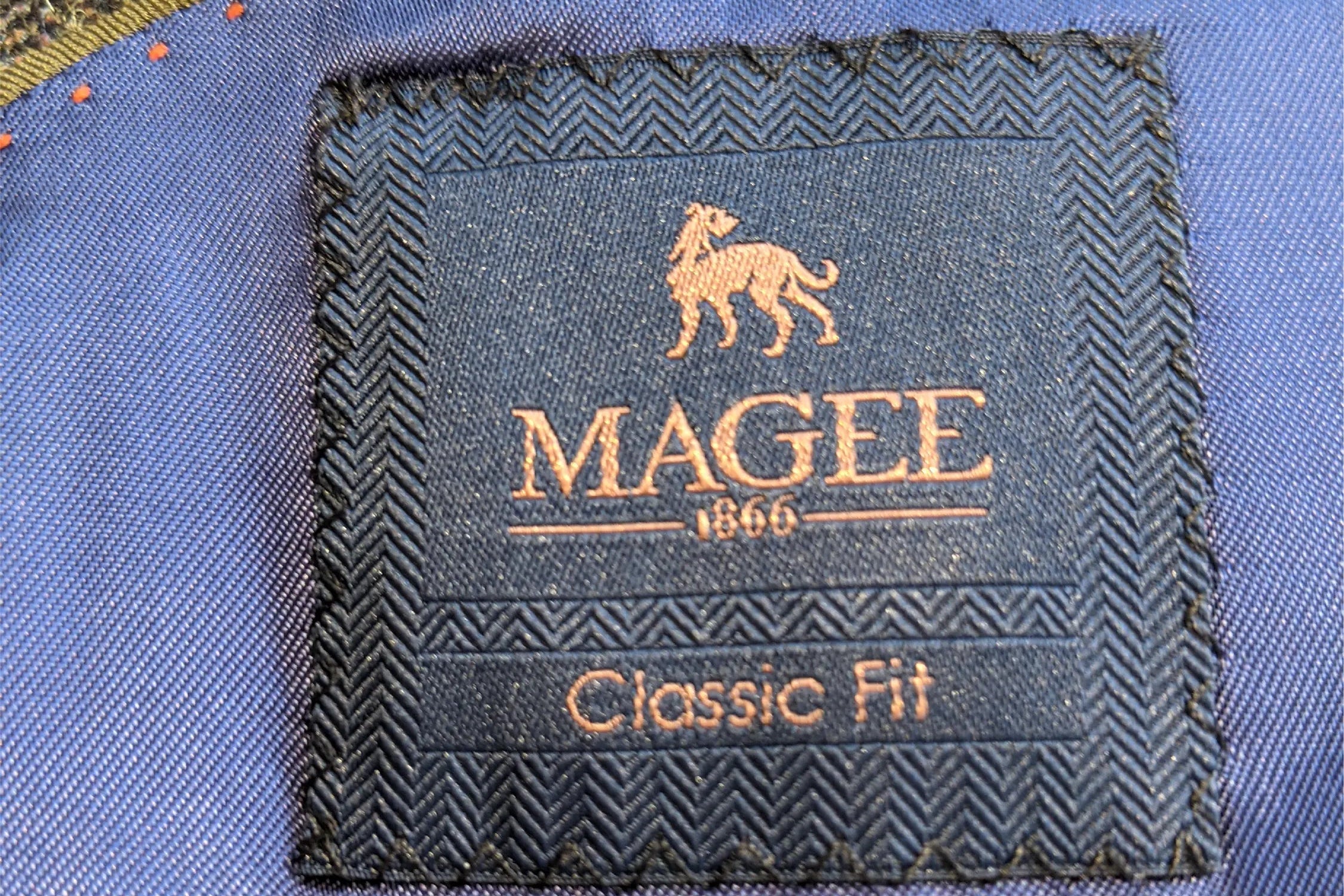
Magee Tweed
Magee Tweed is particularly long-lasting and offers heavy cloths from County Donegal in Ireland, a county steeped in tradition.
Magee Tweed Mill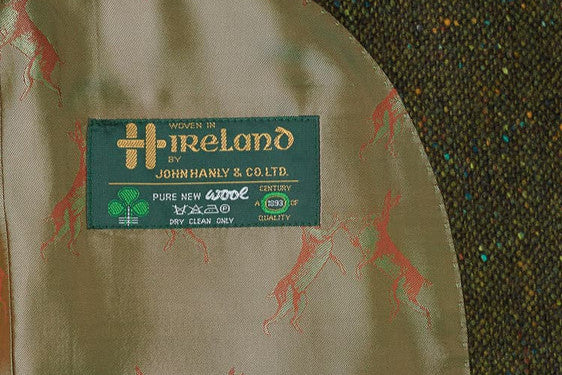
Marling & Evans Tweed
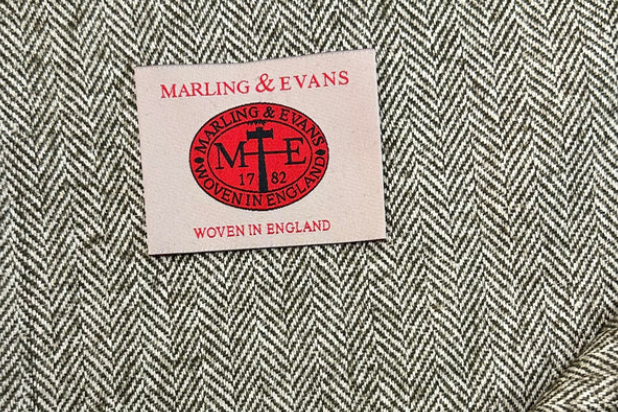
Marling & Evans rightly stresses the distinctive character of its tweeds. Spinning, weaving and finishing all take place in Huddersfield, England.
Marling & Evans Tweed Mill