MOON TWEED
What Is Moon Tweed?
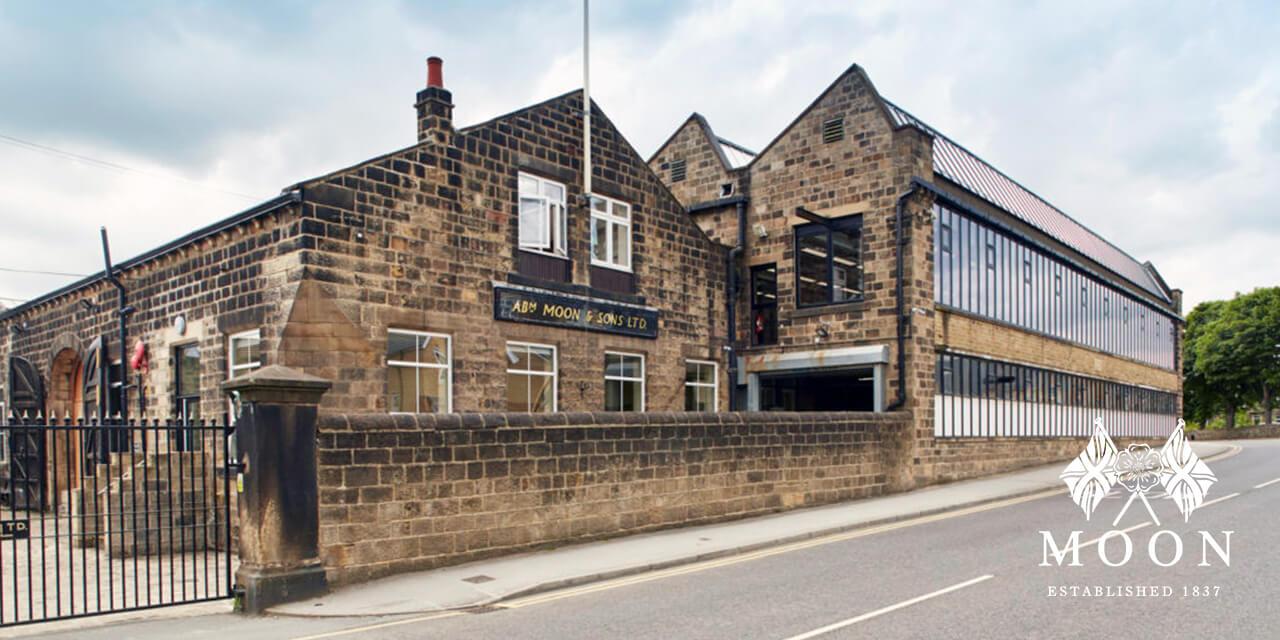
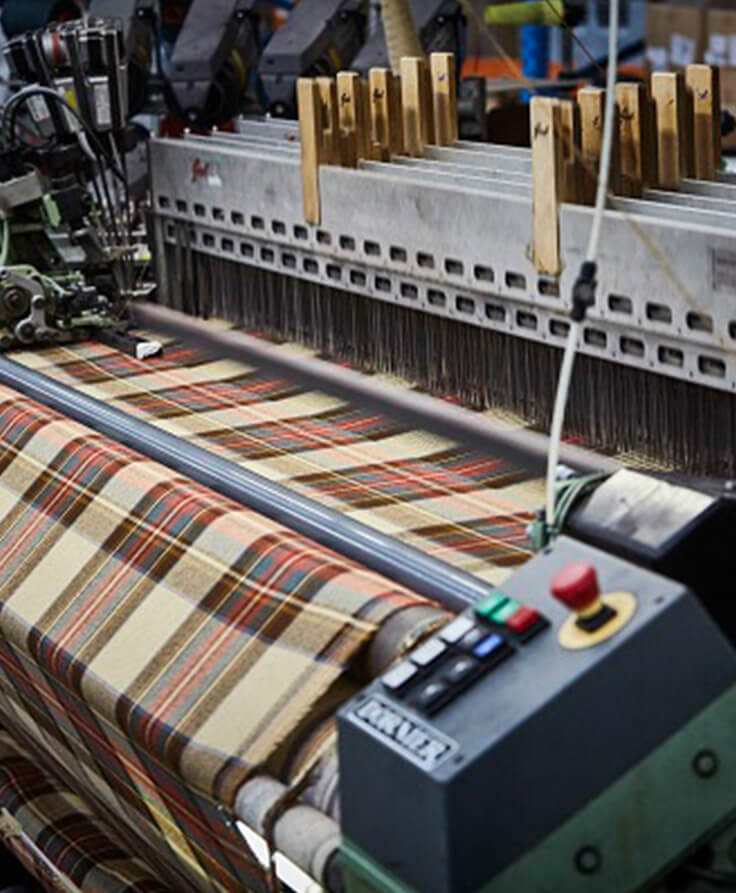
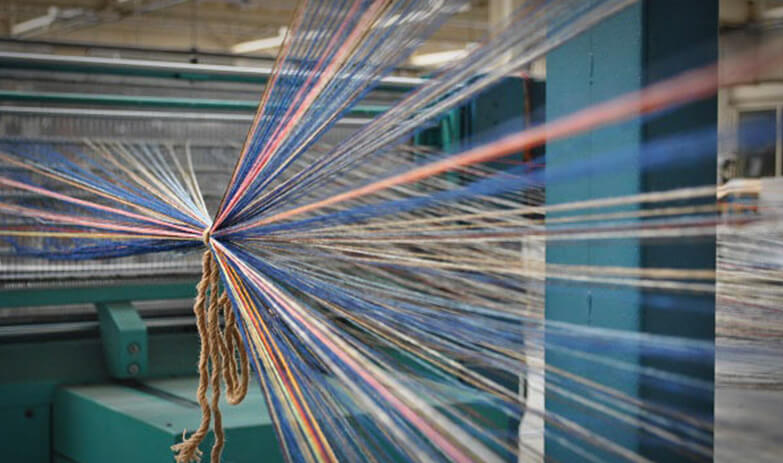
Abraham Moon has stood for tweed of high quality since 1837. Today, Moon is one of the last mills in Great Britain to carry out every stage of the process itself, from processing pure new wool through dyeing, spinning and weaving to the final finish.
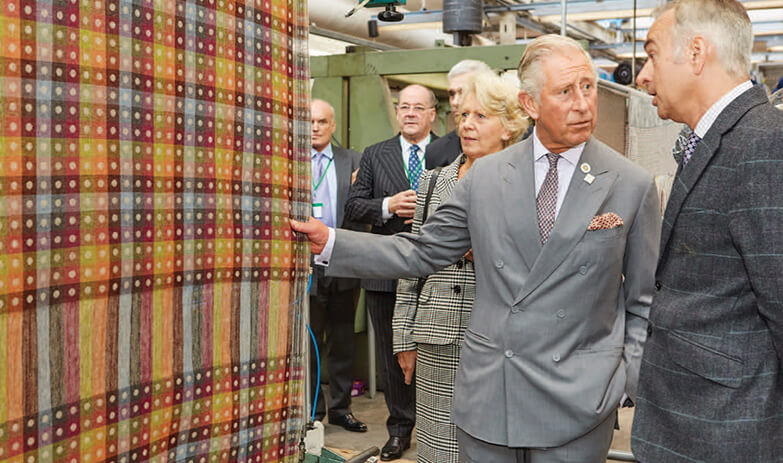
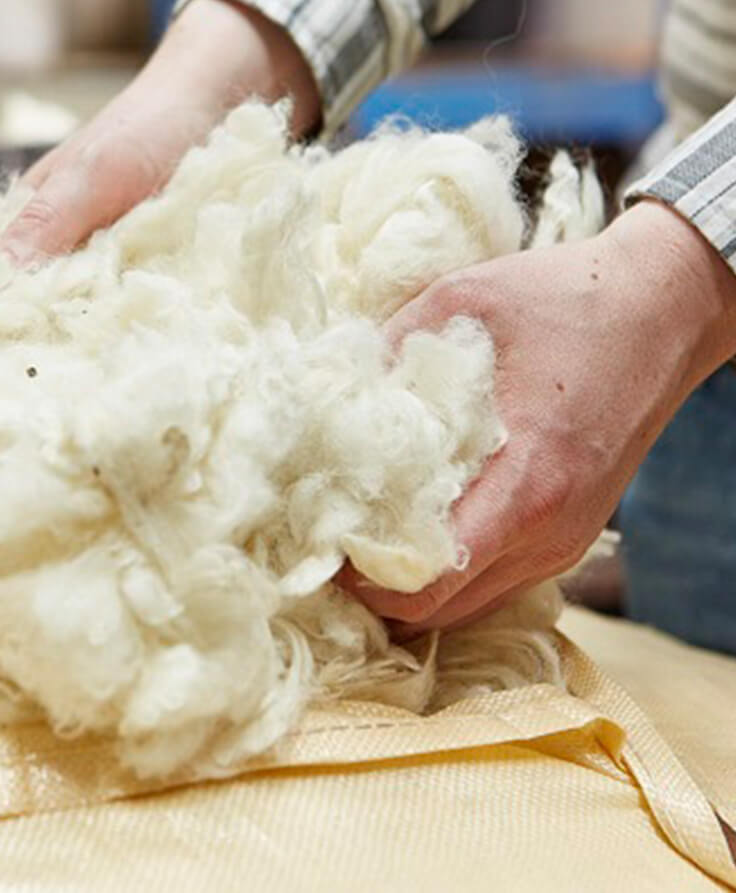
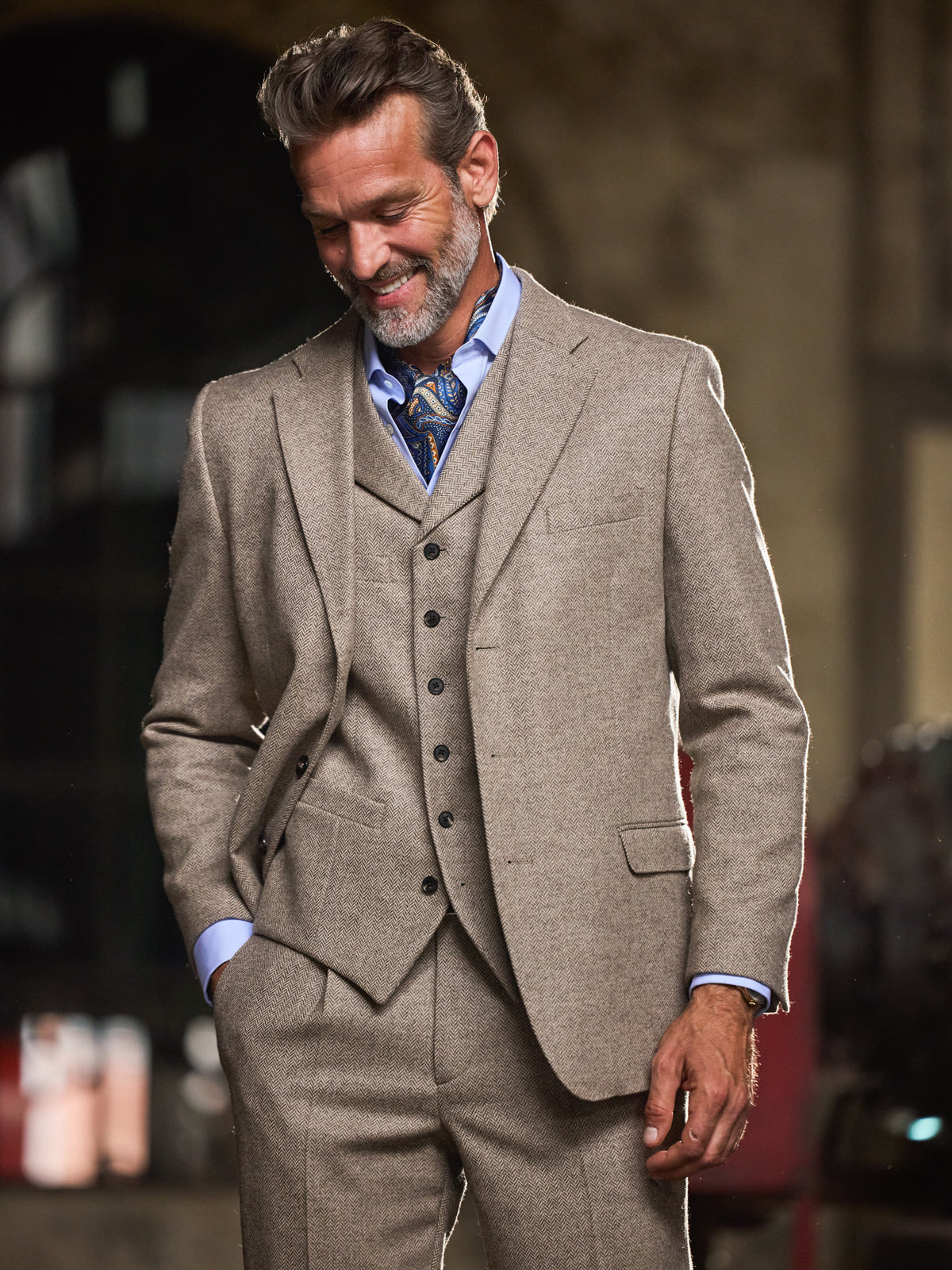
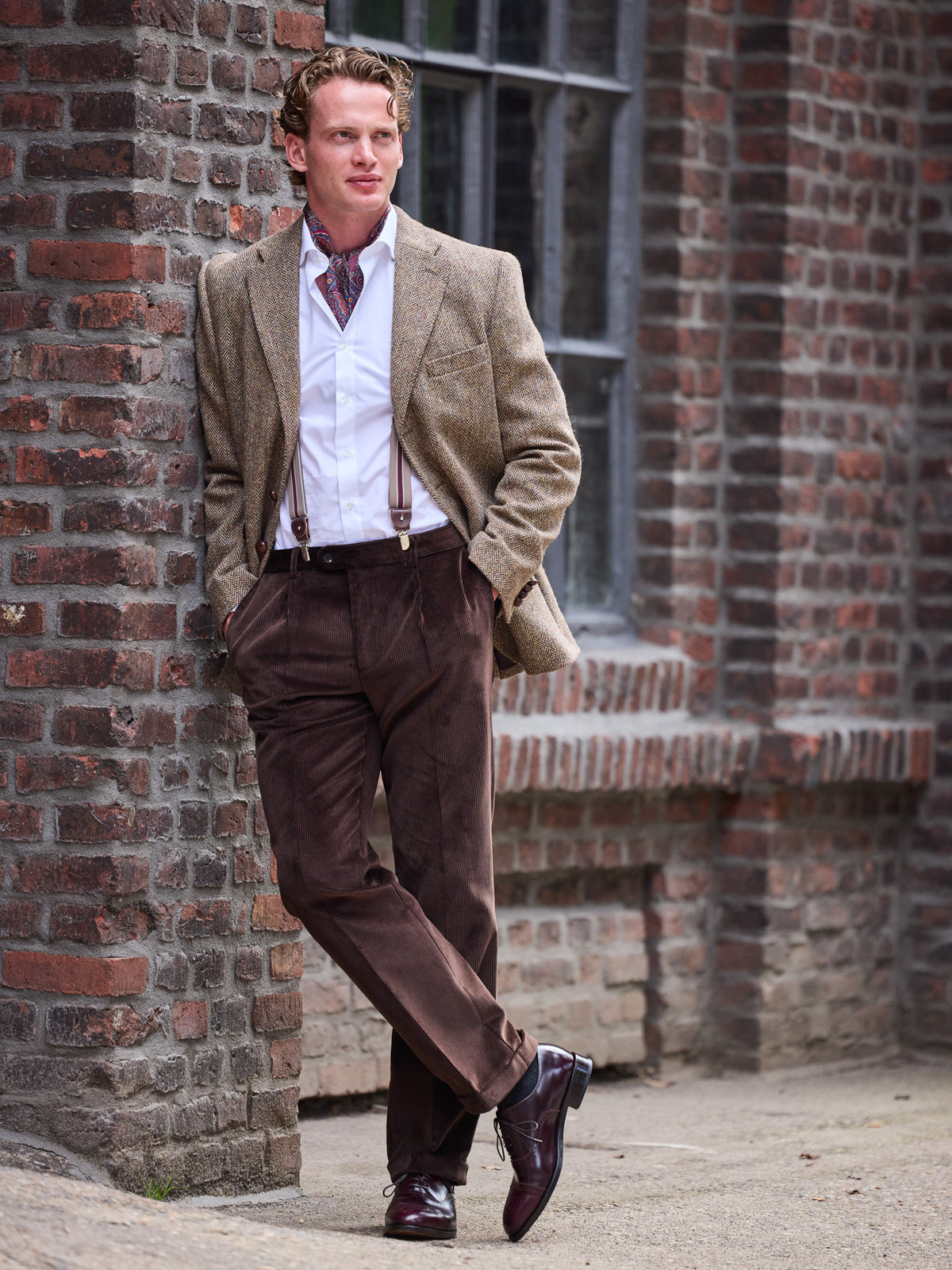
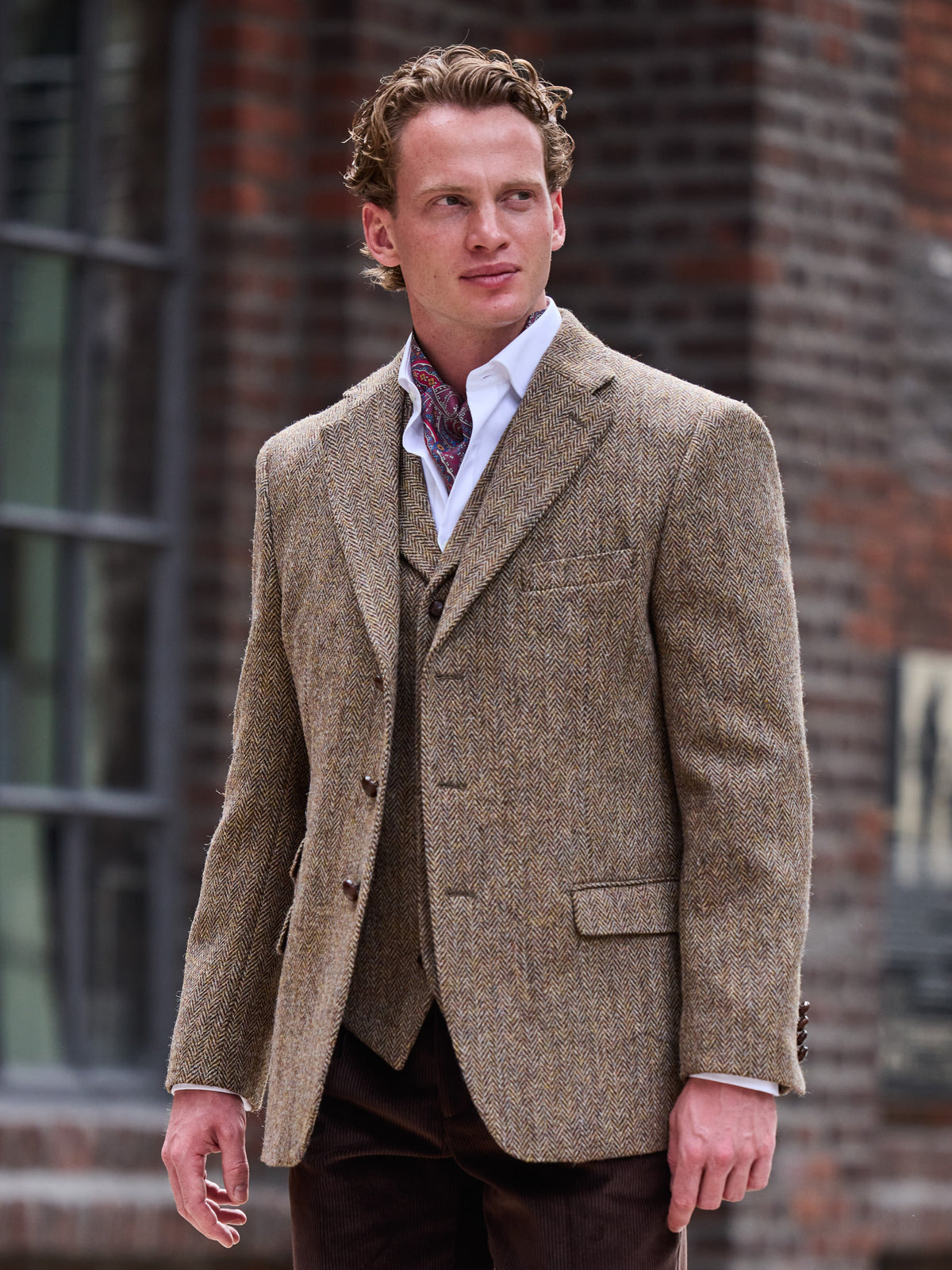
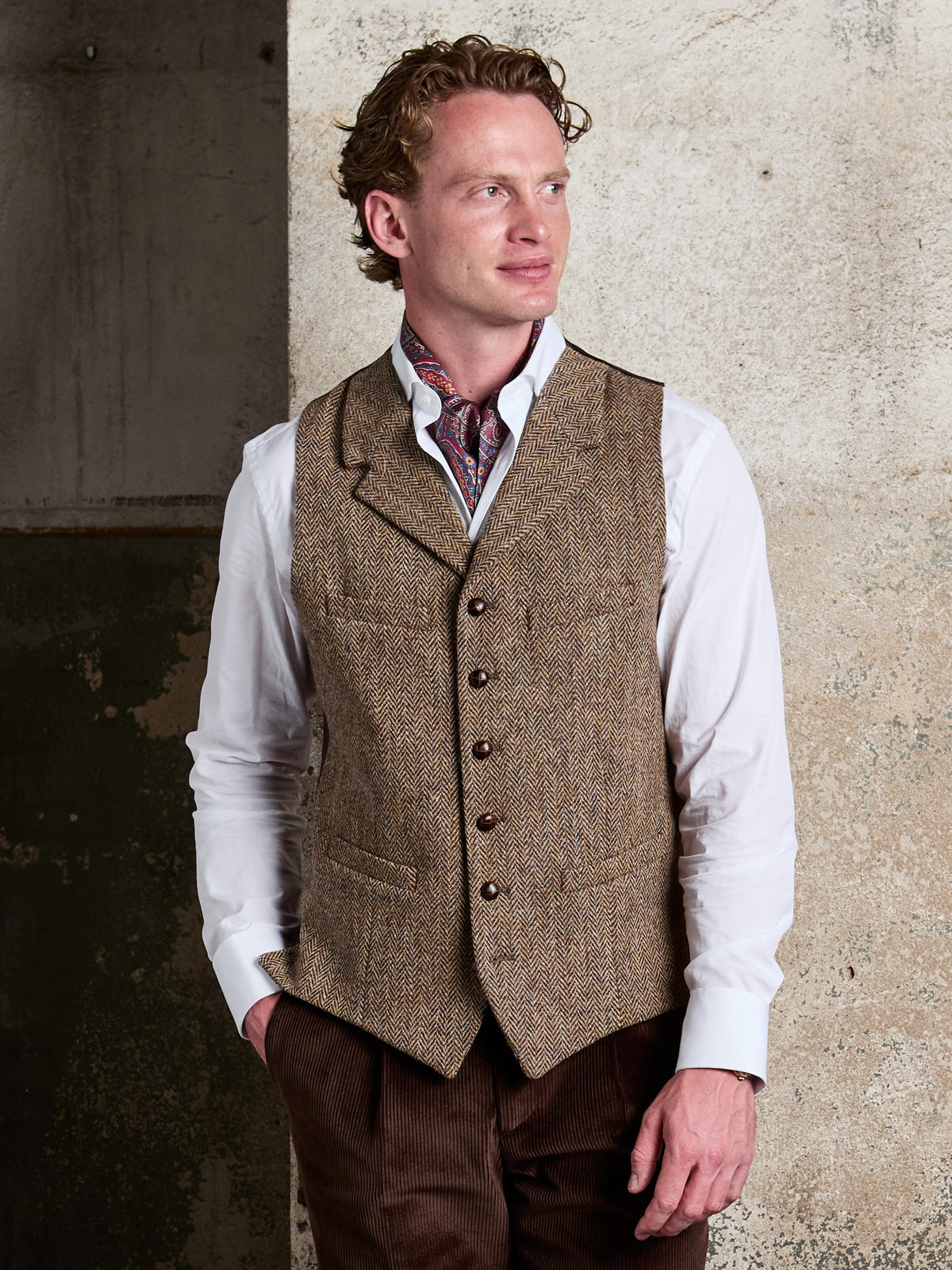
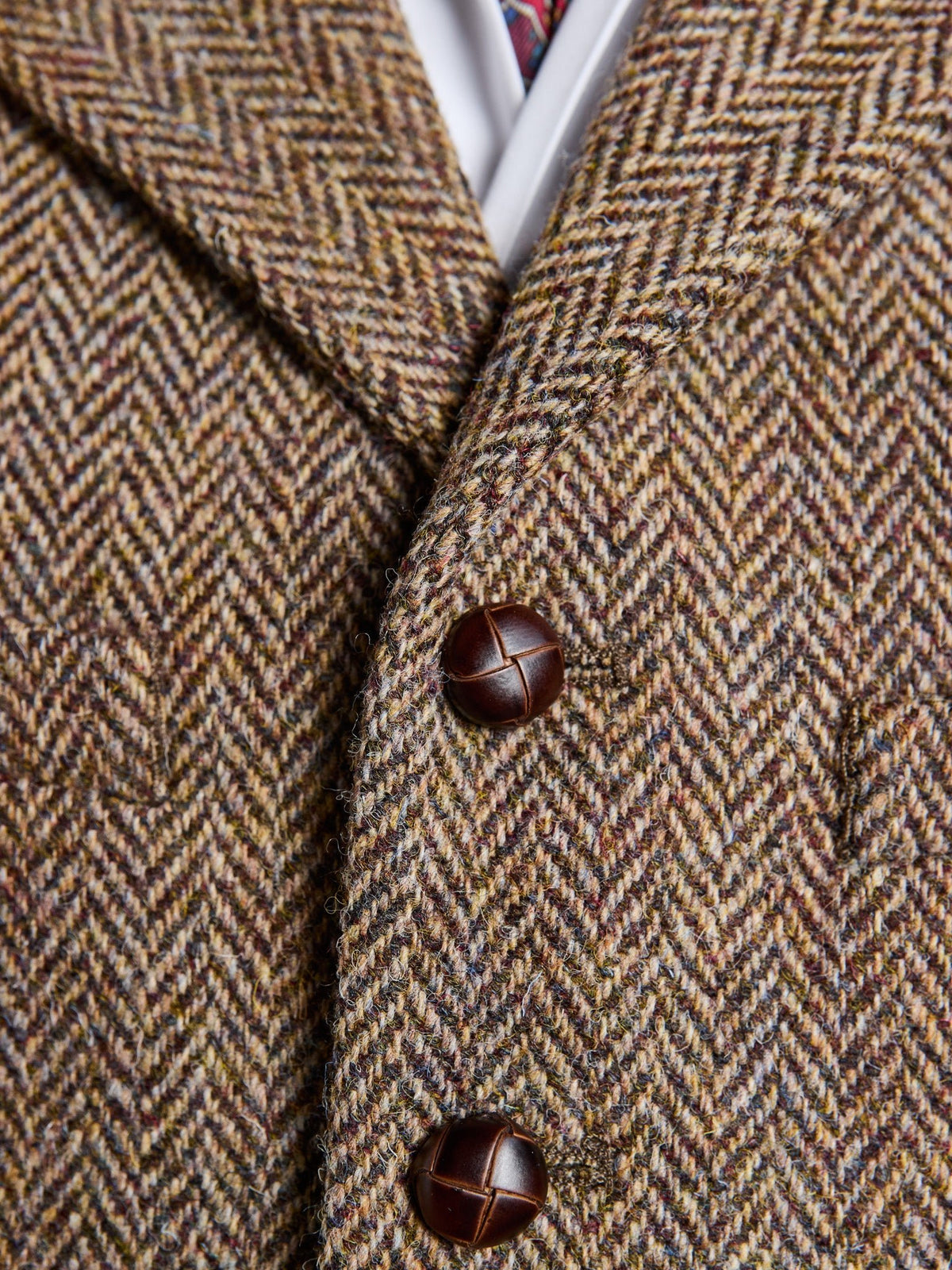
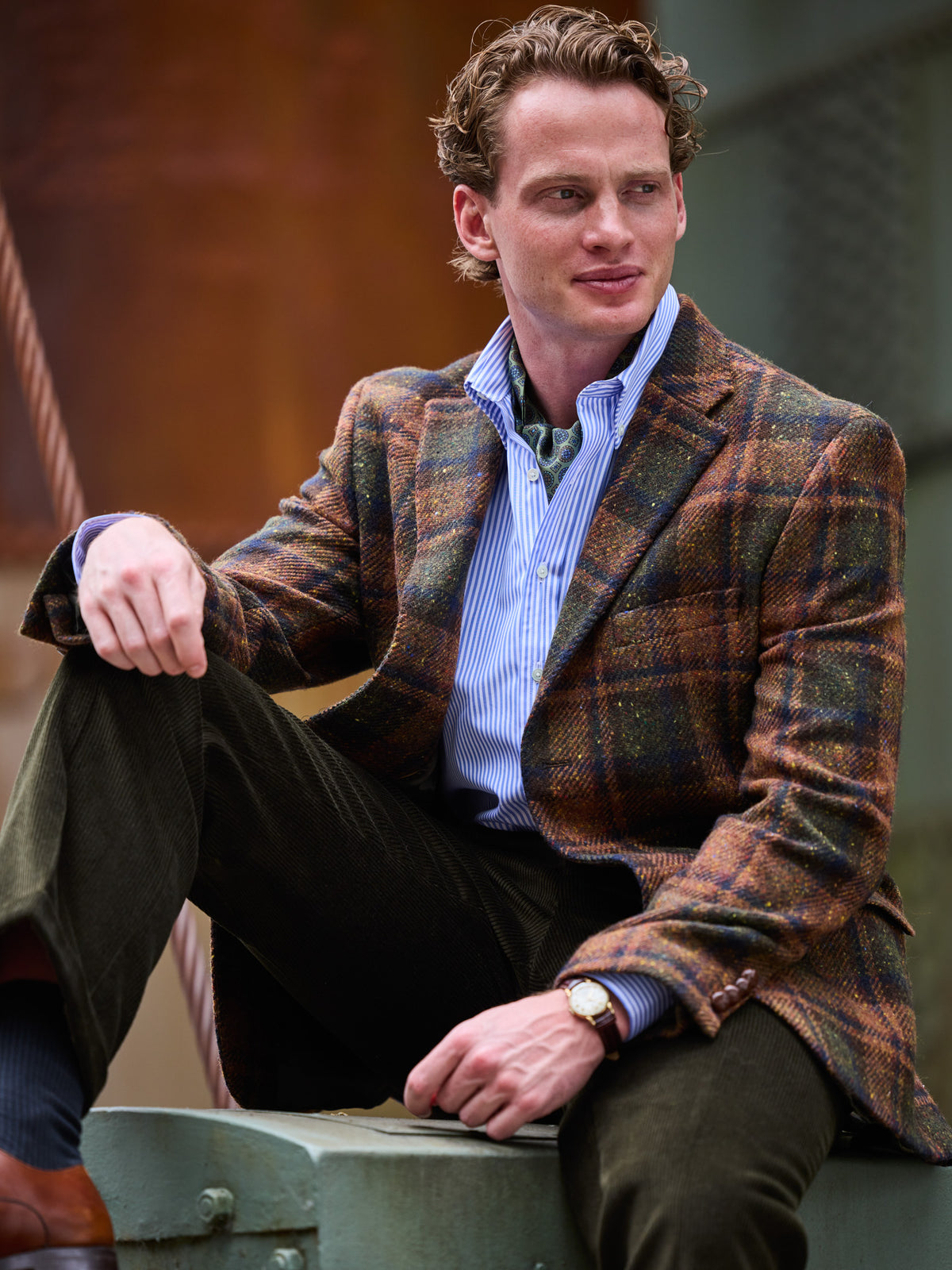
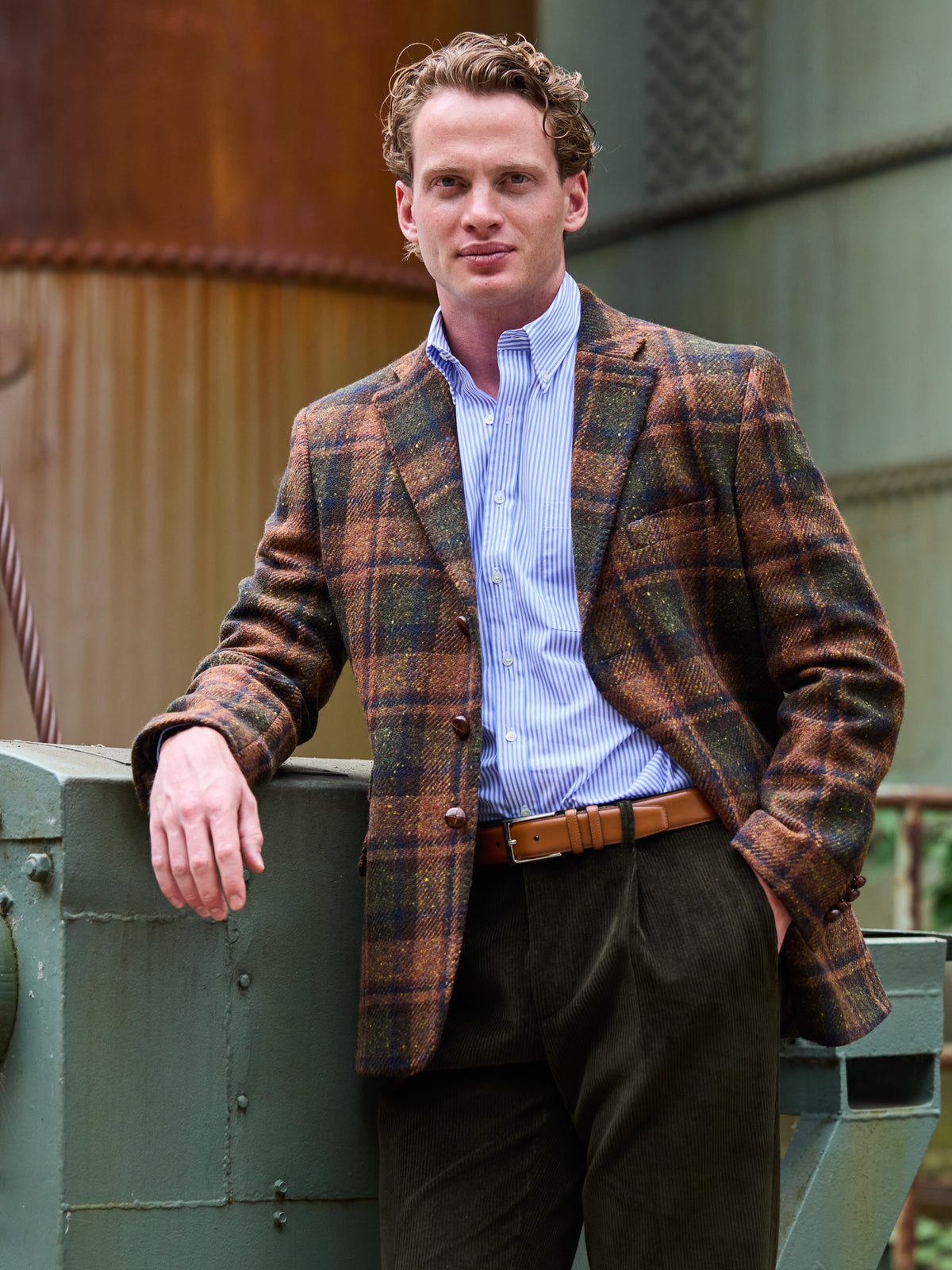
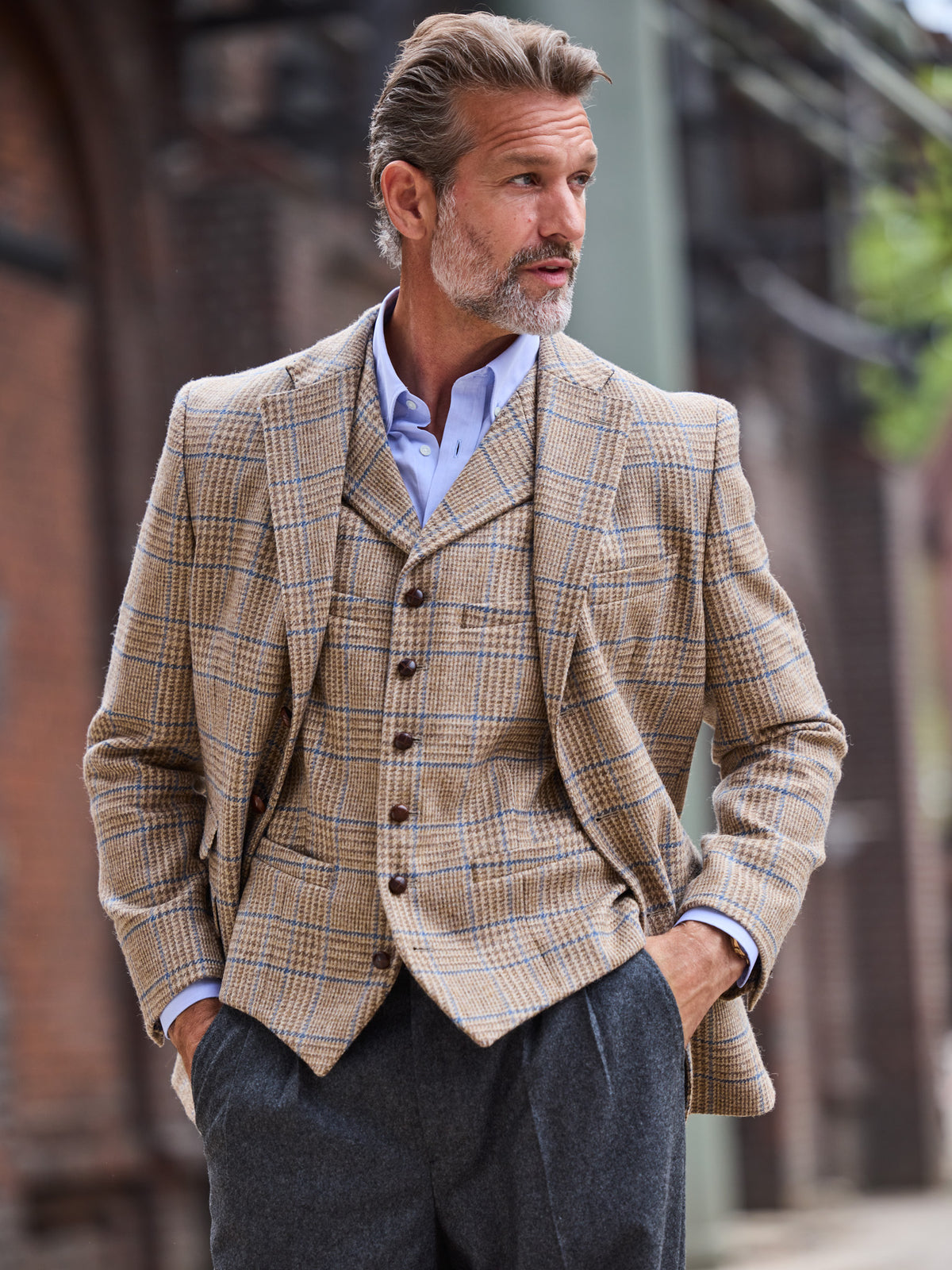
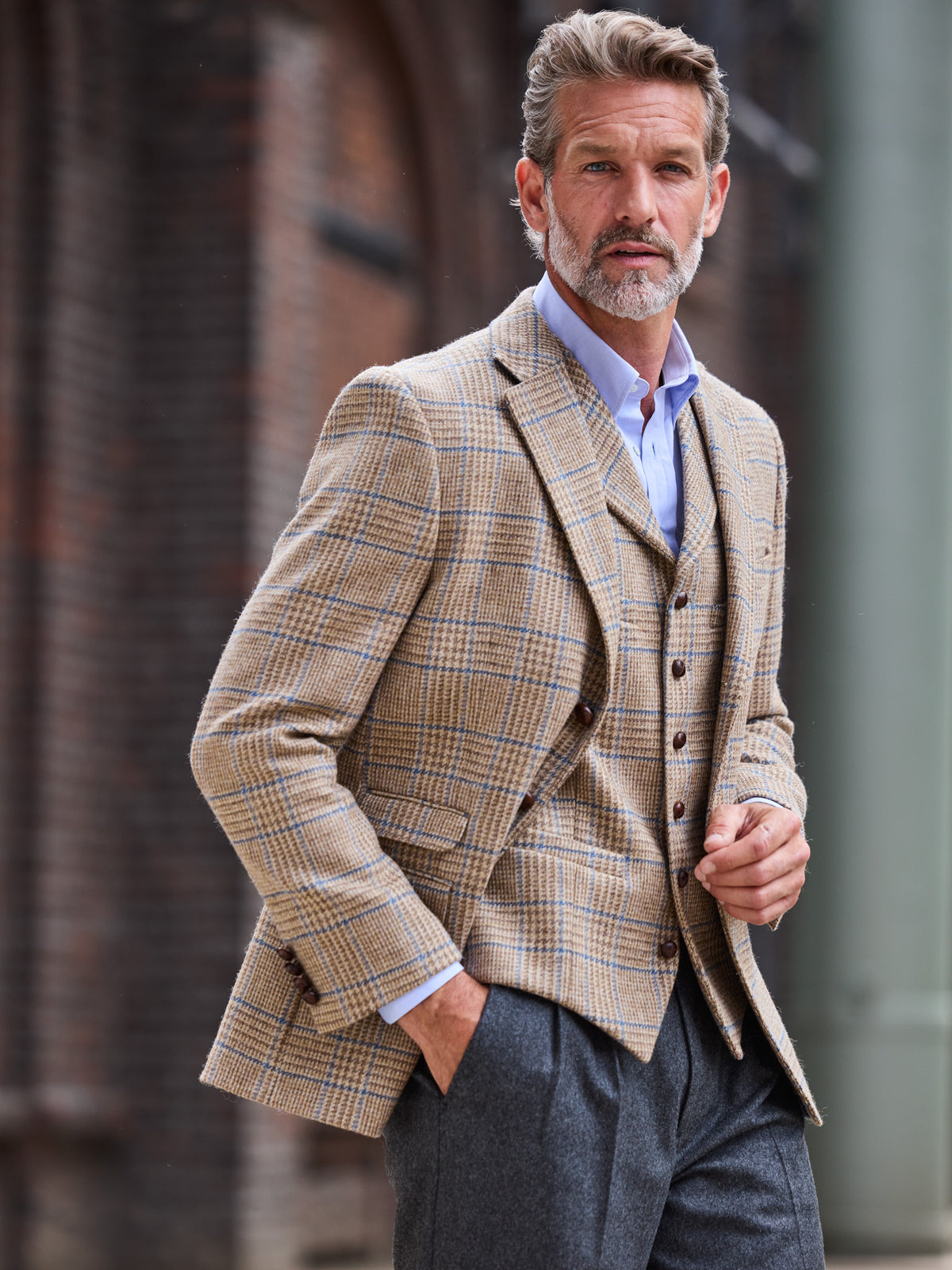
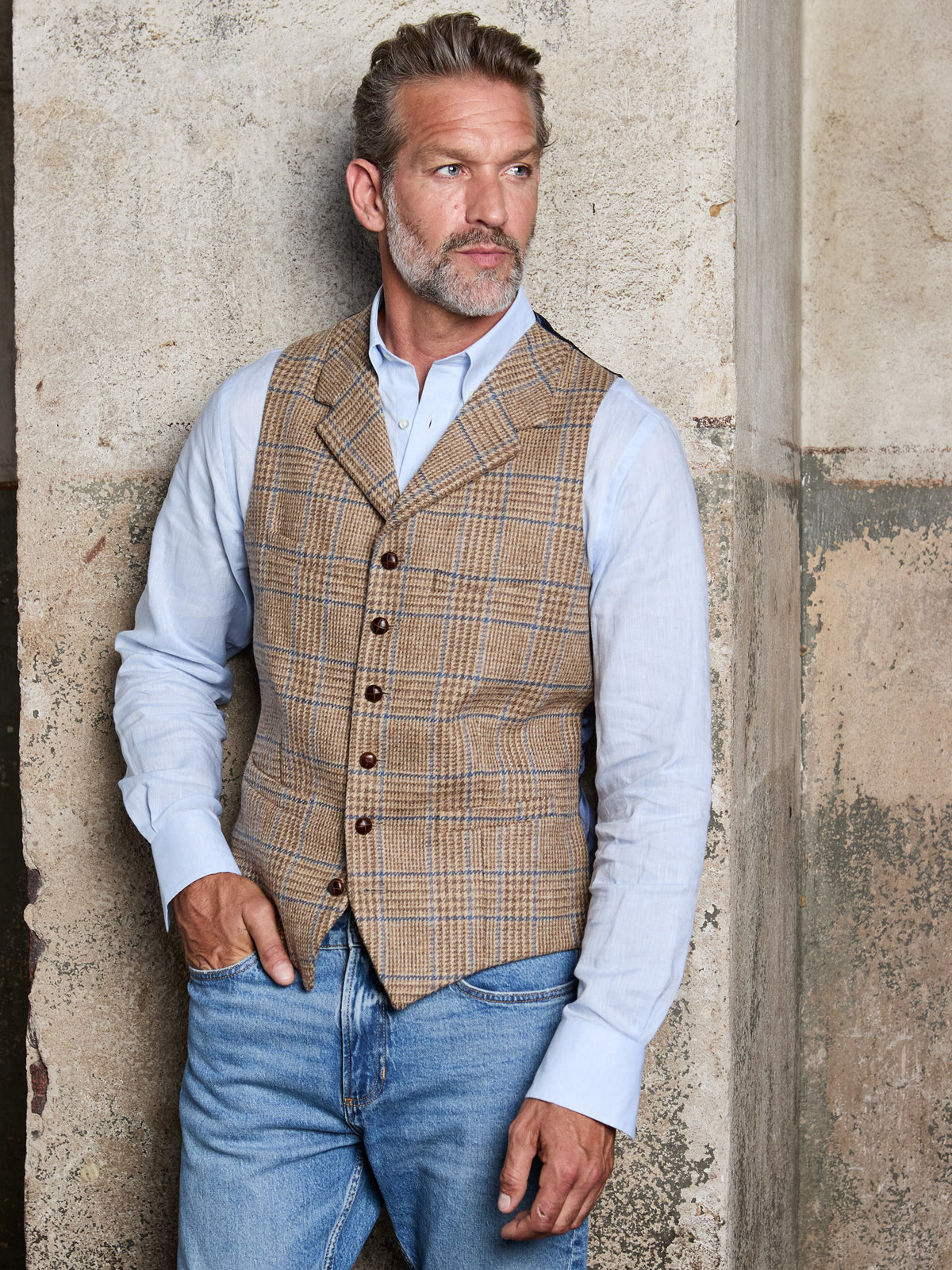
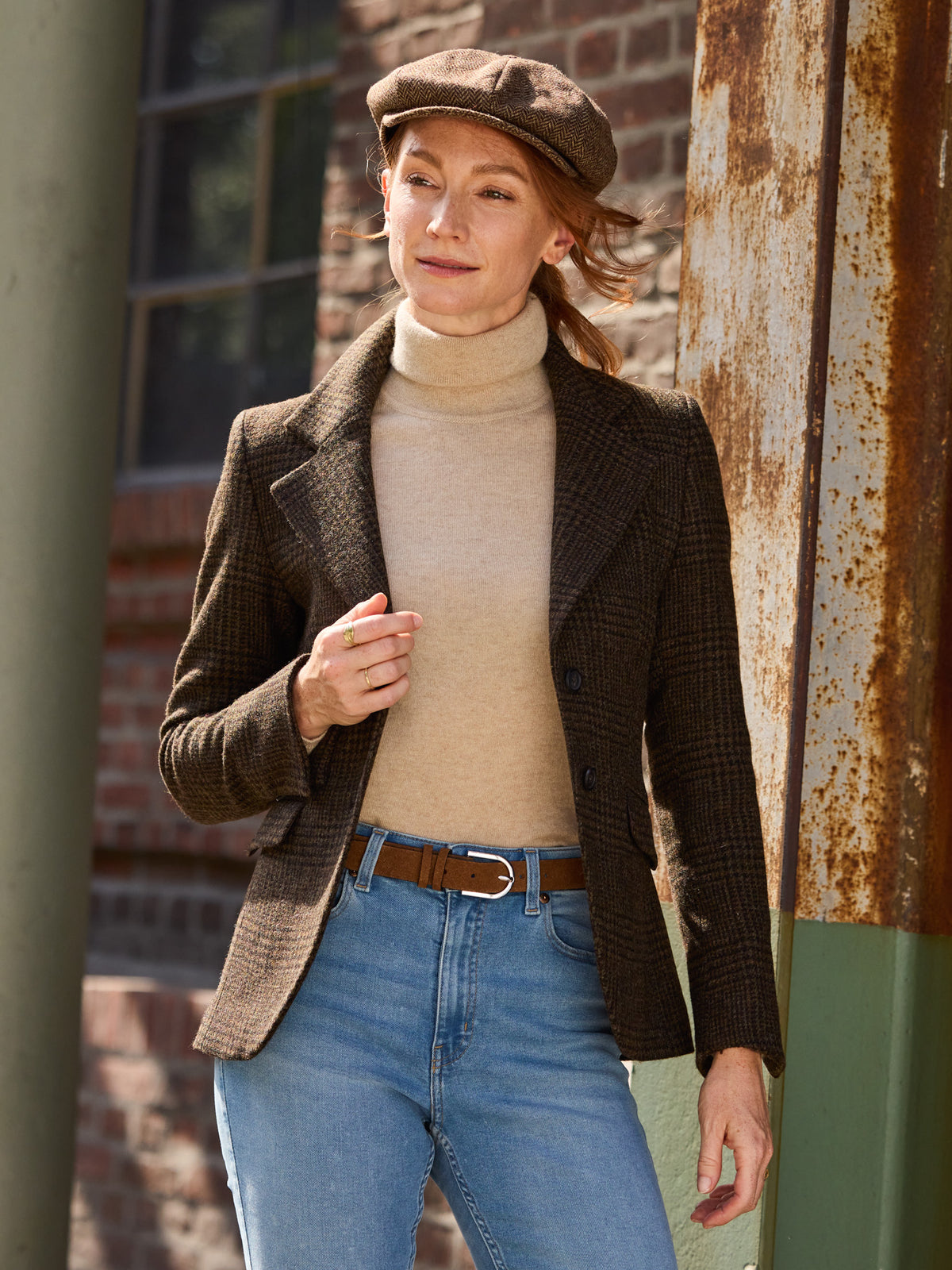
Abraham Moon & Sons takes pride in new, innovative designs while maintaining consistently high standards of quality. Even Prince Charles is an avowed admirer of Moon Tweed. Jackets, waistcoats and coats made from Moon Tweed are particularly pleasant to wear, and the handle of the cloth is given great importance. At John Crocket, Moon Tweed is used in flat caps, tweed suits and women's tweed blazers, among other things.
The Moon Tweed Story
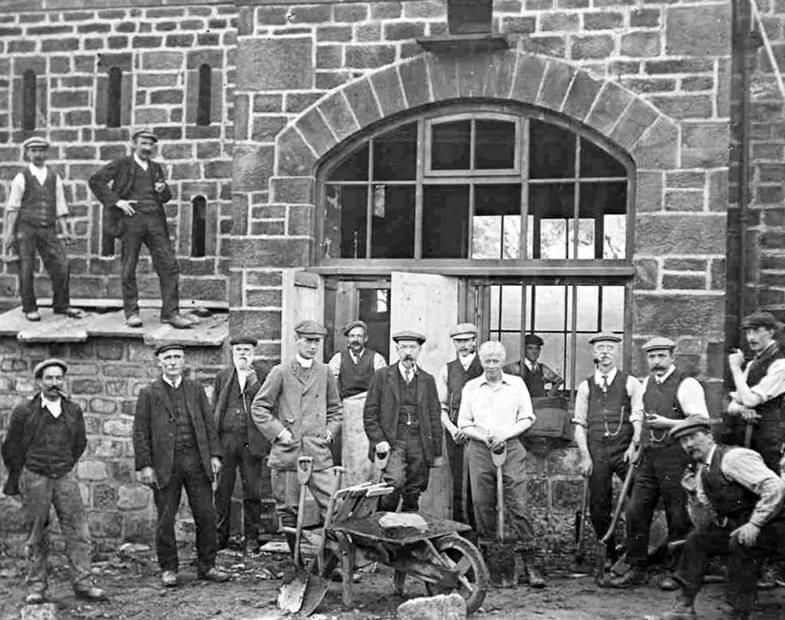
In 1868, Moon built a 3-storey mill building in the centre of the town, on Netherfield Road. The newly built railway line to Leeds ran directly behind the mill. This was a great advantage for deliveries of wool to be processed into tweed cloth and for deliveries of energy in the form of coal. Thanks to the railway, the tweed cloth quickly reached Leeds, London and Southampton, from where it was shipped all over the world. By 1890, Moon Tweed was already being shipped as far as Japan.
In August 1877, Abraham Moon lost his life when his horse shied, bolted in panic and threw him against a wall. The local newspaper reported that the horse survived the tragic accident.
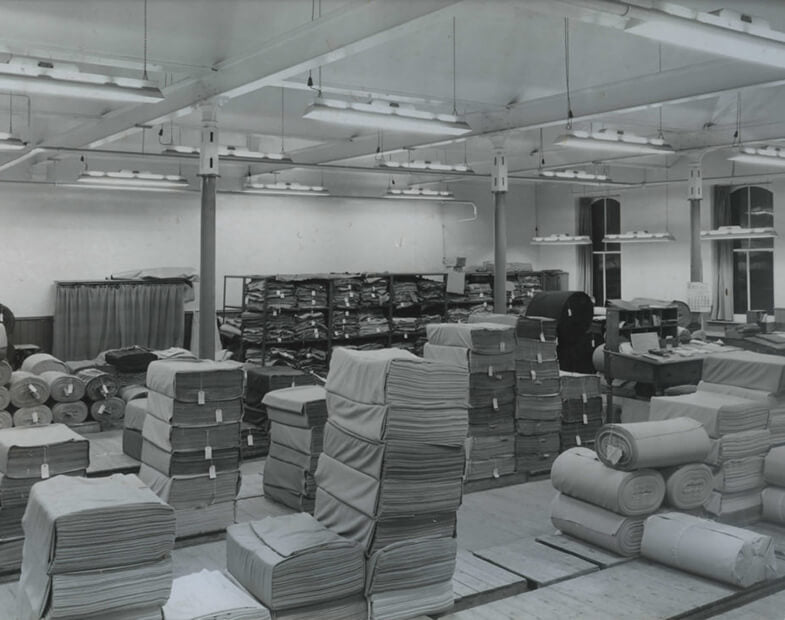
His son Isaac then took over the running of the tweed mill. In 1902, the mill burnt down to its foundations, and Isaac took the opportunity to reorganise tweed production completely. He built a considerably larger, single-storey tweed mill in which all the stages of tweed production, such as dyeing, blending, spinning, weaving and washing, were carried out one directly after another. This mill still stands today.
Moon's Historic Tweed Books
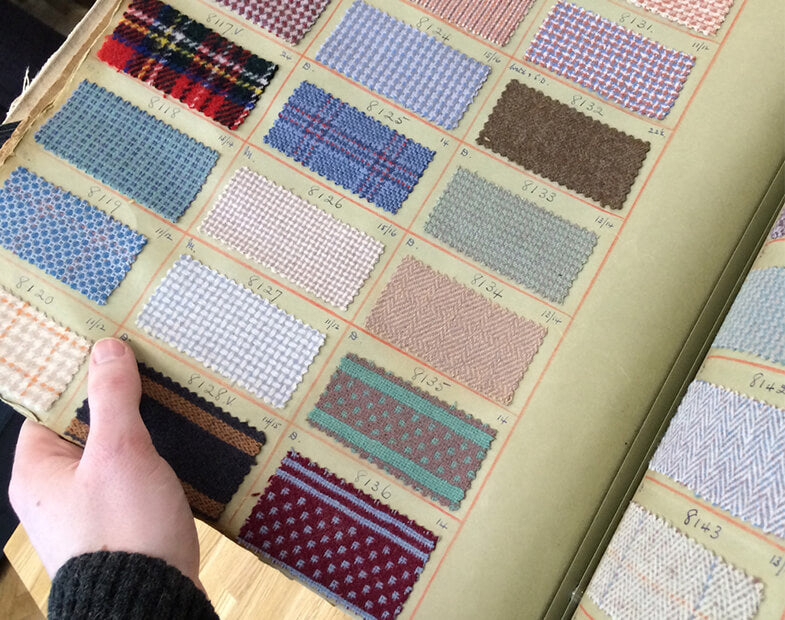
The fabric books, in which every cloth woven is recorded, date back to 1904, when the new tweed mill resumed operation after the fire. These books are a record of their time and show not only changing fashions but also the tweed cloths supplied to the army during the wars. They still serve as inspiration for tweed designs today. Moon's Heritage Collection therefore includes not only lambswool and Shetland tweed but also cloths such as Airforce Blue, British Army Greatcoat and Cavalry Twill, through to Cricket Striped Blazer.
On 2 July 1909, one day after England's heavy cricket defeat by Australia, Isaac Moon fell ill, and he died shortly afterwards. The press claimed that the defeat had caused his death. The Moon family then sold the mill to their tweed designer and manager, Charles Walsh. He borrowed what was then the enormous sum of £33,000.00 and, owing to the rapid growth of the mill, was able to repay it within four years. The Walsh family now runs the mill successfully in the fourth generation, and it is the last of seven tweed mills in the town of Guiseley.
A Video about Moon Tweed
Tweed at John Crocket

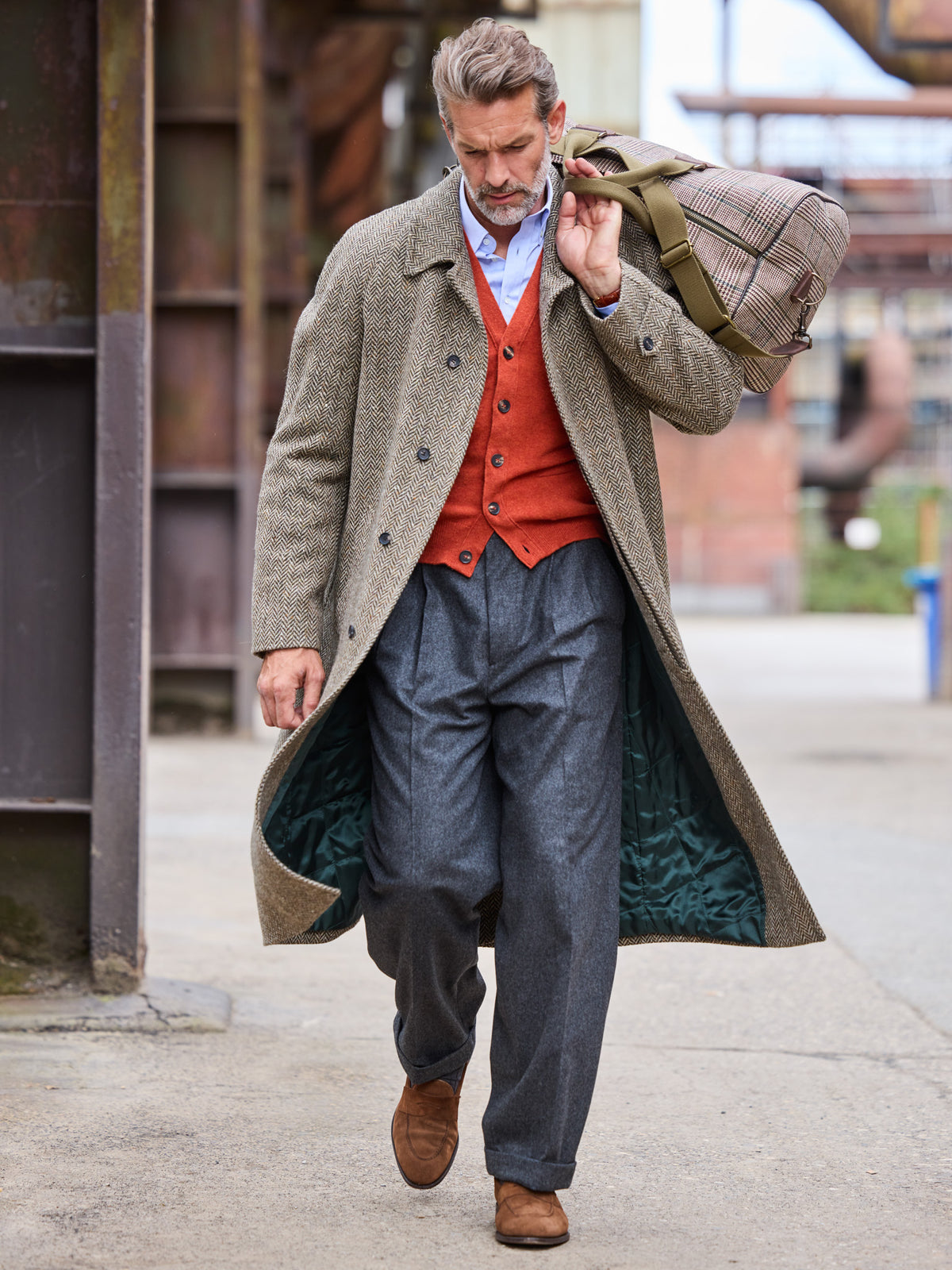
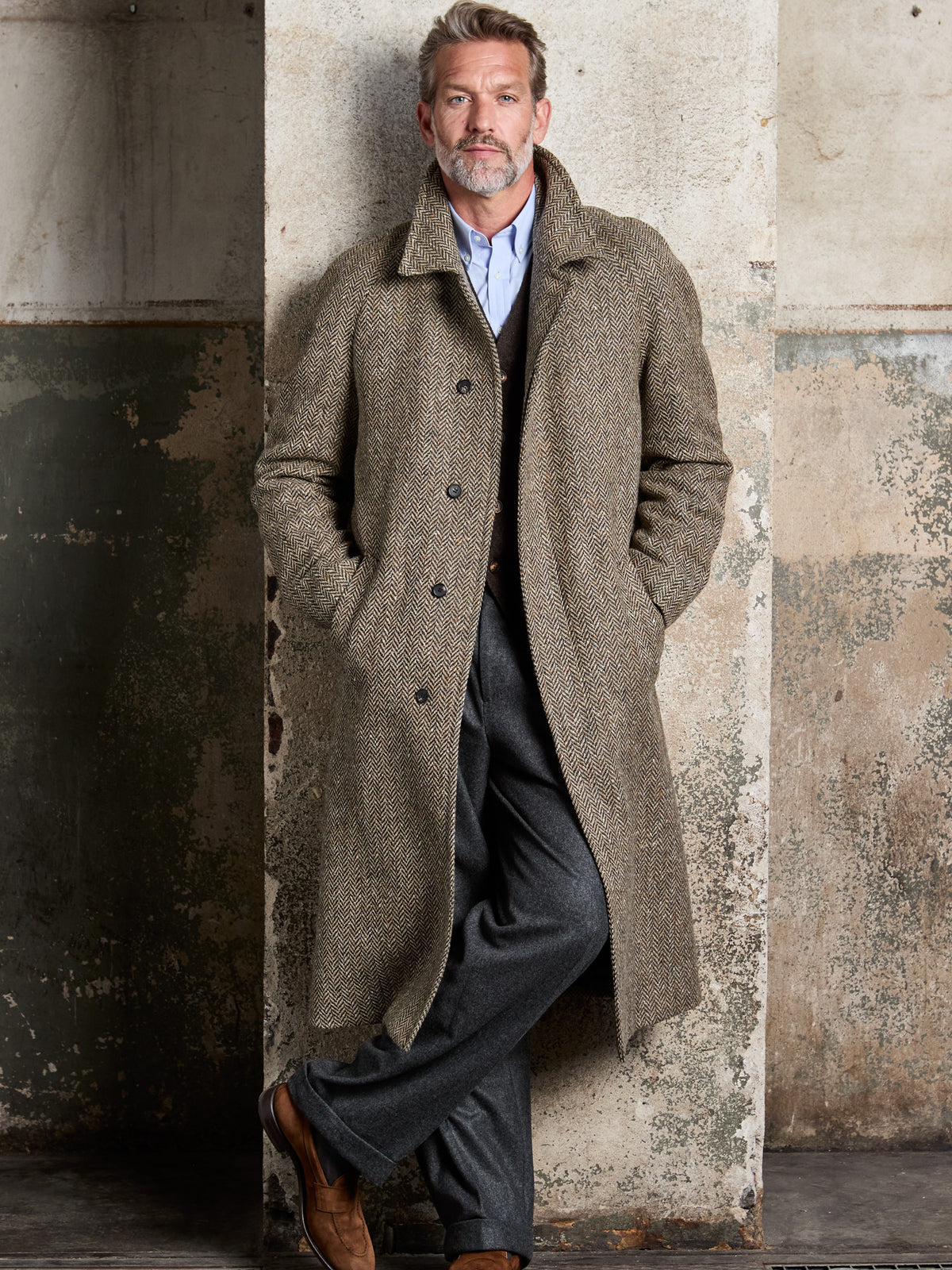
Our Tweed Mills
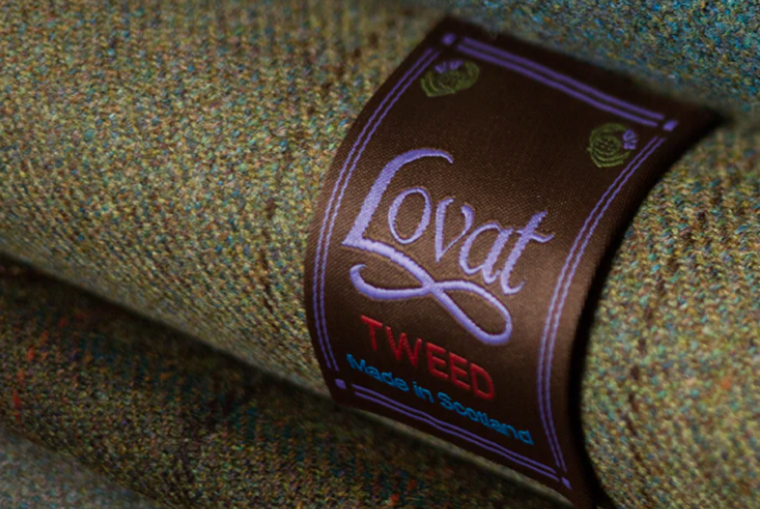
Lovat Tweed
Lovat Tweed keeps you warm and is very resilient, even in damp conditions. Its colourways recall the Scottish landscape.
Lovat Tweed Mill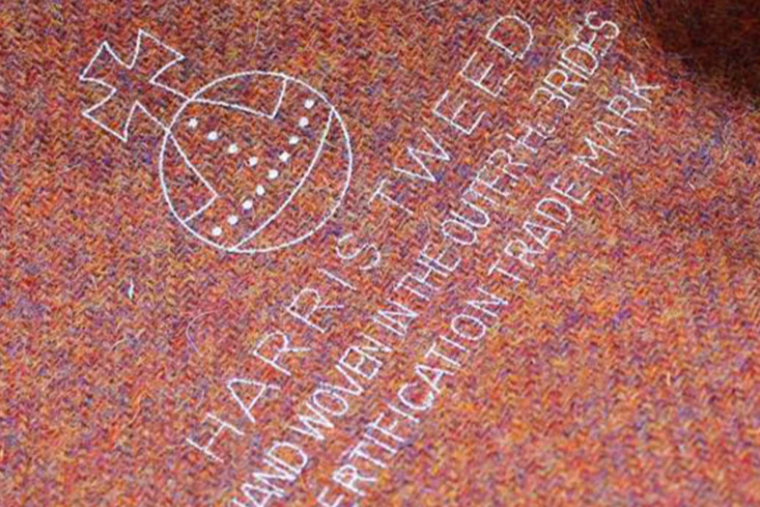
Harris Tweed
Harris Tweed is particularly hard-wearing, comes in distinctive colours and combines well with other fabrics.
Harris Tweed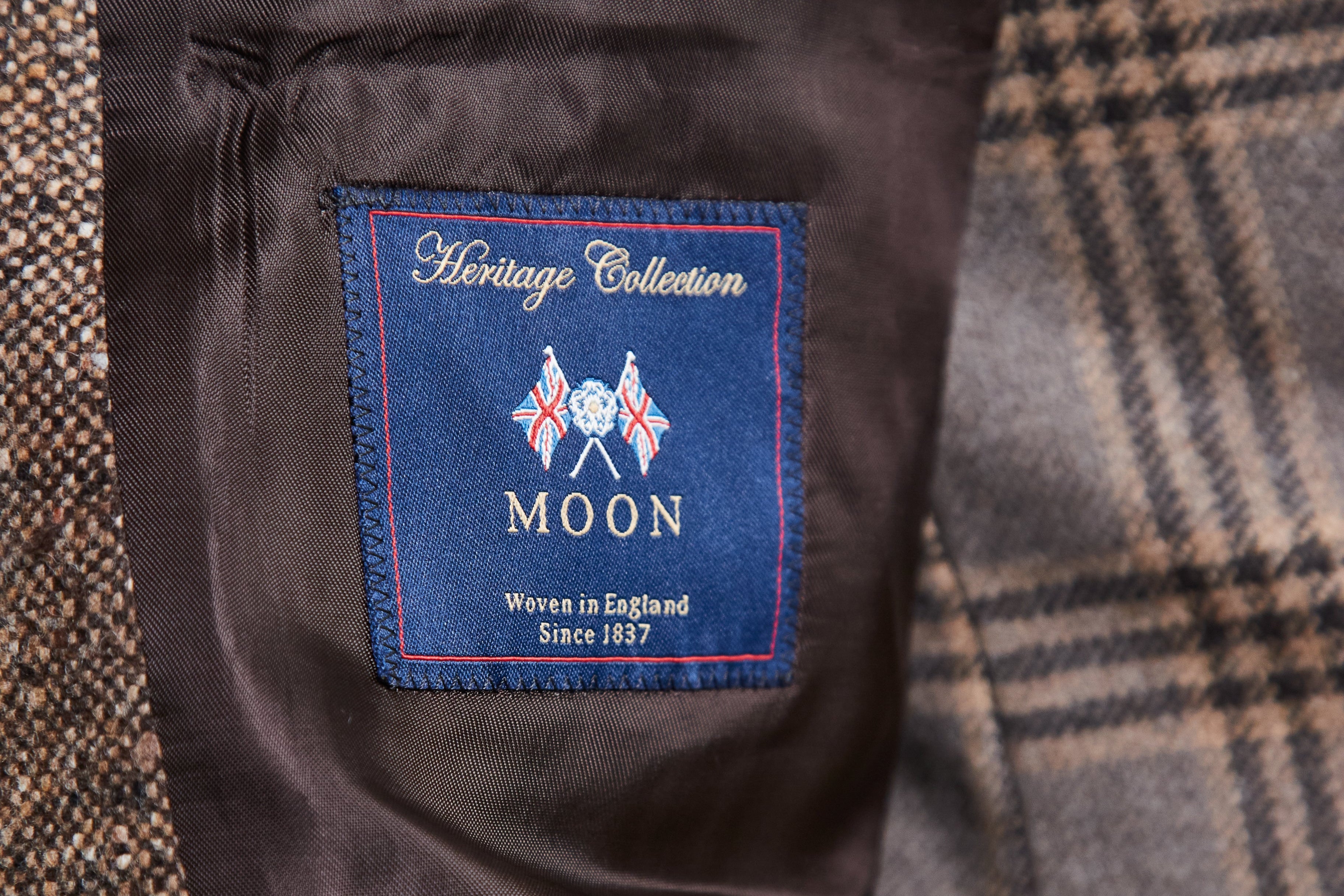
Moon Tweed
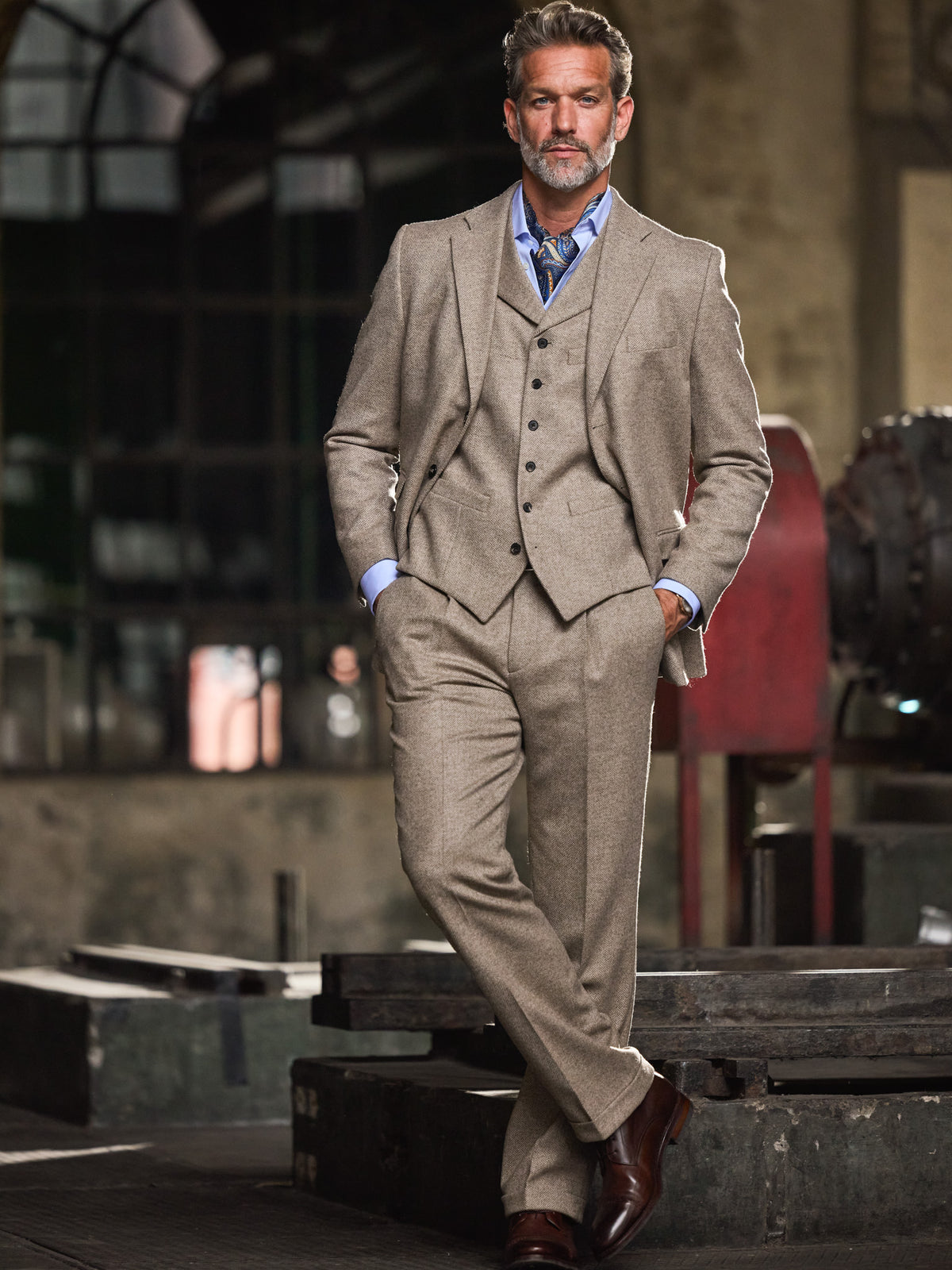
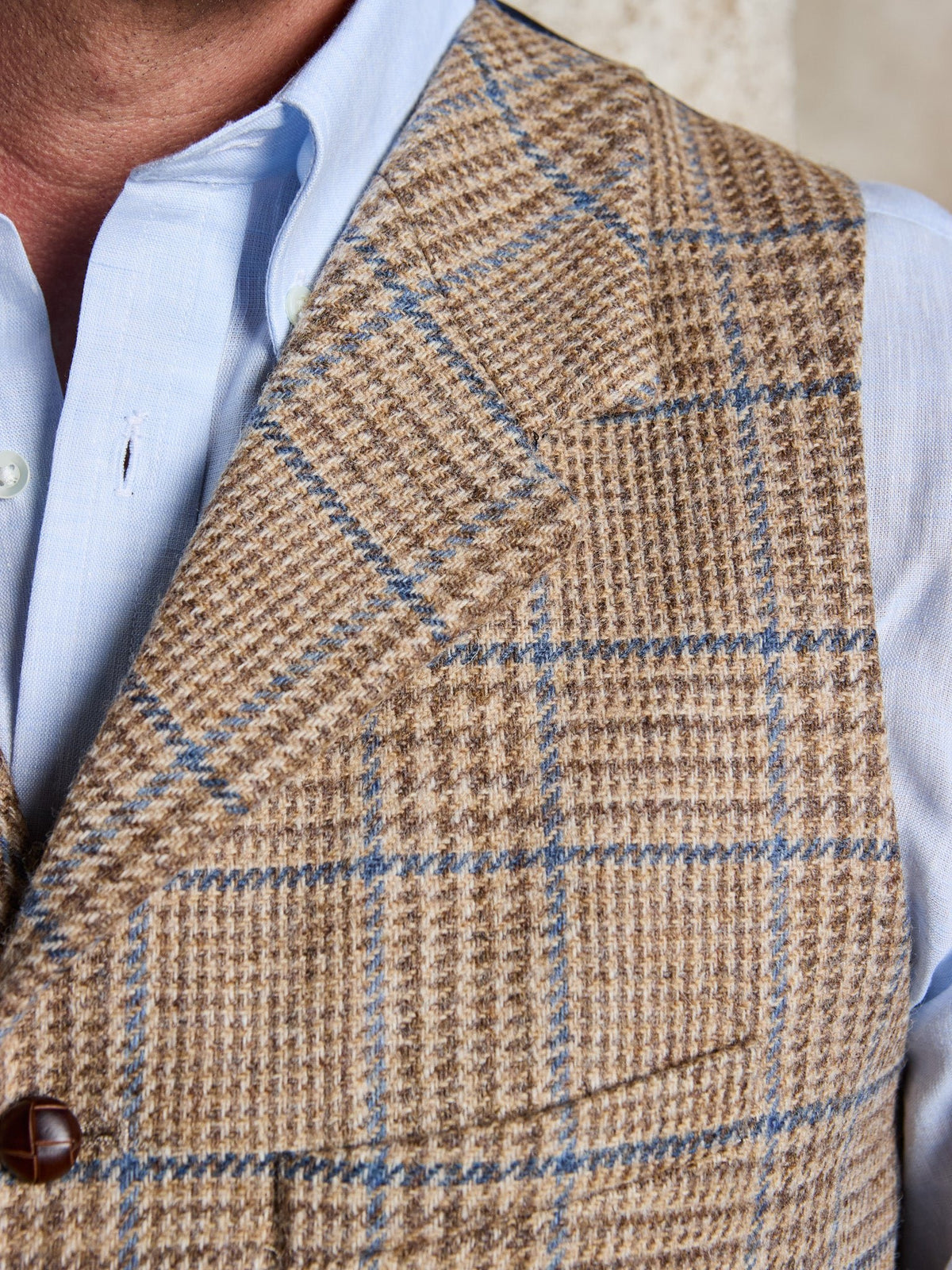
Moon Tweed has a particularly pleasant handle, is comfortable to wear and keeps you warm even in cool weather.
Moon Tweed Mill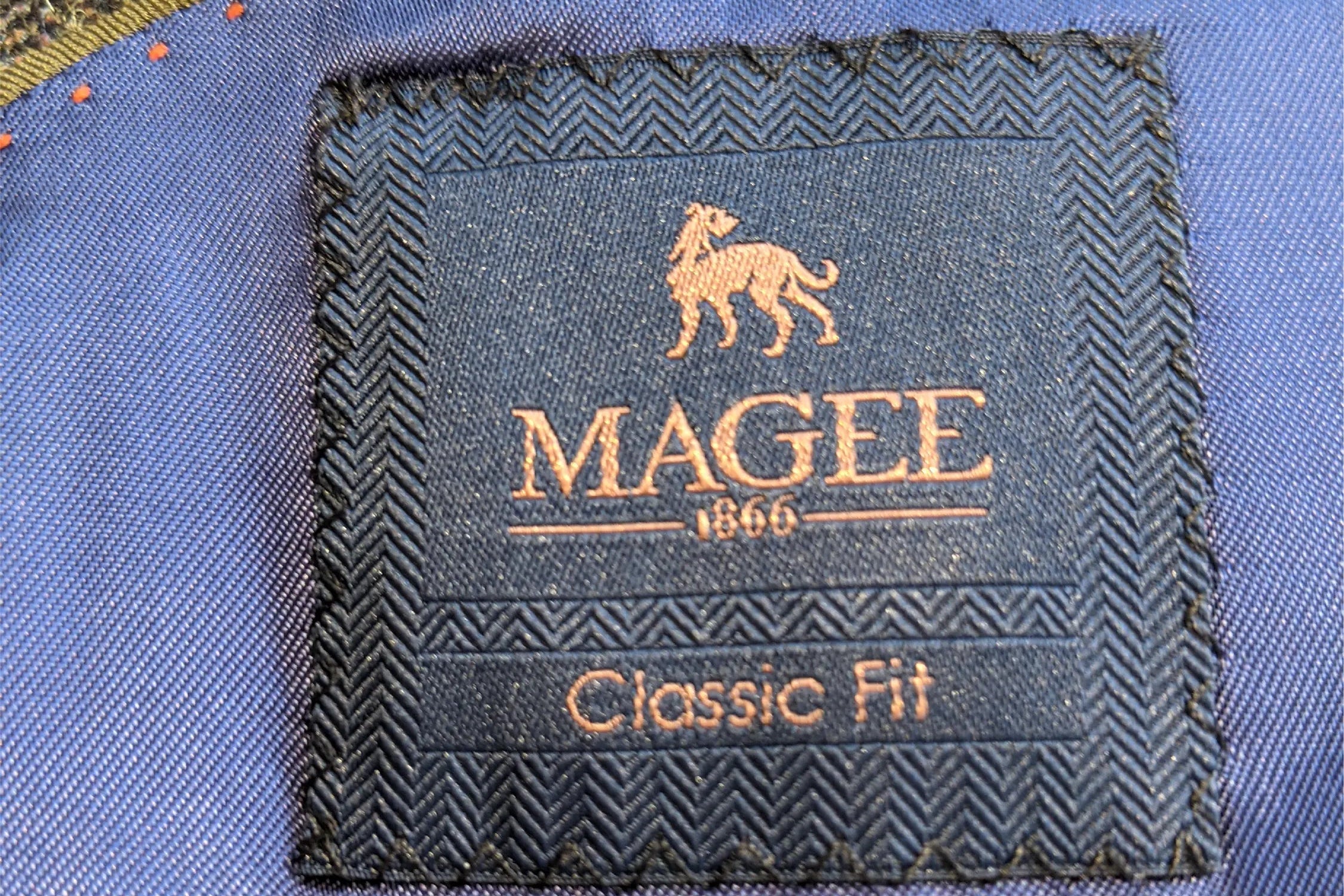
Magee Tweed
Magee Tweed is particularly long-lasting, with heavy cloths from County Donegal in Ireland.
Magee Tweed Mill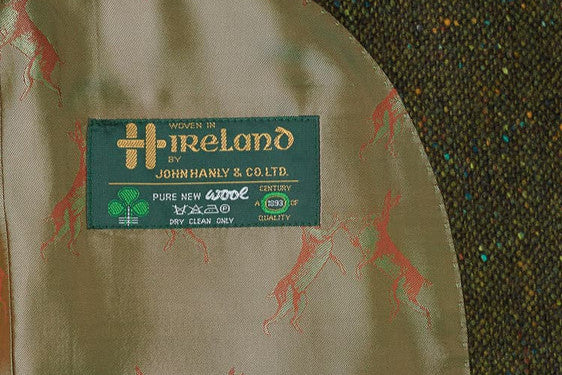
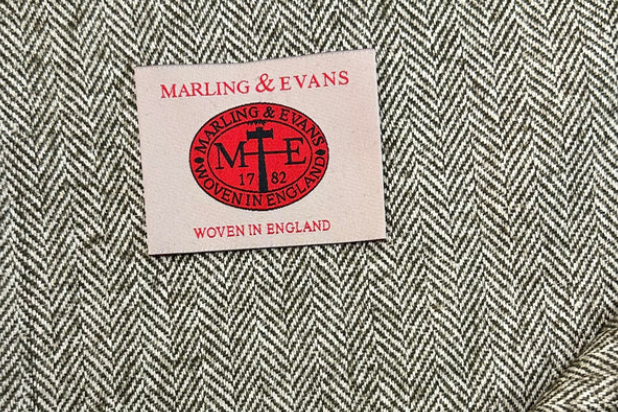
Marling & Evans Tweed
Marling & Evans emphasises the distinctive character of its tweed cloths. Spinning, weaving and finishing are all based in Huddersfield, England.
Marling & Evans Tweed Mill